




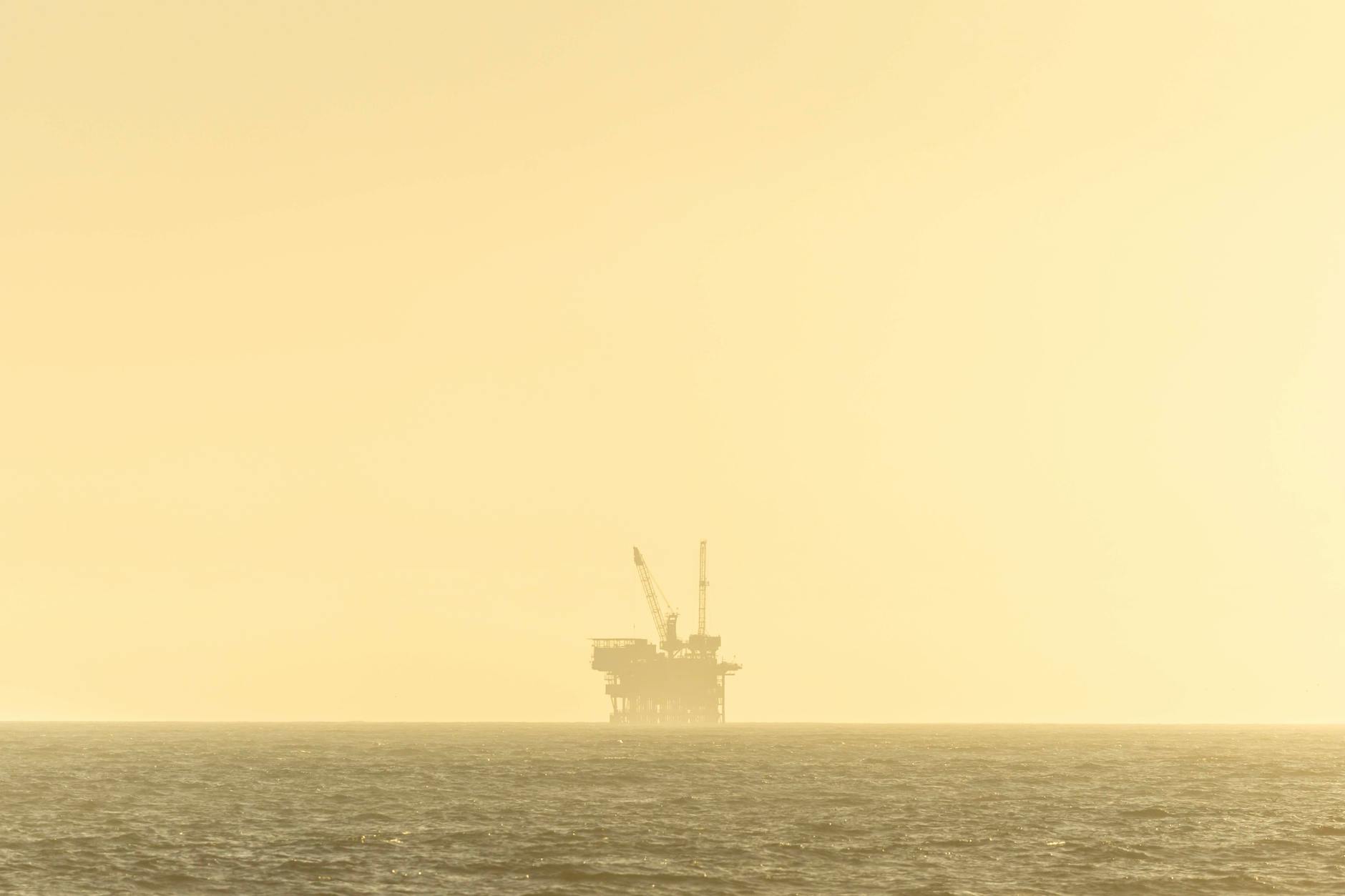
Giant server farms are abandoning land for the open ocean. Tech giants and data center companies are investing billions in floating facilities positioned in international waters, creating a new frontier for digital infrastructure that operates beyond traditional regulatory boundaries.
The concept sounds like science fiction, but companies like Nautilus Data Technologies and Microsoft have already proven the viability of water-based data centers. Microsoft’s Project Natick successfully operated an underwater data center off Scotland’s coast for two years, while several companies are now planning massive floating platforms that could house thousands of servers in international waters.
Escaping Regulatory Constraints
Operating in international waters offers unprecedented freedom from national data regulations. Beyond the 12-nautical-mile territorial limit, companies can establish their own operational frameworks without navigating complex national privacy laws, tax structures, or content restrictions that vary dramatically between countries.
This regulatory arbitrage appeals particularly to companies handling sensitive data or serving global markets with conflicting legal requirements. A floating data center in international waters could theoretically process European data without GDPR compliance costs, store content banned in certain countries, or offer services restricted by national firewalls.
The legal framework remains murky, however. While international waters provide escape from most national laws, maritime law still applies, and the flag state of the vessel maintains jurisdiction over the floating facility. Companies must still register their platforms under a national flag, creating interesting questions about which country’s laws ultimately govern digital operations at sea.
Energy Independence and Cooling Advantages
Floating data centers solve two critical infrastructure challenges: power generation and cooling efficiency. Ocean-based facilities can harness multiple renewable energy sources simultaneously, including wave energy, offshore wind, and solar arrays unobstructed by land-based shadows or weather patterns.
The surrounding seawater provides unlimited cooling capacity, dramatically reducing energy consumption compared to land-based facilities that rely on power-hungry air conditioning systems. Google’s research indicates that water cooling can reduce energy usage by up to 40% compared to traditional air-cooled data centers.
Wave energy conversion technology has matured enough to provide consistent baseload power for floating platforms. Companies like Ocean Power Technologies and Columbia Power Technologies have developed systems that convert ocean motion into electricity with remarkable reliability, offering 24/7 power generation that solar and wind cannot match alone.
The combination creates energy-positive facilities that generate more power than they consume, potentially selling excess electricity back to coastal grids or powering other maritime operations. This energy independence eliminates dependency on national electrical grids and their associated political risks.

Operational Challenges and Solutions
Maintaining complex server infrastructure in harsh marine environments requires significant engineering innovation. Salt air corrodes electronic components, storms create physical stress on equipment, and remote locations complicate maintenance and repairs.
Companies are addressing these challenges through modular design approaches. Sealed, weatherproof server modules can be manufactured and tested on land, then transported to floating platforms for installation. When components fail, entire modules can be swapped out rather than attempting complex repairs at sea.
Submarine cable technology provides the connectivity backbone, with undersea fiber optic cables already carrying 99% of international internet traffic. Floating data centers can tap directly into these cables, potentially offering lower latency connections to multiple continents than land-based facilities constrained by terrestrial routing.
Staffing remains a significant challenge. Most floating data centers operate with minimal human presence, relying heavily on automated monitoring and remote management systems. When technicians are needed, helicopter transport or specialized crew boats provide access, though weather conditions can delay critical maintenance.
The logistics complexity extends to equipment delivery, waste management, and emergency response procedures. Companies must establish relationships with maritime service providers and develop new supply chain models designed around ocean-based operations rather than traditional land-based infrastructure.
Economic and Strategic Implications
The economics of floating data centers challenge traditional real estate models for digital infrastructure. While initial construction costs exceed land-based facilities, operating expenses can be significantly lower due to free cooling, renewable energy generation, and absence of property taxes.
Major cloud providers are quietly investigating floating platforms as strategic assets. Amazon Web Services, Microsoft Azure, and Google Cloud Platform all face increasing pressure from national governments seeking data sovereignty and local control over digital infrastructure. Floating data centers in international waters could provide these companies with negotiating leverage and operational flexibility.
The implications extend beyond individual companies to reshape global internet architecture. If floating data centers become cost-effective and reliable, they could shift significant computing capacity away from traditional tech hubs and toward optimal oceanic locations chosen purely for operational efficiency rather than political stability or regulatory environment.
Similar to how major retailers are installing AI-powered checkout-free micro stores to bypass traditional retail constraints, floating data centers represent a fundamental shift in how companies approach infrastructure limitations.

The race toward oceanic computing is accelerating as land-based options become more expensive and regulated. Within the next decade, floating data centers could handle a substantial portion of global internet traffic, creating a new category of digital infrastructure that operates beyond traditional national boundaries.
Early movers in floating data center technology will likely establish competitive advantages in both cost structure and regulatory flexibility. As governments worldwide increase scrutiny of tech companies and data handling practices, the ocean may become the ultimate neutral territory for digital operations.
The success of these floating facilities could fundamentally alter the balance of power between tech companies and nation-states, creating truly global digital infrastructure that no single country can fully control or regulate.
Frequently Asked Questions
Why are companies building data centers in international waters?
To escape national regulations, reduce cooling costs using seawater, and harness renewable ocean energy while operating beyond territorial limits.
How do floating data centers get power and internet connectivity?
They use wave energy, offshore wind, and solar power, while connecting to existing submarine fiber optic cables that carry international internet traffic.