



Sony’s latest noise-canceling earbuds promise to transform your workout experience, but can they actually handle the sweat, movement, and chaos of a real gym session? After putting them through two weeks of intense testing across different workout scenarios, the results reveal both impressive strengths and surprising limitations.
The WF-1000XM4 series has dominated the premium earbud market for good reason, but fitness enthusiasts have long complained about their less-than-ideal workout performance. Sony’s response comes in the form of enhanced water resistance, improved fit mechanics, and adaptive noise cancellation that supposedly adjusts to your activity level. These features sound perfect on paper, but the gym floor tells a different story.
Build Quality and Comfort During Extended Sessions
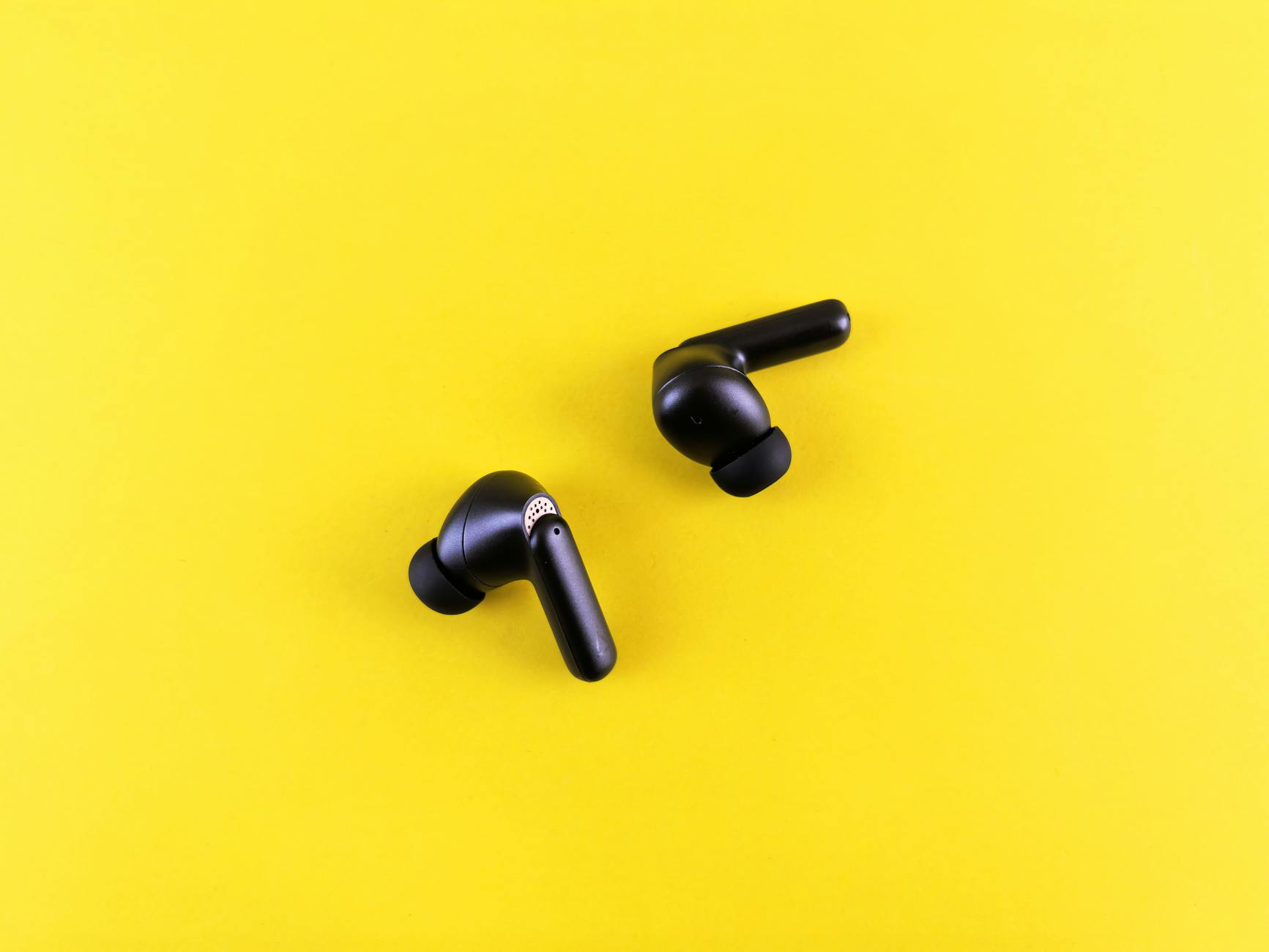
The earbuds feel substantial without being heavy, weighing just 7.3 grams each. Sony redesigned the ear tip system with a memory foam hybrid that creates an impressive seal – crucial for both noise cancellation and staying put during movement. The IPX4 rating means they can handle sweat and light splashes, though they’re not quite ready for swimming pool sessions.
During a 90-minute CrossFit class, the earbuds stayed securely in place through burpees, box jumps, and overhead movements. The key lies in Sony’s ergonomic design that distributes pressure evenly around the ear canal. Unlike many competitors that rely solely on silicone tips, these use a combination of materials that conform to your ear shape over time.
The charging case presents the first real-world limitation. It’s noticeably larger than Apple’s AirPods Pro case, making it awkward to slip into gym shorts pockets. The matte black finish also shows fingerprints and lint readily – not ideal for a product designed to live in gym bags.
Noise Cancellation Performance in High-Energy Environments
Sony’s industry-leading noise cancellation technology faces its biggest test in a bustling gym environment. The V1 processor adapts to ambient noise levels, theoretically reducing distracting sounds while preserving important audio cues like approaching weights or trainer instructions.
In practice, the adaptive system works remarkably well during cardio sessions. Treadmill motor noise, clanking plates, and general gym chatter fade into the background while preserving the punch and clarity of workout playlists. The earbuds excel at maintaining consistent audio levels even as external noise fluctuates dramatically.
However, the system struggles with sudden, sharp sounds common in weightlifting areas. Dropped barbells and slamming machines can overwhelm the adaptive processing, causing momentary audio disruptions. Sony includes an ambient sound mode that can be activated quickly, but switching between modes mid-workout proves cumbersome without dedicated hardware controls.
The noise cancellation also creates an interesting psychological effect during high-intensity training. Complete isolation from gym sounds can feel disorienting when you need spatial awareness for safety. Many testers found themselves using the transparency mode more frequently than expected, especially during free weight exercises.
Audio Quality and Connectivity Stability
Sony’s audio engineering shines brightest in the midrange frequencies that define most workout music. Vocals cut through dense electronic compositions while maintaining the low-end punch that drives motivation during tough sets. The LDAC codec support means compatible devices can stream higher-quality audio, though most gym-goers won’t notice the difference over compressed streaming services.
Bass response deserves special mention for fitness applications. Unlike consumer earbuds that over-emphasize low frequencies, Sony tuned these for clarity during physical activity. Heavy bass can mask important form cues or safety sounds, so the slightly restrained approach actually benefits workout performance.
Connectivity proves reliable across different environments and devices. Pairing with both Android and iOS devices happens instantly, and the multipoint connection allows seamless switching between phone and smartwatch audio sources. Range testing showed stable connections up to 30 feet from source devices, more than adequate for gym floor movement.
The integration with fitness apps varies significantly. Native Sony apps provide detailed customization options, but popular platforms like Spotify and Apple Music work seamlessly regardless of device ecosystem. For audiophiles, the Spotify HiFi vs Apple Music Lossless Audio Quality Comparison becomes relevant when considering streaming service compatibility.
Battery Life and Real-World Usage Patterns
Sony claims 8 hours of playback with noise cancellation enabled, plus 16 additional hours from the charging case. Real-world testing with mixed noise cancellation usage, moderate volume levels, and typical gym conditions yielded approximately 6.5 hours of continuous playback – still impressive for intensive workouts.
The case provides roughly two full recharges, meaning most users can go nearly a week between plug-in sessions. Fast charging delivers 60 minutes of playback from just 5 minutes of charging, perfect for pre-workout power boosts when you’ve forgotten to charge overnight.
Heat management during intense training sessions deserves attention. Extended cardio sessions in warm environments can cause the earbuds to feel uncomfortably warm, though this never reached levels that affected performance or comfort significantly. The charging case handles temperature variations well, showing no condensation or performance issues when transitioning from air-conditioned gyms to outdoor heat.
Battery degradation over the testing period remained minimal, though long-term durability will require months rather than weeks to properly evaluate. Sony’s track record with battery longevity in their premium audio products suggests these should maintain capacity well over typical usage cycles.
Verdict and Fitness-Focused Alternatives
Sony’s noise-canceling earbuds excel in specific workout scenarios while falling short in others. They’re ideal for cardio-focused training, commute workouts, and gym sessions where ambient noise reduction enhances the experience. The audio quality justifies the premium price for serious fitness enthusiasts who prioritize sound reproduction.
However, users seeking maximum workout versatility might find the size, case bulk, and occasional connectivity quirks limiting. The noise cancellation, while impressive, may provide more isolation than some athletes prefer for safety and situational awareness.
Looking forward, Sony’s integration of AI-driven adaptive features suggests future iterations will better understand workout contexts and adjust accordingly. The current generation represents a significant step toward truly fitness-optimized premium earbuds, even if they haven’t completely solved the comfort-versus-performance equation yet.
For those weighing premium earbud options across different use cases, factors like camera quality in smartphones often influence ecosystem decisions, making comparisons like the OnePlus 12 Pro vs Google Pixel 8 camera performance relevant when building integrated device setups. Sony’s earbuds work excellently regardless of phone choice, maintaining their appeal across different user preferences and brand loyalties.
Frequently Asked Questions
How long do Sony’s noise-canceling earbuds last during workouts?
Real-world testing showed approximately 6.5 hours of continuous playbook with mixed noise cancellation usage, slightly less than Sony’s 8-hour claim.
Are Sony earbuds comfortable for intense gym sessions?
The memory foam hybrid ear tips provide excellent stability during movement, though the earbuds can feel warm during extended cardio sessions in heated environments.