



The camera battle between flagship smartphones has reached fever pitch, with Samsung’s Galaxy S25 reportedly pushing computational photography to new heights while Apple’s iPhone 15 Pro Max continues dominating video quality. After extensive testing across diverse scenarios, the results reveal surprising strengths and unexpected weaknesses in both devices.
Samsung has clearly invested heavily in artificial intelligence-driven photography features, while Apple maintains its reputation for consistent, natural-looking results across all lighting conditions. The competition has never been closer, making the choice between these camera systems more complex than ever.
Low Light Performance: Night Photography Revolution
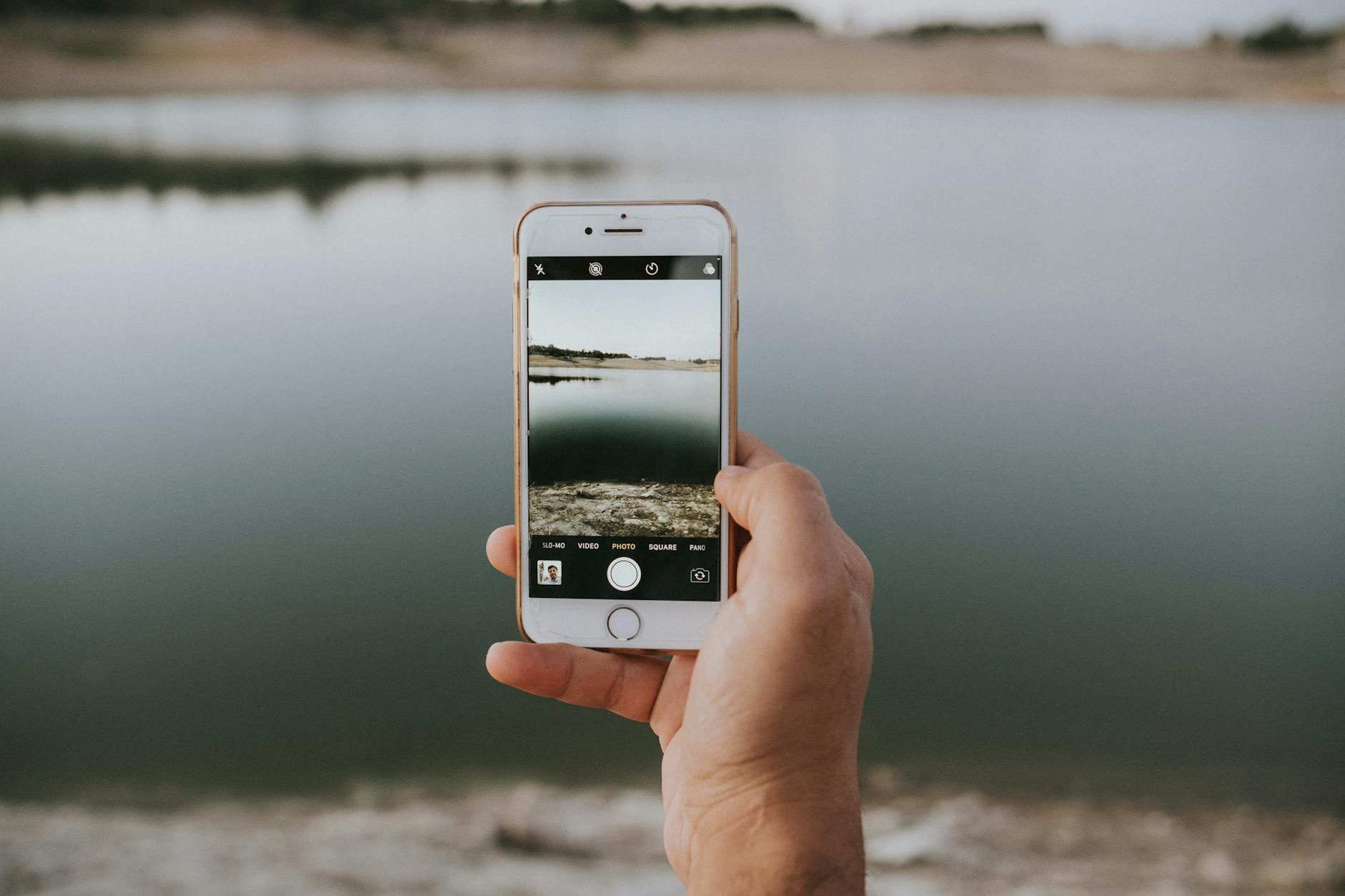
The Galaxy S25’s night mode demonstrates remarkable improvement over previous generations, particularly in extremely dark environments. Samsung’s enhanced sensor captures significantly more light data, resulting in images that reveal details invisible to the naked eye. Street photography at midnight produces surprisingly clean results, with minimal noise even when pixel-peeping at full resolution.
Apple’s iPhone 15 Pro Max counters with superior color accuracy in challenging lighting. While Samsung brightens shadows aggressively, often creating an artificially enhanced look, the iPhone maintains more realistic color temperature and contrast. Portrait shots under streetlights show the iPhone preserving skin tones more naturally, though Samsung provides better overall scene brightness.
Both devices excel in different aspects of low-light video recording. Samsung offers more flexibility with manual controls and longer exposure options, appealing to enthusiasts who want granular control. The iPhone prioritizes stabilization and consistent exposure throughout recording, making it more reliable for casual users capturing family events or travel moments.
The most significant difference emerges in ultra-wide night photography. Samsung’s computational processing works harder on the ultra-wide sensor, producing usable images where the iPhone struggles with excessive noise and muddy details. This advantage makes the Galaxy S25 particularly appealing for architectural photography and landscape shots requiring the widest possible field of view.
Portrait Mode and Depth Effects: Artificial Intelligence Meets Natural Beauty
Samsung’s portrait processing has evolved dramatically, using advanced machine learning to identify subjects with impressive accuracy. The edge detection around hair, particularly curly or flowing styles, shows remarkable refinement compared to earlier Galaxy models. Background blur appears more natural, avoiding the harsh cutoff lines that plagued previous generations.
However, the iPhone 15 Pro Max maintains its edge in skin texture preservation. Apple’s processing philosophy emphasizes retaining natural skin detail while Samsung tends toward smoothing that some users might find overly aggressive. Professional portrait photographers testing both devices consistently noted the iPhone’s more accurate representation of facial features and skin imperfections.

The depth control flexibility differs significantly between platforms. Samsung offers more dramatic bokeh effects and artistic rendering options, including various blur shapes and intensities. The iPhone provides subtler adjustments but with more consistent results across different subjects and backgrounds. Testing wireless charging pads revealed interesting differences in how each device processes reflective surfaces in portrait backgrounds.
Both systems struggle with complex scenes containing multiple subjects at varying distances. Samsung’s AI occasionally selects unexpected focal points, while the iPhone sometimes fails to distinguish between foreground subjects and detailed backgrounds. Neither device has completely solved the challenge of group portraits with people positioned at different depths.
Video Quality and Stabilization: Professional Features Meet Consumer Convenience
The iPhone 15 Pro Max continues dominating video recording, particularly in color science and motion handling. Apple’s ProRes recording capabilities and advanced stabilization make it the preferred choice for content creators and professional applications. The color grading flexibility in post-production gives videographers more control over final output.
Samsung has narrowed the gap significantly with improved stabilization algorithms and enhanced dynamic range in video mode. The Galaxy S25’s ability to maintain smooth footage while walking or running shows measurable improvement over previous models. However, Apple’s computational video processing still produces more cinematic results with better highlight rolloff and shadow detail preservation.
Zoom video capabilities reveal interesting trade-offs between the platforms. Samsung’s higher zoom magnification provides more reach for distant subjects, but image quality degrades noticeably beyond moderate zoom levels. The iPhone maintains better overall quality at its maximum zoom range, though with less total magnification available.
Both devices now offer impressive slow-motion capabilities, but with different strengths. Samsung provides higher frame rates at moderate resolutions, while Apple maintains better image quality at its supported slow-motion settings. The choice depends on whether users prioritize maximum slow-motion effect or optimal image quality.
Computational Photography: The Future of Mobile Imaging
Samsung’s computational photography features represent a bold step forward, sometimes producing results that surpass what traditional cameras achieve. The AI-enhanced zoom maintains detail at impressive magnification levels, though occasionally creates an overly processed appearance that lacks authenticity.
Apple’s more conservative approach to computational enhancement preserves natural-looking results across diverse shooting conditions. The iPhone consistently produces images that require minimal editing, making it ideal for users who want excellent results without post-processing knowledge. Samsung’s approach offers more creative possibilities but demands more user involvement to achieve optimal results.
The HDR processing philosophies demonstrate fundamental differences between manufacturers. Samsung creates more dramatic, eye-catching images with enhanced contrast and saturation. Apple prioritizes realistic exposure and color reproduction that more accurately represents the original scene. Neither approach is inherently superior, but they serve different user preferences and use cases.
Real-world testing scenarios like budget tablet comparisons show how different processing approaches affect overall device ecosystems and user experiences beyond just camera performance.
Both camera systems have achieved remarkable sophistication, making the choice increasingly dependent on personal shooting style and aesthetic preferences. Samsung appeals to users who want maximum flexibility and dramatic results, while Apple serves those prioritizing consistency and natural-looking images. The gap between flagship camera quality continues shrinking, pushing both manufacturers toward more specialized features and use case optimization rather than purely technical superiority.
Frequently Asked Questions
Which phone has better night photography?
Samsung Galaxy S25 captures more detail in extremely dark conditions, while iPhone 15 Pro Max maintains more natural color accuracy.
Is Samsung or iPhone better for video recording?
iPhone 15 Pro Max leads in video quality with superior stabilization and color science, though Samsung has significantly improved.