


Sonos Quietly Patches the App That Frustrated Its Most Loyal Users
Sonos has pushed a new update to its mobile app, introducing tab navigation, speaker sorting, and a handful of additional quality-of-life improvements that the company’s user base has been waiting on for some time. The changes are modest in scope but pointed in intent – each one targets a specific friction point that surfaced after the app’s controversial redesign last year left many longtime customers vocal and unhappy. This is not a reinvention. It is, more accurately, a repair job, and the question is whether it lands in time to matter.
The update arrives at a moment when Sonos is still rebuilding trust.
The 2024 app overhaul stripped out features users relied on daily, and the backlash was severe enough that the company’s then-CEO Patrick Spence ultimately stepped down in January 2025. Tom Conrad, the incoming CEO, inherited both the hardware lineup and the software mess. These new changes – tab navigation for easier movement through the app, speaker sorting to organize multi-room setups, and other usability tweaks – reflect the kind of incremental work Conrad has signaled would define his early tenure. Getting the basics right before attempting anything ambitious.
What the Update Actually Includes
Tab navigation is the most visible addition. Instead of burrowing through menus to reach different sections of the app, users now move between major areas of the interface via a persistent tab bar. It is a structural change to how the app is navigated, not just a cosmetic one. For households with multiple Sonos speakers – the typical Sonos household – that kind of direct access reduces the number of taps required to get anywhere meaningful.
Speaker sorting gives users control over how their devices are listed and displayed within the app. Previously, the order was largely fixed, which became increasingly annoying as the Sonos product lineup expanded and more homes ended up with four, six, or more speakers spread across different rooms. Being able to arrange that list manually, or by some logical grouping, means the app finally behaves more like a tool built around how people actually use their systems rather than one that assumes a simpler setup.
Additional quality-of-life improvements are included in the update as well, though Sonos has not itemized every change in exhaustive detail. The broad category covers interface refinements and performance adjustments that address issues users flagged repeatedly in forums and app store reviews. Each one is small. Together, they suggest the engineering team has been working through a backlog of complaints systematically rather than chasing new features while old wounds stayed open.
Why This Update Carries More Weight Than Its Changelog Suggests
Sonos built its reputation on audio quality and an ecosystem that made multi-room sound feel effortless. The 2024 app redesign disrupted that reputation not because it sounded worse – the speakers themselves were unchanged – but because the software that tied everything together suddenly felt unreliable. Missing features, slower performance, and a navigation structure that confused even experienced users created a rift between what Sonos hardware promised and what the app delivered on a daily basis. That gap eroded confidence in ways that are difficult to quantify but easy to observe in customer forums and declining satisfaction scores.
App updates rarely generate news coverage. The fact that this one does says something about where the company has been. Sonos users are not evaluating this update on its technical merits alone – they are reading it as a signal about whether the company is actually listening, and whether the leadership change at the top has produced any real shift in how decisions get made. Tab navigation and speaker sorting are not dramatic answers to that question. But they are answers, and they are the right kind: specific, functional, and directly tied to complaints users raised explicitly.

Tom Conrad’s background is in music and technology – he served as CTO of Pandora during its most formative years. That experience shapes an understanding of what it means when a listening product loses the confidence of its audience. A person who has watched a music platform recover from user trust problems, or fail to, is not going to misread the size of the task Sonos currently faces. Whether that translates into faster, more consistent software improvements across the rest of 2025 is what users are actually watching for now.
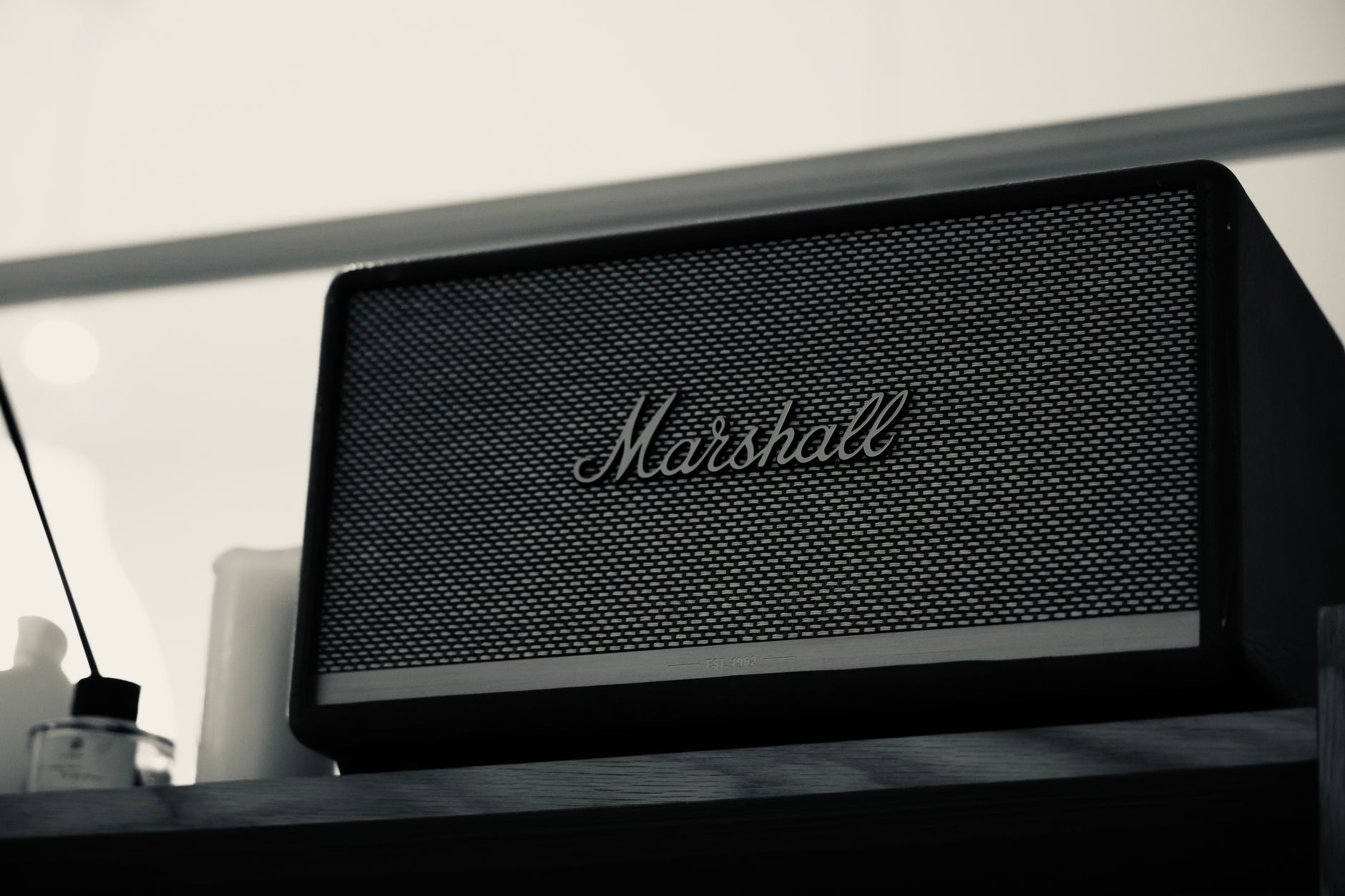
Sonos has not announced a comprehensive roadmap for the app beyond these updates, and the company still has outstanding feature gaps left over from the original redesign that have not been fully addressed. The speakers on the shelf – including the recently released products that continued shipping during the software controversy – are waiting for software that can do them justice. This update moves in that direction. One tab bar at a time.