




Smart speakers sit in 75% of American homes today, making voice assistants the invisible conductors of modern living. What started as novelty gadgets for weather updates has evolved into sophisticated home automation hubs that control everything from coffee makers to security systems. Three major ecosystems now dominate this space, each promising seamless integration but delivering vastly different experiences.
The competition between Amazon Alexa, Google Assistant, and Apple HomeKit has intensified as manufacturers race to perfect their smart home platforms. Each system brings distinct advantages, creating a landscape where choosing the wrong ecosystem can mean years of compatibility headaches and expensive device replacements.
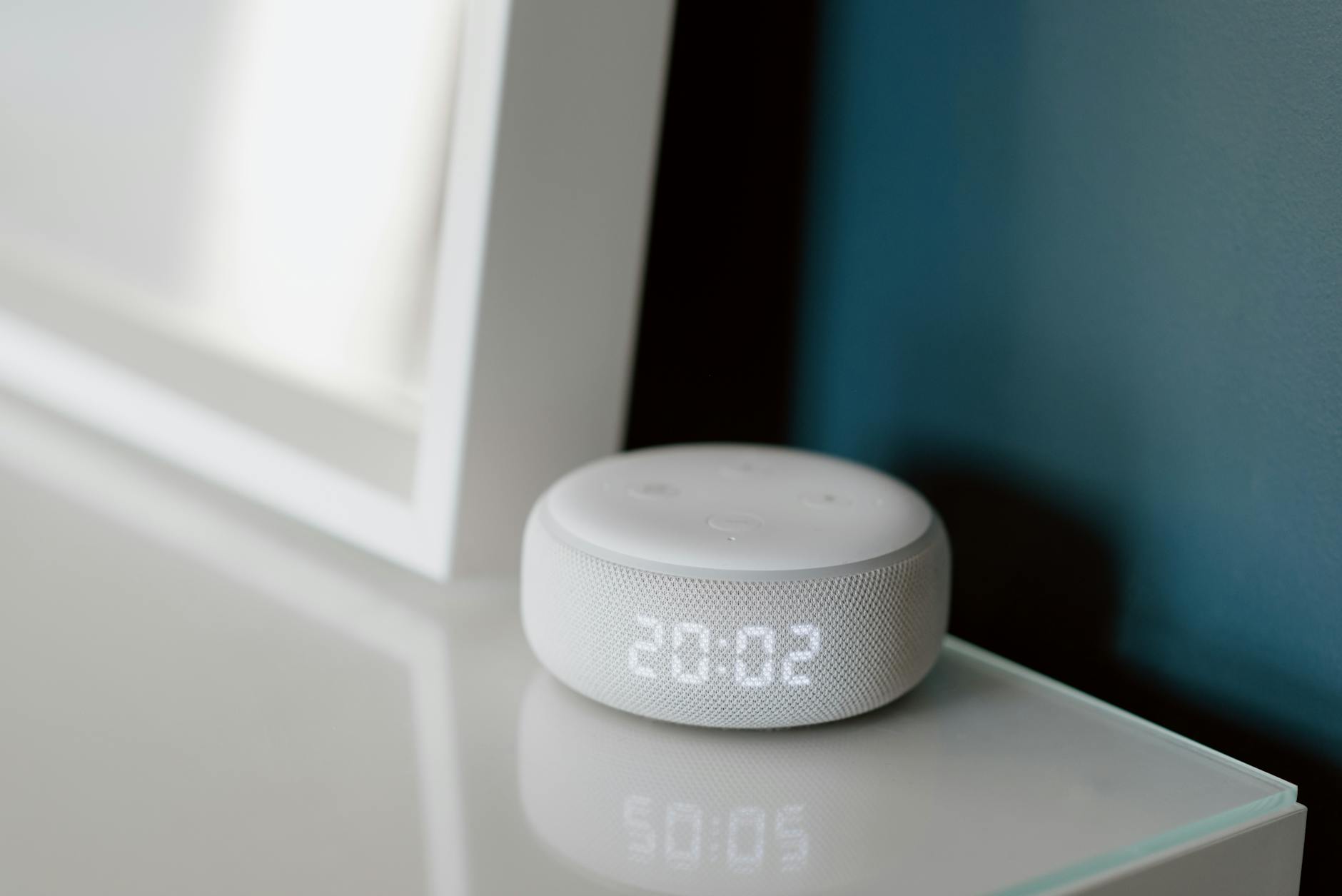
Amazon Alexa: The Universal Translator
Amazon’s Alexa ecosystem commands the largest market share for good reason. With over 100,000 compatible devices from thousands of manufacturers, Alexa speaks the language of nearly every smart home gadget imaginable. From Ring doorbells to Philips Hue bulbs, the breadth of compatibility remains unmatched.
The Echo lineup spans every price point and room type. The Echo Dot serves as an affordable entry point for bedrooms and bathrooms, while the Echo Studio delivers audiophile-quality sound for entertainment spaces. Amazon’s aggressive pricing strategy has made Alexa devices accessible to budget-conscious consumers, often selling hardware at a loss to capture ecosystem loyalty.
Alexa’s strength lies in third-party integrations. Skills from major brands like Samsung, LG, and Nest create a unified control experience regardless of device manufacturer. The Alexa app serves as mission control, organizing devices by room and creating custom routines that trigger multiple actions with single voice commands.
However, Amazon’s advertising-driven business model creates friction. The platform occasionally promotes Amazon products over superior alternatives, and shopping suggestions can interrupt smart home interactions. Privacy concerns persist as Amazon processes voice data to improve targeting algorithms.
Google Assistant: The Information Powerhouse
Google Assistant leverages the search giant’s vast knowledge graph to deliver contextually aware responses. Ask about traffic conditions, and it automatically references your calendar to suggest optimal departure times. Request restaurant recommendations, and it factors in your dietary preferences from previous searches.
The Nest ecosystem showcases Google’s hardware ambitions. Nest thermostats learn household patterns to optimize energy usage, while Nest cameras provide AI-powered activity recognition that distinguishes between family members, pets, and strangers. The integration between Nest devices creates sophisticated automation scenarios impossible with standalone products.
Google’s natural language processing excels at conversational interactions. Follow-up questions maintain context, allowing complex multi-step queries without repeating device names or locations. The Assistant understands pronouns and references, making interactions feel more natural than competing platforms.
The downside emerges in device compatibility. Google’s focus on Nest and partner products leaves gaps in third-party support. Many popular smart home brands prioritize Alexa integration, treating Google Assistant as a secondary consideration. This creates an ecosystem that works brilliantly within Google’s garden but struggles with diverse device collections.

Apple HomeKit: The Privacy Champion
Apple HomeKit takes a fundamentally different approach, prioritizing privacy and local processing over cloud connectivity. All automation runs locally on Apple TV or HomePod hubs, ensuring smart home functions continue during internet outages. HomeKit’s encryption standards exceed industry norms, with end-to-end protection for device communications.
The platform’s integration with iOS devices creates seamless experiences for iPhone and iPad users. Control Center provides instant access to frequently used devices, while the Home app organizes rooms and scenes with Apple’s signature interface polish. Siri Shortcuts enable complex automation triggered by custom phrases or app actions.
HomeKit’s security model requires rigorous certification, resulting in a smaller but more reliable device ecosystem. Compatible products undergo extensive testing for stability and security, reducing the random failures that plague other platforms. When HomeKit devices work, they work consistently.
The trade-off comes in device selection and pricing. HomeKit-compatible versions of popular products often cost 20-30% more than standard models. Major brands like Wyze and TP-Link offer limited HomeKit support, forcing users toward premium alternatives. The smaller ecosystem means fewer choices and higher costs across device categories.
The Hybrid Reality
Most smart home enthusiasts eventually adopt multi-platform strategies, using different ecosystems for different purposes. A typical setup might include Alexa for voice control and device compatibility, Google Nest for security cameras and climate control, and HomeKit for privacy-sensitive devices like door locks and security systems.
This hybrid approach requires careful planning to avoid conflicts. Some devices support multiple platforms simultaneously, allowing users to choose their preferred interface for each interaction type. Others lock users into single ecosystems, creating islands of functionality that don’t communicate.
The integration challenge extends beyond devices to services. Music streaming, calendar access, and shopping preferences tie deeply into each platform’s parent ecosystem. Switching voice assistants often means rebuilding years of personalized preferences and connected services.
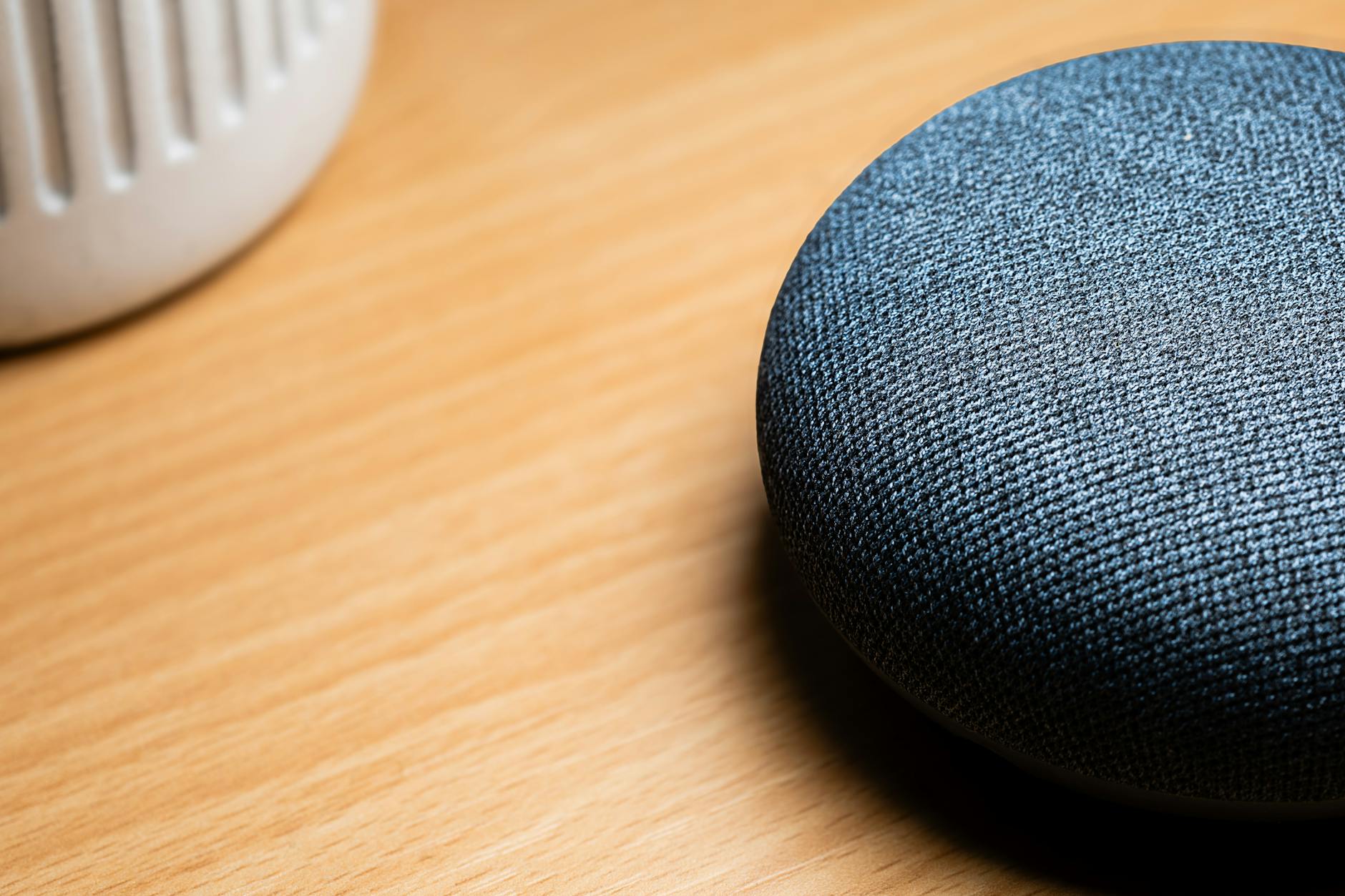
Smart home ecosystems continue evolving rapidly, with each platform addressing current weaknesses through regular updates and new device partnerships. Amazon expands privacy controls while maintaining broad compatibility. Google improves third-party device support while preserving AI advantages. Apple gradually increases device selection while maintaining security standards.
The “winning” ecosystem depends entirely on individual priorities: device variety, privacy protection, natural language processing, or seamless mobile integration. Rather than declaring a single victor, the smart home future likely belongs to platforms that balance these competing demands while maintaining the simplicity that made voice control appealing in the first place. As smart health monitoring devices become more sophisticated, interoperability between ecosystems will become even more critical for comprehensive home automation.
Frequently Asked Questions
Which smart home hub has the most compatible devices?
Amazon Alexa supports over 100,000 devices from thousands of manufacturers, offering the broadest compatibility of any smart home platform.
Is Apple HomeKit more secure than other smart home systems?
Yes, HomeKit processes automation locally and uses end-to-end encryption, providing superior privacy and security compared to cloud-based competitors.