



Mark Zuckerberg’s billion-dollar bet on the metaverse is taking a dramatic turn. Meta is reportedly scaling back its virtual reality investments and redirecting resources toward AI hardware development, marking one of the most significant strategic pivots in Silicon Valley history.
The shift comes after Meta poured over $13 billion into Reality Labs in 2022 alone, with limited user adoption of its VR platforms. Industry insiders suggest the company recognizes that artificial intelligence hardware presents a more immediate and lucrative opportunity than virtual worlds that consumers haven’t embraced.

The Reality Labs Reckoning
Meta’s Reality Labs division has burned through more than $40 billion since 2019, creating impressive technology but struggling to find mainstream appeal. The Quest headsets, while technically advanced, remain niche products used primarily by gaming enthusiasts and early adopters.
Recent quarterly reports show declining user engagement in Meta’s flagship VR platform, Horizon Worlds. Despite heavy marketing campaigns and celebrity partnerships, the virtual spaces remain largely empty. Users report technical glitches, limited social features, and a lack of compelling content that would justify the hardware investment.
The company’s ambitious plans for workplace VR meetings and virtual commerce have also failed to materialize at scale. Corporate clients tested VR conference rooms but returned to traditional video calls, citing comfort issues and technical barriers that made virtual meetings less efficient than existing solutions.
The AI Hardware Gold Rush
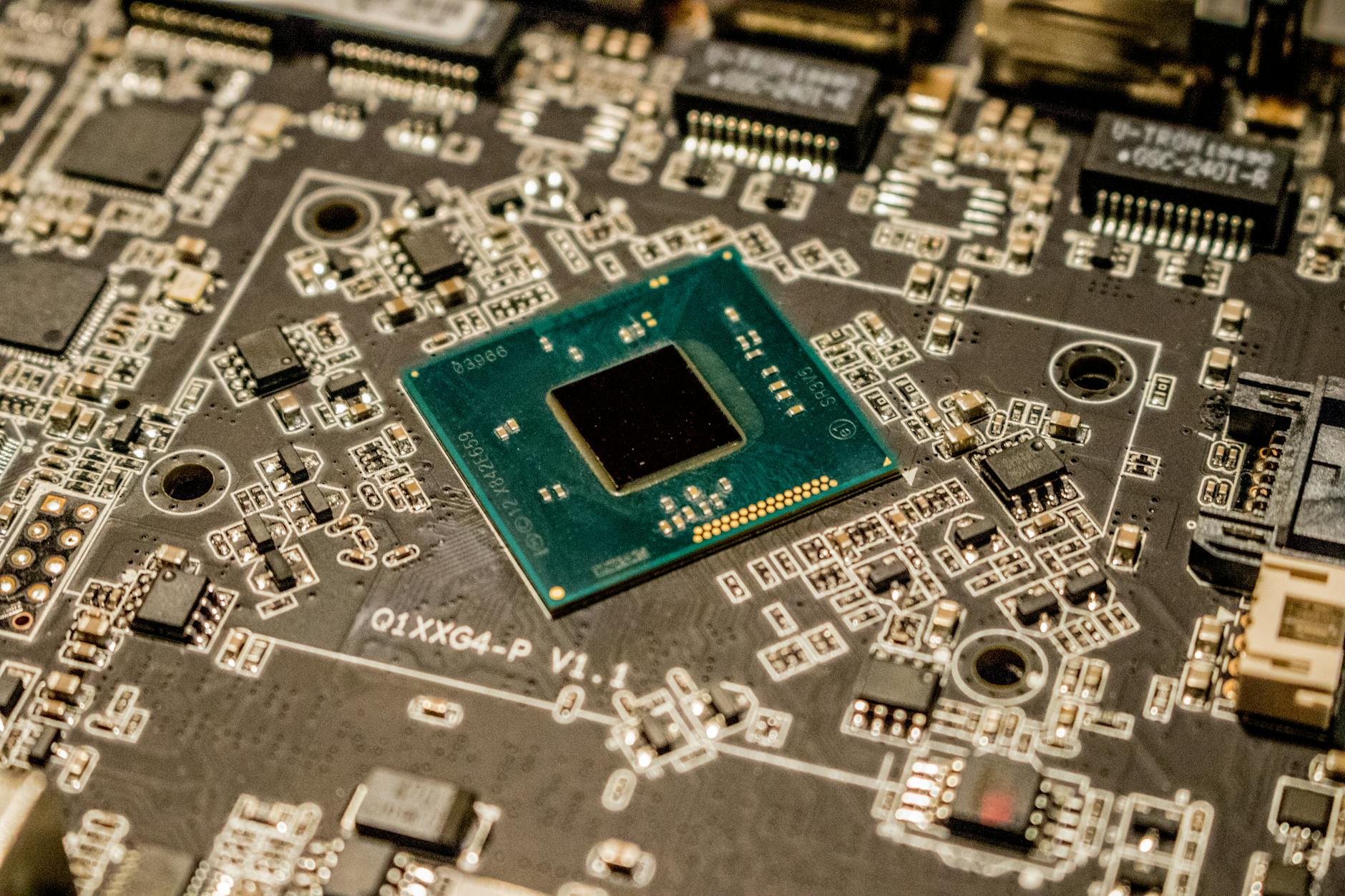
Meta’s pivot toward AI hardware development aligns with broader industry trends. The company is reportedly developing custom AI chips optimized for machine learning workloads, following successful models from companies like Google and Amazon who built specialized processors for their cloud services.
Sources familiar with Meta’s plans indicate the company is focusing on hardware that could power more sophisticated AI features across its existing platforms. This includes advanced content recommendation systems, real-time language translation, and automated content moderation that could operate more efficiently than current cloud-based solutions.
The timing coincides with growing concerns about AI content scraping, as major news organizations form alliances against unauthorized data collection. Meta’s own AI hardware could provide more control over data processing while reducing dependence on external AI services.
Financial Implications and Market Response
Wall Street has responded positively to rumors of Meta’s strategic shift. Analysts note that AI hardware development requires significantly lower upfront investments than building entire virtual worlds, while offering clearer paths to monetization through existing advertising and social media platforms.
The company’s stock price has shown resilience despite Reality Labs losses, partly due to investor confidence in Meta’s core advertising business and its early adoption of AI features. Instagram’s AI-powered content discovery and Facebook’s automated ad targeting demonstrate the company’s ability to integrate artificial intelligence into profitable products.
Meta’s advertising revenue, which exceeded $117 billion in 2022, provides a stable foundation for AI hardware investments. Unlike the speculative nature of metaverse adoption, AI hardware improvements can directly enhance the targeting and personalization features that drive Meta’s primary revenue streams.
Industry Impact and Competition
Meta’s pivot reflects broader industry skepticism about consumer VR adoption timelines. Apple’s Vision Pro launch generated initial excitement but faced similar challenges with pricing and practical applications. Google’s earlier attempts with Glass and Daydream also failed to achieve mass market success.
The shift toward AI hardware development puts Meta in direct competition with established players like NVIDIA, Intel, and emerging companies focused on AI chip design. However, Meta’s massive user base and data resources provide unique advantages in developing specialized processors optimized for social media applications.
Industry observers note parallels to how major tech companies previously developed custom chips for specific needs. Apple’s M-series processors revolutionized laptop performance, while Tesla’s AI chips enabled advanced autonomous driving features. Meta’s approach could similarly optimize AI processing for social media and advertising applications.

The metaverse concept isn’t disappearing entirely, but Meta’s more measured approach suggests a longer-term timeline for mass adoption. The company continues operating Reality Labs but with reduced funding and more focused objectives. VR technology may eventually reach mainstream acceptance, but Meta appears unwilling to wait indefinitely while burning billions in development costs.
Meta’s strategic pivot toward AI hardware development represents a pragmatic acknowledgment of market realities. While virtual worlds captured imaginations, artificial intelligence offers immediate applications that enhance existing products and create new revenue opportunities. This shift positions Meta to compete more effectively in the AI arms race while maintaining its dominance in social media and digital advertising.
Frequently Asked Questions
Why is Meta abandoning the metaverse?
Meta isn’t fully abandoning VR but scaling back after spending over $40 billion with limited user adoption and engagement.
What AI hardware is Meta developing?
Meta is reportedly creating custom AI chips optimized for machine learning workloads and social media applications.