



Lotus has reversed its electric-vehicle strategy, announcing plans to reintroduce combustion engines alongside battery-powered models in a dramatic shift from its previous all-electric commitment.
Strategic Reversal Marks Third Major Pivot
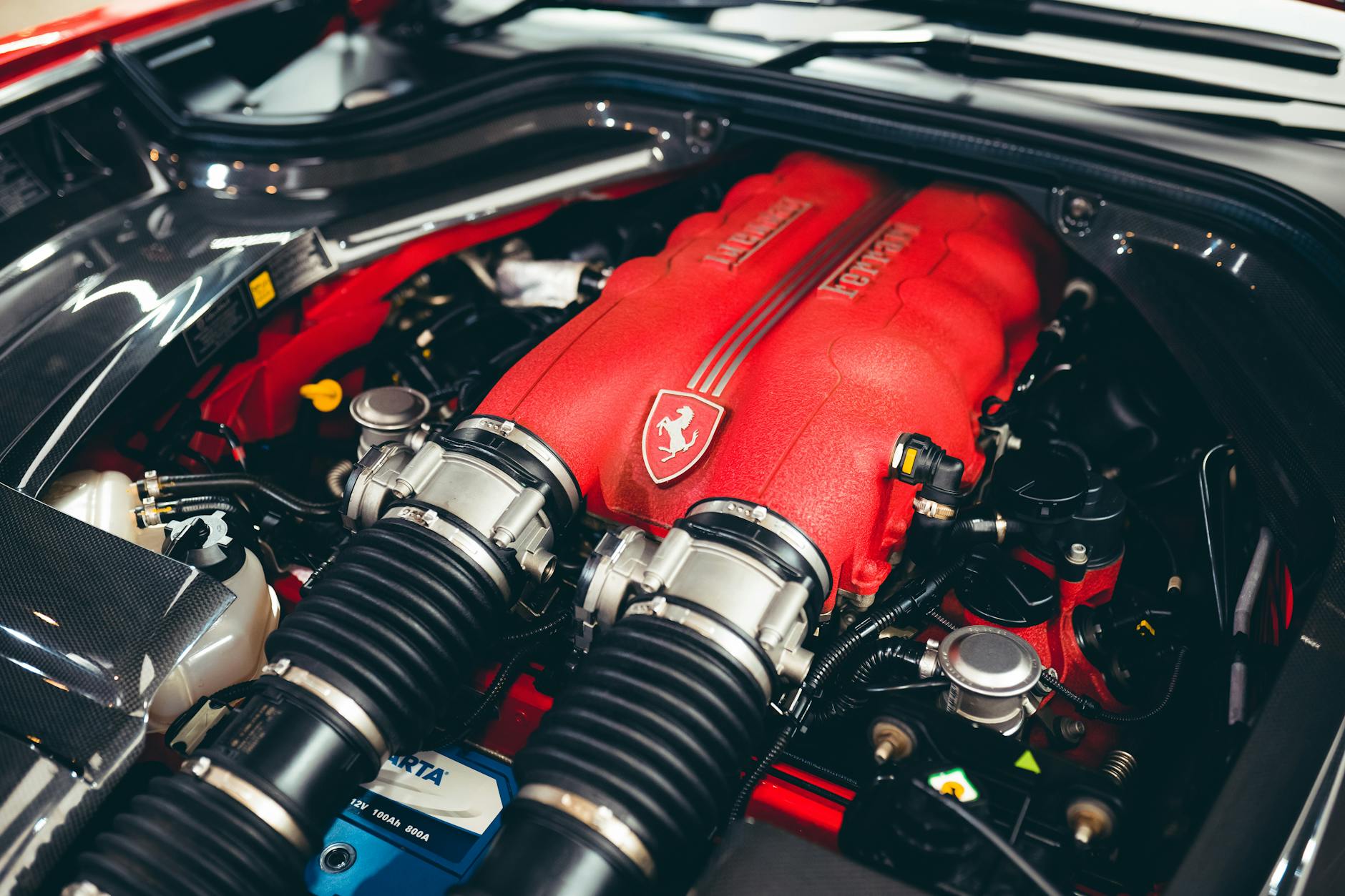
The British sports car manufacturer outlined its new Vision 2030 roadmap, which includes the development of the Type 135 model featuring traditional internal combustion technology. This decision represents the company’s third significant strategic change in recent years, following its initial push toward electrification and subsequent ownership transitions.
Lotus previously committed to becoming an all-electric brand, positioning itself as a leader in sustainable performance vehicles. The company had marketed this transition as essential for meeting global emissions standards while maintaining its reputation for lightweight, high-performance cars.
Market conditions and consumer demand patterns appear to have influenced this latest direction change. Electric vehicle adoption rates have varied significantly across different regions, with some markets showing stronger preference for hybrid or traditional powertrains in the luxury sports car segment.
The Type 135 designation suggests this new combustion-powered model will slot into Lotus’s existing naming convention, though specific technical details remain undisclosed. Company executives have not yet revealed whether this will be a purely gasoline-powered vehicle or incorporate hybrid technology.
Industry Context Shapes Decision
This announcement comes as several luxury automakers reassess their electrification timelines amid changing market dynamics. Consumer preferences in the performance car sector have shown more resistance to full electrification compared to mainstream vehicle segments, particularly among enthusiasts who value traditional engine characteristics.
Lotus joins other premium brands in adopting a more flexible approach to powertrains rather than committing exclusively to electric technology. The sports car market has proven particularly challenging for pure electric strategies, with buyers often prioritizing sound, driving feel, and range considerations that favor combustion engines.
Manufacturing costs for electric sports cars remain substantially higher than traditional alternatives, creating pricing pressures that can limit market appeal. Battery technology suitable for high-performance applications also adds significant weight, conflicting with Lotus’s historical focus on minimizing vehicle mass.
The company’s ownership structure has undergone changes that may have influenced this strategic pivot. Different stakeholders often bring varying perspectives on market positioning and technology adoption timelines, particularly in specialized segments like high-performance sports cars.
Regulatory environments across key markets have also evolved since Lotus’s initial electric commitment. Some regions have extended deadlines for combustion engine phase-outs or created exemptions for low-volume specialty manufacturers, potentially providing more flexibility for companies like Lotus to maintain diverse powertrain offerings.

Future Model Planning Questions
The integration of both electric and combustion models within Lotus’s lineup raises questions about manufacturing efficiency and brand positioning. Supporting dual powertrain technologies typically requires significant investment in separate production capabilities and supply chains.
Whether the Type 135 will complement existing electric models or replace certain planned battery-powered variants remains unclear, as does the timeline for bringing this combustion-powered vehicle to market.