


A Keyboard That Wants to Do It All
The Logitech G512 X 98 arrives with an ambitious premise: let users swap between mechanical and analog switches, theoretically combining the tactile satisfaction of traditional mechanical input with the pressure-sensitive range that analog switches offer. The execution, however, does not live up to the ambition.

What the G512 X 98 Is Actually Trying to Do
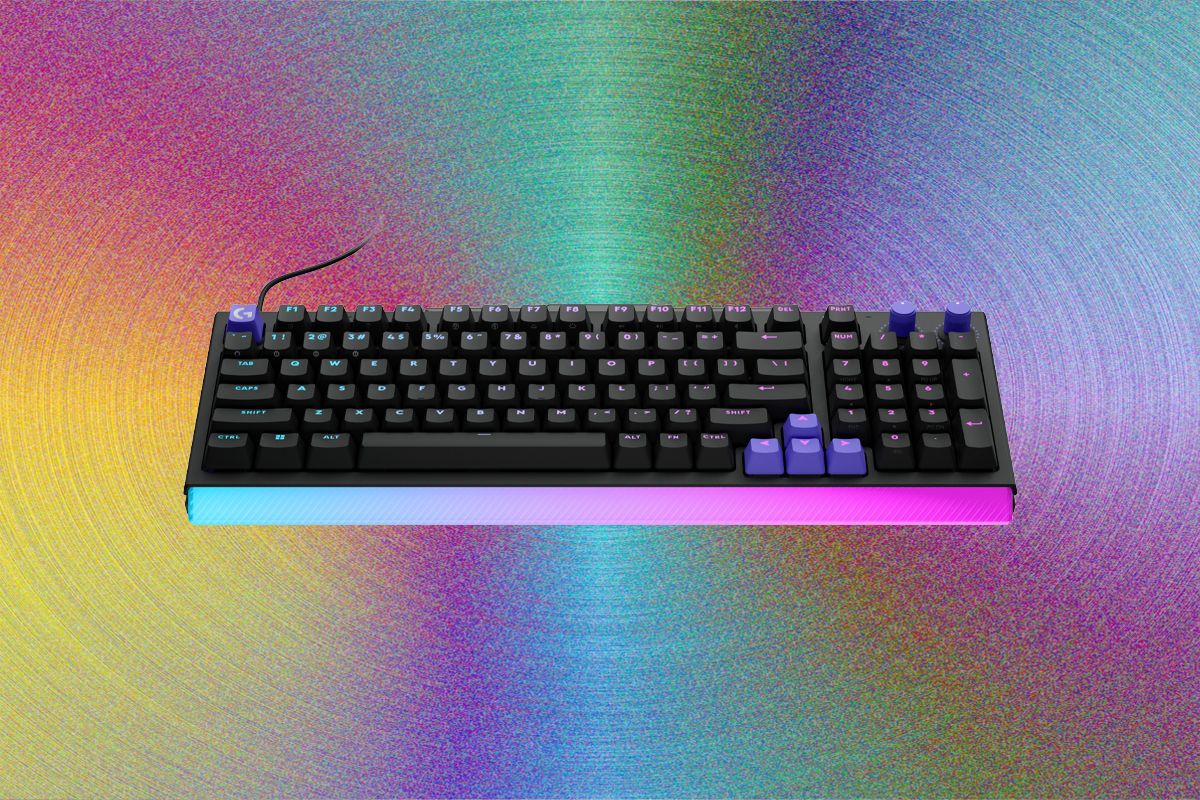
The core selling point of the G512 X 98 is its hybrid switch system. Logitech designed the board to accept both mechanical switches and analog switches within the same chassis, giving users the option to configure their keyboard depending on the task at hand – competitive gaming, typing, or something in between. On paper, that flexibility sounds like a meaningful upgrade over single-switch boards that force you to commit to one feel for everything you do.
Analog switches, for those unfamiliar, register varying degrees of actuation depending on how far the key is pressed down. This is particularly appealing for gaming scenarios where fine-grained input control – think throttle in a racing sim or gradual movement in an action-adventure title – can make a real difference. Mechanical switches, by contrast, operate on a binary trigger point: pressed or not pressed, with no middle ground. Each has a distinct use case, and Logitech’s argument is that you shouldn’t have to choose.
The G512 X 98 targets users who want a single board capable of serving multiple roles. It is a 98-percent layout, meaning it retains a number pad while trimming some of the surrounding dead space found on full-size keyboards. That form factor already appeals to a specific kind of user – someone who needs the number row for work but wants a slightly tighter footprint on their desk. Adding switch-swap capability on top of that positions the board as a do-everything device aimed at people who don’t want to own two separate keyboards.
The problem is that combining two switch types in one board introduces compromises that neither side of that equation fully escapes. A keyboard designed to accommodate both mechanical and analog switches cannot be optimized entirely for either. The mounting system, PCB tolerances, and overall construction have to account for the physical differences between the two switch formats, and that balancing act has visible consequences for the final product.
Where the Design Falls Apart
The hybrid approach is not as well thought-out as it needs to be to justify the concept. Swapping switches on any hot-swap board requires some care, but on a board that has to accommodate two fundamentally different switch types, the process introduces more complexity without a proportional payoff. The user experience around that swap – how easy it is, how consistent the result feels, whether the keyboard behaves reliably after the change – is where hybrid designs live or die, and the G512 X 98 does not fully clear that bar.
There is also the question of what the board actually feels like in use when configured each way. A mechanical setup on the G512 X 98 is not competing only against other mechanical boards – it is competing against mechanical boards built specifically around that switch type from the ground up. The same applies when running analog switches. Dedicated analog boards exist, and they are tuned for that use case in ways a hybrid chassis is not. The G512 X 98 ends up sitting between two well-served markets rather than owning either one.
Logitech has strong credibility in the gaming peripheral space, and the G512 line has been around long enough to carry some brand recognition. That history makes the shortcomings of the X 98 variant more noticeable. Earlier G512 models were more straightforward offerings – mechanical boards with defined switch options and a clear value proposition. The X 98 reaches for something more complex and, in doing so, introduces uncertainty where the original line had clarity.
The 98-percent layout itself is not in question here. That format has a genuine following, and the physical build of the keyboard – frame, keycaps, overall construction – is not where the issues concentrate. The problem is specific to the hybrid switch concept and whether the implementation supports what Logitech is promising. Right now, it does not do so convincingly enough to recommend the board over more focused alternatives in the same price range.
For users who genuinely want analog input – particularly for sim racing, flight games, or any title that benefits from analog stick-style precision on a keyboard – the G512 X 98 is an interesting attempt to bring that experience to a format people are already comfortable with. But interesting attempts and reliable products are different things. A keyboard that is supposed to be versatile needs to perform confidently in both modes, not adequately in neither.
Who This Actually Makes Sense For
The G512 X 98 will likely find its audience among early adopters who are specifically curious about analog keyboard technology and want to experiment without committing to a purpose-built analog board. That is a narrow group, and the keyboard’s value is largely contingent on that curiosity driving the purchase rather than a need for a primary daily driver.
Logitech built a keyboard that introduces a real concept – switch-type flexibility – but left too many rough edges around how that concept is delivered. The question is not whether hybrid mechanical-analog keyboards are worth exploring. They might well be. The question is whether this specific board does the idea justice – and at its current state, a user who pulls both switch types from the G512 X 98 and drops them into two separate, dedicated boards will almost certainly prefer what they find there.