




Two of the biggest names in CPU manufacturing just announced something unprecedented: Intel and AMD are joining forces to challenge NVIDIA’s stranglehold on AI processing. The partnership, revealed through industry sources and confirmed by both companies, marks the first time these longtime rivals have collaborated on such a significant scale.
The alliance focuses on developing open standards for AI acceleration and creating a unified software ecosystem that could potentially break NVIDIA’s dominance in data center AI workloads. With NVIDIA controlling roughly 80% of the AI chip market, this partnership represents the most serious challenge to the graphics giant’s supremacy since the AI boom began.
Breaking Down Decades of Competition
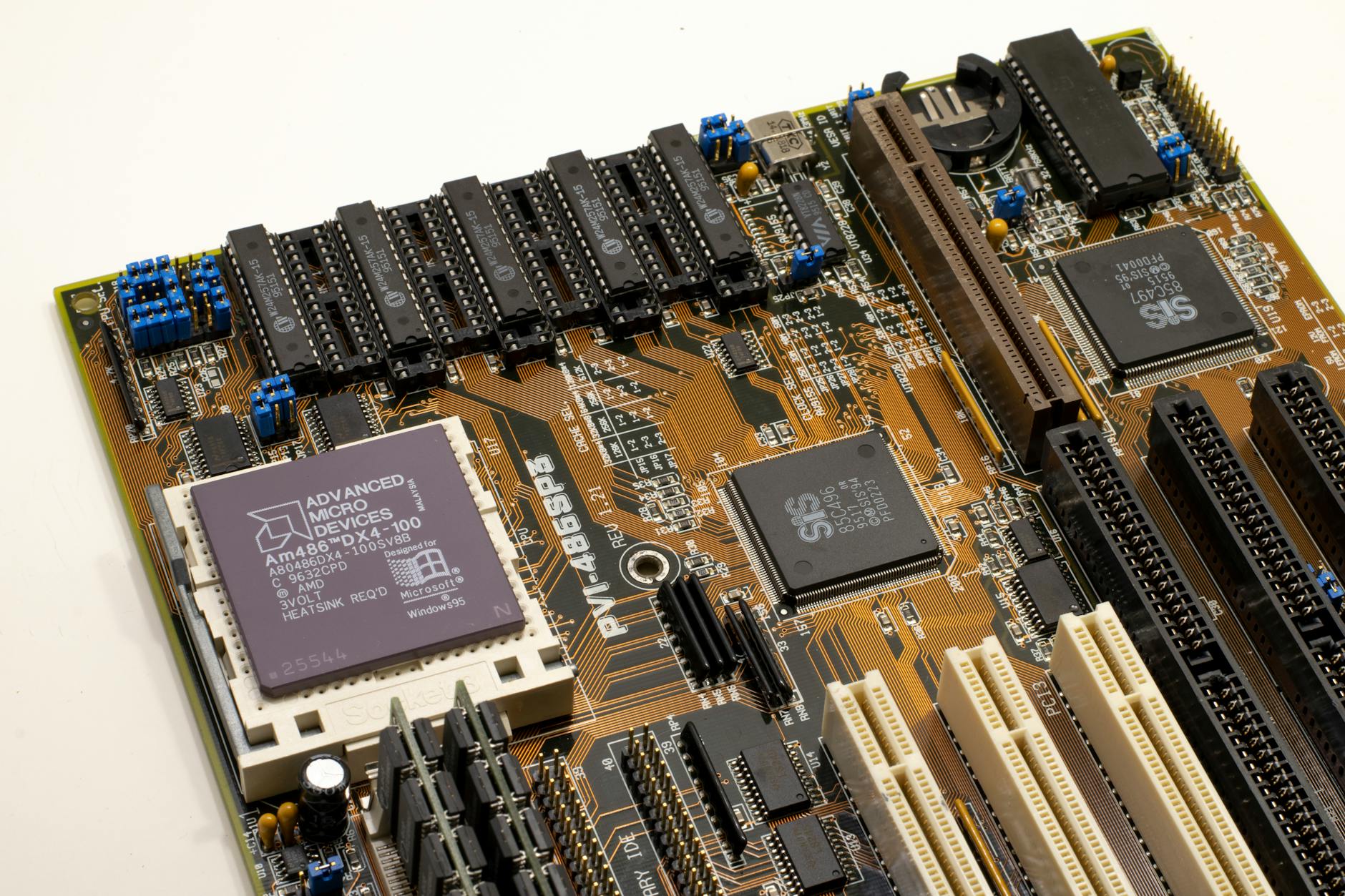
Intel and AMD have battled each other for CPU supremacy since the 1980s, engaging in fierce patent disputes, marketing wars, and technological one-upmanship that defined the personal computer era. Their rivalry intensified during the Pentium versus Athlon years, with each company leapfrogging the other in performance benchmarks and market share.
The decision to partner stems from a shared recognition that NVIDIA’s CUDA ecosystem has created an almost insurmountable moat around AI development. Developers worldwide have built their machine learning frameworks around NVIDIA’s proprietary software stack, making it extremely difficult for competitors to gain traction even with superior hardware.
“This isn’t about putting aside our competitive differences,” said a source familiar with the discussions. “This is about creating an alternative that benefits the entire industry.” The partnership will focus specifically on AI acceleration standards while maintaining fierce competition in traditional CPU markets.
Both companies bring complementary strengths to the alliance. Intel’s Xeon processors dominate enterprise data centers, while AMD’s recent gains in both consumer and server markets provide crucial momentum. Their combined market presence could create the critical mass needed to challenge NVIDIA’s ecosystem advantage.
The Technical Foundation of the Alliance
The partnership centers on developing OneAPI and ROCm compatibility layers that would allow AI developers to write code once and run it across Intel and AMD hardware without modification. This approach directly challenges NVIDIA’s CUDA monoculture by offering genuine hardware choice without software penalties.
Intel’s Arc GPUs and upcoming Ponte Vecchio data center accelerators will integrate with AMD’s Instinct MI series through shared software interfaces. The companies are reportedly working on unified memory management, standardized AI model formats, and cross-platform optimization tools that could significantly reduce development complexity.
The technical collaboration extends beyond software compatibility. Both companies are coordinating on industry standards for AI workload distribution, memory architectures, and interconnect technologies. This coordination could lead to data center designs that seamlessly blend Intel and AMD processors depending on specific workload requirements.
Early benchmarks suggest the combined ecosystem could match or exceed NVIDIA’s performance in specific AI tasks, particularly in mixed workloads that combine traditional computing with machine learning inference. The partnership’s success will largely depend on convincing software developers to adopt their unified programming model over NVIDIA’s established CUDA platform.
Industry Implications and Market Dynamics
The timing of this partnership coincides with growing industry concerns about NVIDIA’s market concentration. Cloud providers, enterprise customers, and government agencies have expressed unease about relying on a single vendor for critical AI infrastructure, especially as geopolitical tensions affect technology supply chains.
Major cloud providers are reportedly watching the Intel-AMD collaboration closely. Amazon Web Services, Microsoft Azure, and Google Cloud have significant investments in NVIDIA hardware, but they also maintain strategic relationships with both Intel and AMD for traditional computing workloads. A viable alternative to NVIDIA’s AI ecosystem could reshape data center procurement strategies across the industry.
The partnership also arrives as major tech companies announce joint initiatives to address shared industry challenges. Similar to how European automakers have formed alliances against dominant market players, this CPU coalition represents a strategic response to concentrated market power in critical technology segments.
Regulatory attention on AI market concentration has intensified globally, with particular focus on whether NVIDIA’s dominance stifles innovation or creates unfair competitive advantages. The Intel-AMD partnership provides regulators with evidence that market forces can generate alternative solutions without direct government intervention.
Challenges and Future Prospects
Despite the partnership’s potential, significant obstacles remain. NVIDIA’s software ecosystem represents years of development investment and optimization that cannot be replicated overnight. Thousands of AI researchers and developers have built their expertise around CUDA programming, creating substantial switching costs for any alternative platform.
The partnership must also navigate the complex relationship between collaboration and competition. Intel and AMD will continue competing aggressively in CPU markets while coordinating on AI acceleration standards. Managing this dual relationship requires careful coordination to avoid antitrust concerns while maximizing technical synergies.

Market adoption will depend heavily on software ecosystem development. The partnership needs to attract major AI framework developers like PyTorch and TensorFlow to optimize their platforms for the unified Intel-AMD environment. Without seamless integration with popular development tools, even superior hardware performance may not overcome NVIDIA’s ecosystem advantages.
The success of this unprecedented alliance could reshape the entire AI hardware landscape. If Intel and AMD can create a genuinely competitive alternative to NVIDIA’s platform, it would restore competitive balance to one of technology’s most critical markets. The partnership represents more than just business strategy – it’s a bet on whether collaboration between traditional rivals can challenge entrenched market dominance in the AI era.
As both companies prepare to unveil their joint development roadmap, the technology industry watches to see whether this rare alliance can deliver on its ambitious promise to democratize AI acceleration beyond NVIDIA’s current stranglehold.
Frequently Asked Questions
Why are Intel and AMD partnering after decades of competition?
Both companies recognize NVIDIA’s dominance in AI chips threatens their market position, making collaboration necessary to create viable alternatives.
How will this partnership challenge NVIDIA’s market position?
By developing unified software standards that allow AI developers to use Intel and AMD hardware without being locked into NVIDIA’s CUDA ecosystem.