

The Gap Between Demo Reels and Reality
Tesla’s Optimus robot has become a fixture of viral clips – dancing, tossing popcorn, pressing microwave buttons, dropping water bottles, failing at ironing – and CEO Elon Musk is calling it potentially “the biggest product ever built.” The gap between that claim and what robotics researchers actually see in their labs has never been wider.
What the Optimists Are Promising
Musk’s ambitions for Optimus are specific and sweeping. Speaking at Tesla’s shareholder meeting in July, he said the robot would eventually develop “human and then superhuman dexterity.” At the World Economic Forum in Davos in January, he told attendees that Optimus units could be available for public purchase by the end of 2027, priced as low as $20,000 each – cheap enough, he argues, to automate nearly everything from hauling sheet metal to folding laundry.
He’s not making that case alone. Marc Andreessen, cofounder and general partner at Andreessen Horowitz, has described robotics as potentially the “biggest industry in the history of the planet.” Jensen Huang, CEO of Nvidia, said in January that humanoid robots would reach human-level capability this year. Morgan Stanley’s projections extend further: the firm estimates that humanoid robots could number nearly 1 billion by 2050, generating a market worth more than $5 trillion.
The intellectual foundation beneath all of this optimism is a direct analogy to what happened with large language models. If AI trained on text and images could produce ChatGPT and Claude – systems that convincingly mimic human language – then a similar approach applied to physical movement should, theoretically, produce machines that mimic human motion. The logic feels clean. It’s also where researchers start pushing back hard.
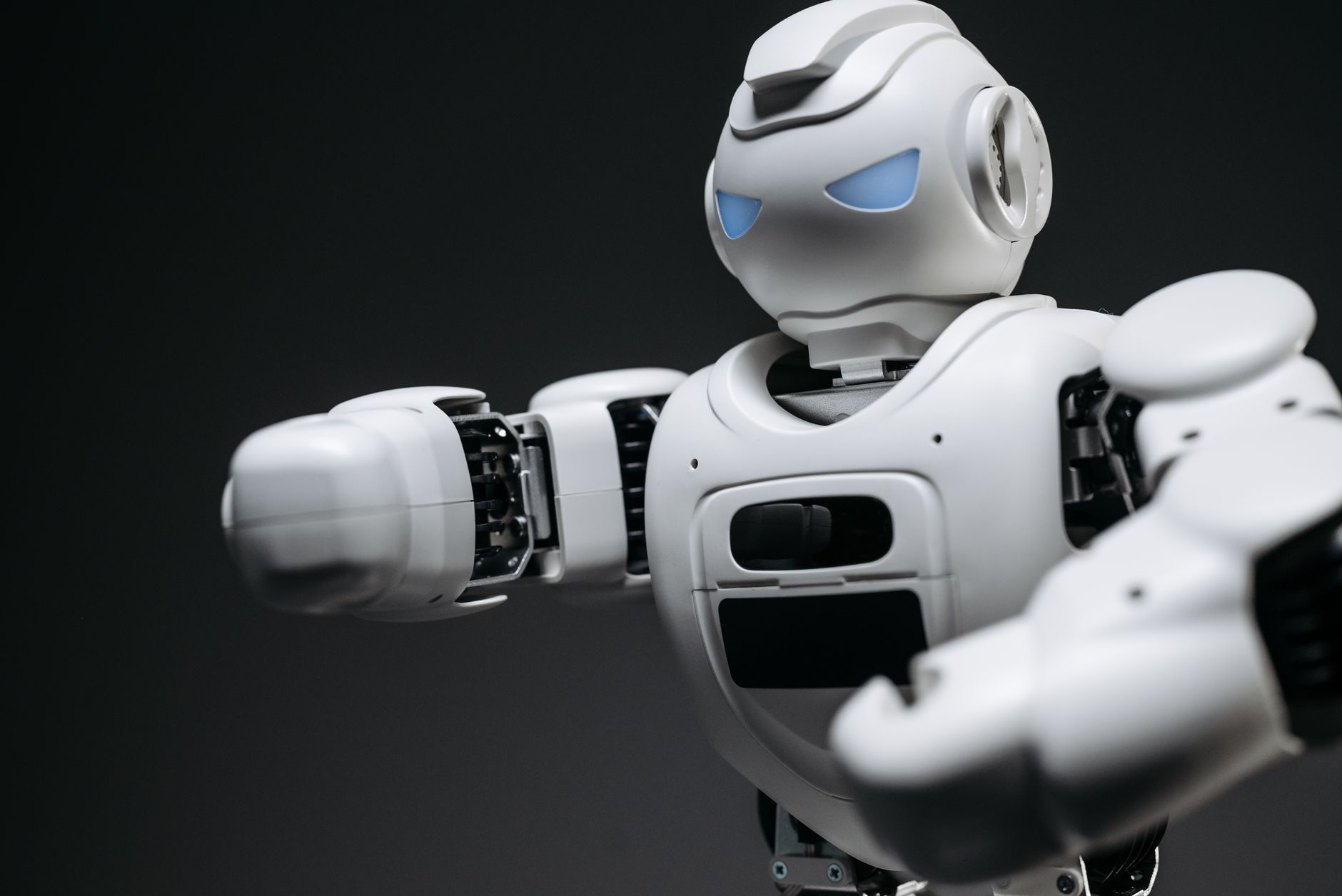
The challenge isn’t building a robot that looks like a person. Jonathan Hurst, cofounder and chief robot officer of Agility Robotics and a professor at Oregon State University, puts it plainly: “It’s very easy to make a robot that looks like a person. It is dramatically more difficult to make a machine that moves or behaves dynamically or physically like a person.” Appearance and capability are not the same thing, and the industry’s marketing has consistently conflated the two – treating humanoid form as evidence of humanoid function.
What the Skeptics Are Actually Saying
Yann LeCun – frequently described as one of the founding figures of modern AI – was also at Davos in January, and he was categorical: “None of those companies [building humanoid robots] – absolutely none of them – has any idea how to make those robots smart enough to be useful.” That’s not a hedge. It’s a direct challenge to the timeline projections coming from Musk, Huang, and their peers.
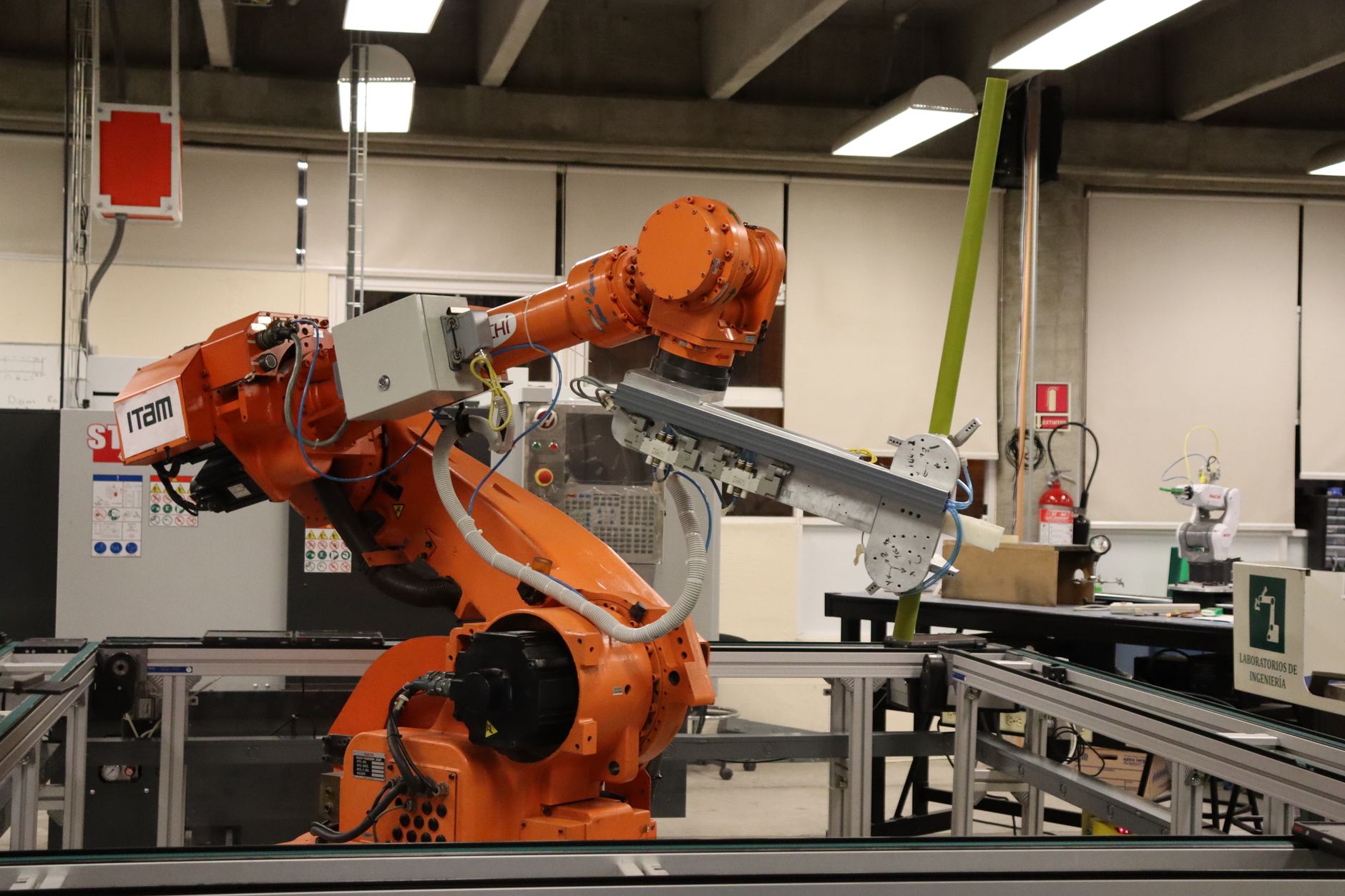
The skepticism among robotics researchers centers on a specific technical problem: language models and image generators were trained on the internet – an enormous, pre-existing corpus of human-produced text and visual data. Physical movement in the real world doesn’t have an equivalent. The number of ways a human hand can interact with an object, in varied lighting, on different surfaces, with different grip pressures, across unpredictable sequences of events, is effectively infinite. There’s no dataset for that, no archive of “every way a robot could drop a glass.”
This is why researchers draw a hard line between two things the public press often treats as synonymous. A humanoid robot – one shaped like a person – is an engineering choice about form factor. A generalist robot – one capable of learning and executing multiple tasks in uncontrolled environments – is a fundamentally different challenge. Some humanoid robots are generalists. Most are not. And the demos circulating online rarely make clear which category a given machine falls into.
The physical world does not offer the same compressed feedback loops that made language model training viable. When GPT-style systems make a mistake, they can be corrected on text at massive scale across millions of examples simultaneously. A robot making a mistake while picking up a cup makes exactly one mistake, recovers slowly if at all, and the data generated from that failure is expensive to collect and hard to generalize. Progress is real, but it runs on a different clock than software.
Inside robotics labs, the picture is one of incremental but meaningful advances – not the stagnation critics imply, but not the imminent revolution promoters are selling either. Researchers broadly agree that a moment comparable to the generative AI breakthrough of the early 2020s is plausible for robotics. They disagree sharply on when, and more importantly on whether the existing toolkit – the large model architectures, the training methods, the compute infrastructure – is sufficient to get there, or whether robotics needs something that doesn’t yet exist.
A Market Built Partly on Anticipation
What’s happening in the broader robotics industry right now reflects the same pattern seen in other technology sectors where capital and narrative run ahead of engineering reality. Morgan Stanley’s $5 trillion projection, Andreessen’s “biggest industry” framing, and Musk’s 2027 consumer launch date are all bets – not engineering assessments. They influence hiring, funding rounds, and public expectations in ways that can outlast the underlying technical progress for years.

Tesla’s Optimus remains, for the moment, most visible at Tesla-organized events where it hands out food and drinks – controlled environments with limited variables, curated camera angles, and a company with a strong financial interest in the impression it creates. Whether a robot that can navigate a Davos cocktail party can also navigate a factory floor full of novel objects, shifting layouts, and human coworkers who don’t announce their movements is the question that will define this decade for the industry – and it’s one that nobody who showed up in January had a real answer for.