




YouTube creators are discovering that Google’s Bard integration is revolutionizing how they approach content creation, from automated script generation to real-time audience engagement strategies. The AI-powered assistant has quietly become the secret weapon behind some of the platform’s most successful channels, transforming traditional workflows that once took hours into minutes.
Google rolled out Bard integration across YouTube Studio throughout 2024, giving creators direct access to conversational AI within their content management dashboard. The feature initially launched as an experimental tool for YouTube Partners but has since expanded to creators with over 1,000 subscribers. Unlike standalone AI tools, Bard’s integration pulls directly from YouTube’s analytics data, offering personalized suggestions based on channel performance and audience behavior patterns.
Script Generation and Content Ideation
Content creators are leveraging Bard’s integration to tackle writer’s block and streamline their production schedules. The AI analyzes trending topics within specific niches and generates script outlines tailored to each channel’s unique voice and audience preferences. Beauty YouTuber Emma Chamberlain’s team reportedly uses similar AI-assisted workflows to maintain her consistent upload schedule while preserving her authentic personality.
The integration goes beyond simple topic suggestions. Bard examines successful videos from similar channels, identifying patterns in structure, pacing, and engagement hooks. Creators can input basic concepts and receive detailed outlines complete with suggested timestamps for maximum retention. Tech reviewers have found particular success using Bard to structure complex product comparisons, with the AI organizing technical specifications into digestible segments.
Gaming content creators have embraced Bard’s ability to generate commentary scripts for long-form gameplay videos. The AI can analyze game mechanics and suggest talking points that align with audience interests, reducing the mental load on creators who previously relied entirely on improvisation. This has proven especially valuable for streamers transitioning their live content into edited YouTube videos.
Audience Analytics and Optimization
Bard’s integration with YouTube Analytics represents a significant leap forward in data interpretation for creators. The AI processes complex audience retention graphs, demographic breakdowns, and engagement metrics to provide actionable insights in plain language. Rather than manually analyzing spreadsheets of data, creators receive conversational summaries explaining why certain videos underperformed and specific recommendations for improvement.
The system identifies optimal upload times by analyzing audience activity patterns across different time zones and demographic segments. For international channels, this capability has proven invaluable in maximizing global reach without sacrificing performance in core markets. Lifestyle creators report significant improvements in view counts after implementing Bard’s timing recommendations.
Comment analysis through Bard integration has transformed how creators understand audience sentiment. The AI categorizes feedback into themes, highlighting recurring requests and concerns that might otherwise get lost in high-volume comment sections. This feature has enabled creators to identify content gaps and respond more strategically to community demands.

Production Workflow Enhancement
The integration extends beyond content planning into actual production workflows. Bard can generate SEO-optimized titles, descriptions, and tags based on current search trends and competitor analysis. The AI considers YouTube’s algorithm preferences while maintaining each channel’s established branding and tone.
Thumbnail optimization has become significantly more sophisticated with Bard’s assistance. The AI analyzes successful thumbnails within specific genres and suggests design elements, color schemes, and text overlays that historically drive higher click-through rates. While creators still handle the actual design process, Bard’s recommendations provide data-driven starting points.
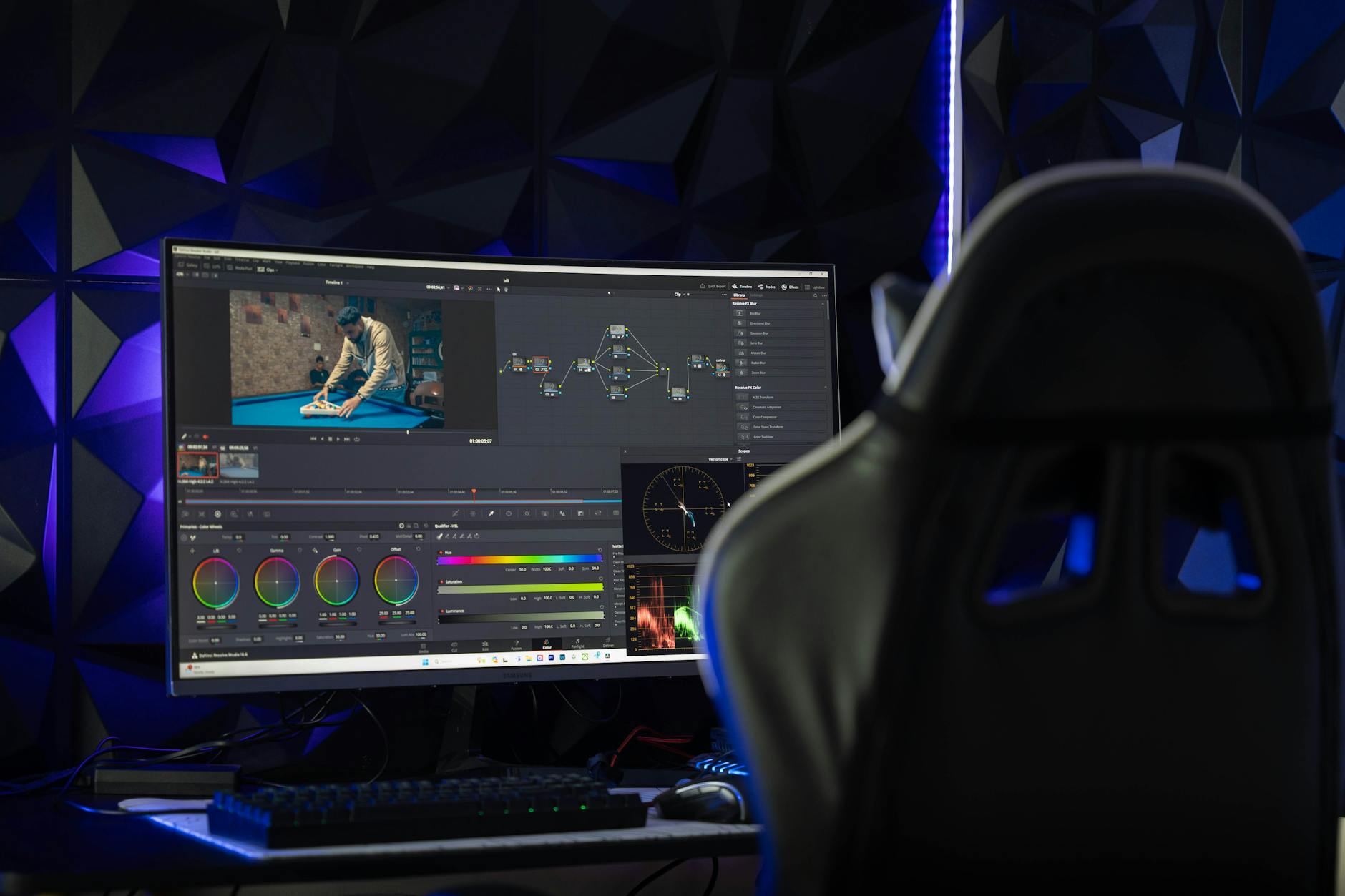
Video editing has also benefited from the integration, though indirectly. Bard can analyze transcripts from raw footage and suggest optimal cut points, highlight moments likely to generate clips for social media, and identify sections that might benefit from graphics or B-roll footage. This pre-editing analysis saves creators hours of review time during post-production.
The integration’s impact on productivity has been particularly pronounced for educational content creators. Science and technology channels use Bard to fact-check complex topics, generate simplified explanations for technical concepts, and suggest visual aids that enhance comprehension. This has enabled smaller educational channels to compete with larger production teams by leveraging AI assistance.
Real-Time Engagement and Community Building
Live streaming has undergone transformation through Bard’s real-time capabilities. The AI monitors chat activity during streams and suggests topics or questions that align with audience interests. This feature has proven especially valuable for talk shows and Q&A formats, where maintaining engaging conversation flow is crucial.
Community posts benefit from Bard’s understanding of platform-specific engagement patterns. The AI suggests poll questions, discussion topics, and announcement formats that historically generate higher interaction rates within each creator’s specific audience. This data-driven approach to community building has helped creators maintain stronger relationships with their subscribers between video uploads.
The integration also assists with crisis management and negative feedback situations. When controversial topics arise in comment sections, Bard can suggest diplomatic response strategies that acknowledge concerns while maintaining channel reputation. This guidance has proven particularly valuable for creators navigating sensitive subjects or public relations challenges.

The evolution of AI-assisted content creation mirrors broader technological shifts across digital platforms. Just as ChatGPT integration is transforming Microsoft Office productivity, Bard’s YouTube integration represents a fundamental change in how creators approach their craft. The technology democratizes access to sophisticated content strategy tools previously available only to large media companies.
Looking ahead, Google’s roadmap suggests even deeper integration between Bard and YouTube’s creator ecosystem. Planned features include AI-generated video summaries for accessibility, automated content translation for global audiences, and predictive analytics for long-term channel growth strategies. These developments position YouTube creators to compete more effectively in an increasingly crowded digital landscape while maintaining the authentic connections that define successful channels.
The transformation is still in early stages, but creators adapting to AI-assisted workflows are already seeing measurable improvements in efficiency and audience engagement. As the technology continues evolving, the line between human creativity and AI assistance will likely blur further, creating new possibilities for content innovation while preserving the personal touch that makes YouTube’s creator economy unique.
Frequently Asked Questions
How does Bard integration help YouTube creators with content ideas?
Bard analyzes trending topics and channel performance data to generate personalized script outlines and content suggestions tailored to each creator’s audience.
Can all YouTube creators access Bard integration features?
The integration is currently available to creators with over 1,000 subscribers, initially launching for YouTube Partners before expanding access.