




Spotify paid out over $7 billion to artists and rights holders in 2023, but a growing challenge threatens this carefully orchestrated system. AI-generated music is flooding streaming platforms at unprecedented rates, creating tracks that sound increasingly human while operating under murky copyright laws that leave royalty distribution in chaos.
The streaming giant processes millions of track uploads monthly, but its algorithms struggle to distinguish between human compositions and AI creations. This isn’t just a technical problem – it’s fundamentally reshaping how music royalties flow through the industry’s financial ecosystem.
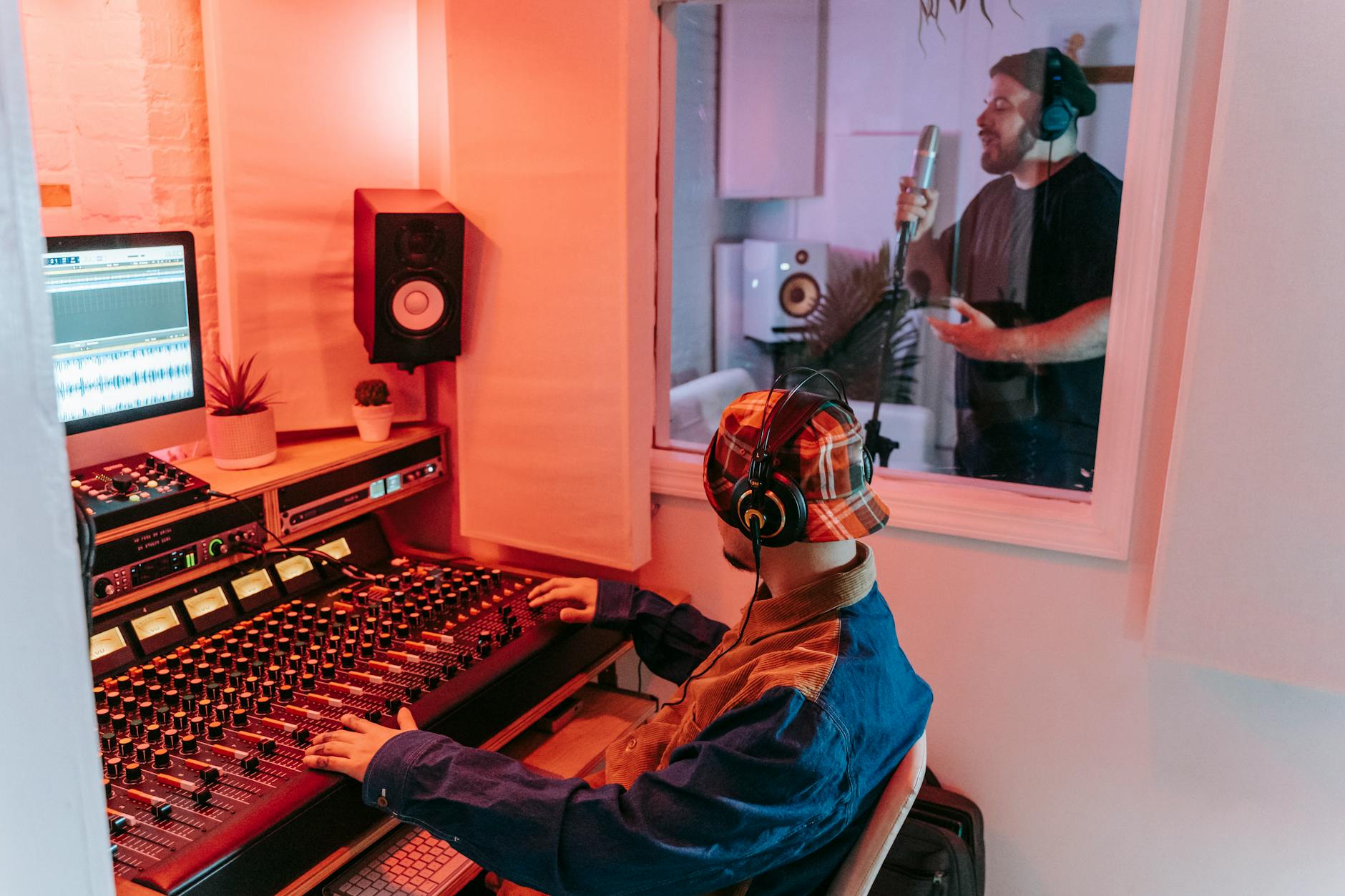
The Scale of AI Music Invasion
Major streaming platforms report exponential growth in AI-generated content submissions. Independent distributors like DistroKid and CD Baby have seen AI music uploads increase by over 300% since early 2023, with some tracks achieving millions of streams before platforms identify their artificial origins.
These AI compositions range from ambient background music to full pop songs complete with synthesized vocals. Companies like Boomy and AIVA allow users to generate thousands of tracks with minimal musical knowledge, then distribute them across streaming services. The barrier to entry has essentially disappeared.
“We’re seeing creators upload hundreds of AI tracks weekly,” says a source familiar with digital distribution platforms. “Some generate entire albums in hours, flooding genres like lo-fi hip-hop and ambient music where listeners are less likely to notice artificial elements.”
The problem extends beyond individual creators. Some operations appear designed to game streaming algorithms, creating vast catalogs of AI music optimized for playlist placement and passive listening scenarios where song quality matters less than availability.
Royalty Chaos and Payment Disputes
Traditional music royalties operate on established frameworks: songwriters, performers, and rights holders receive predetermined splits based on publishing agreements and performance rights. AI music shreds this system by introducing questions that current copyright law doesn’t adequately address.
Who owns an AI-generated melody trained on millions of existing songs? If an AI system creates music using patterns learned from copyrighted works, do original artists deserve compensation? These aren’t theoretical concerns – they’re creating real payment disputes worth millions of dollars.
Spotify’s current royalty system assumes human creativity behind every track. When AI music earns streaming revenue, those payments still flow to whoever uploaded the content, regardless of the creation method. This means AI-generated tracks can earn royalties while potentially infringing on countless human artists whose work trained the AI systems.
Some artists have discovered their distinctive styles replicated by AI generators, creating tracks that earn streaming revenue while offering no compensation to the original creators who influenced the AI training data. The legal framework simply hasn’t caught up to this technological reality.
Performance rights organizations like ASCAP and BMI face unprecedented challenges tracking and distributing royalties for AI content. Their databases weren’t designed to handle music with unclear authorship or ownership structures that involve training algorithms rather than traditional songwriting credits.
Platform Response and Detection Efforts
Streaming services are scrambling to develop detection systems for AI-generated content. Spotify has invested heavily in audio fingerprinting technology and machine learning models that identify artificial vocals and instrumentals, but the technology remains imperfect.
The company has quietly removed thousands of suspected AI tracks, but this creates new problems. False positives can damage legitimate artists’ careers, while sophisticated AI music increasingly passes detection systems. Some AI-generated content now includes subtle imperfections specifically designed to fool automated detection.
Other platforms take different approaches. YouTube Music relies heavily on user reporting and manual review, while Apple Music reportedly uses proprietary audio analysis tools developed internally. None have achieved reliable, scalable solutions.
The challenge resembles earlier battles against streaming fraud, where bad actors manipulated play counts through bot networks. But AI music presents a more complex problem because the content itself isn’t fraudulent – it’s simply created through non-traditional means that existing systems can’t properly categorize or compensate.
Similar technological disruptions are reshaping other industries, as seen with AI systems beginning to power corporate legal document analysis, demonstrating how artificial intelligence continues challenging established professional frameworks.
Industry Response and Legal Battles
Major record labels have started filing lawsuits against AI music companies, claiming copyright infringement through unauthorized use of their catalogs for training data. Universal Music Group, Sony Music, and Warner Music have all initiated legal action against various AI platforms.
These cases will likely establish crucial precedents for AI-generated content across creative industries. The outcomes could determine whether AI training on copyrighted material constitutes fair use or requires licensing agreements with rights holders.
Meanwhile, some artists embrace AI as a creative tool while maintaining human oversight and ownership. These hybrid approaches may represent the industry’s future, combining AI efficiency with human creativity and clear copyright ownership.
Professional songwriter organizations advocate for mandatory disclosure requirements, arguing that AI-generated music should be clearly labeled to ensure transparent royalty distribution. They propose creating separate royalty categories for AI content, potentially at reduced rates compared to human-created music.

The streaming economy faces a fundamental reckoning. Current models assume scarcity in music creation, but AI eliminates that scarcity while potentially undermining the human creativity that streaming services were built to monetize and reward.
Industry observers expect major changes within the next two years. New regulations, updated copyright laws, and platform policy changes will likely reshape how AI music integrates into streaming ecosystems. The outcome will determine whether artificial intelligence enhances human creativity or replaces it entirely within the music industry’s economic structure.
As AI capabilities continue advancing across multiple sectors, the music industry’s response to this challenge may establish important precedents for how society balances technological innovation with creative compensation. The resolution will likely influence how other creative industries adapt to AI disruption in their own domains.
Frequently Asked Questions
How does AI-generated music affect Spotify royalties?
AI music creates payment disputes because current royalty systems assume human creators, leaving questions about ownership and compensation unresolved.
Can Spotify detect AI-generated music?
Spotify uses audio fingerprinting and machine learning for detection, but sophisticated AI music increasingly passes these systems.