



Private schools across the United States are quietly implementing AI tutoring systems that work alongside human teachers, with some institutions reporting improved student outcomes and personalized learning experiences. While the technology hasn’t replaced teachers entirely, it’s transforming how education is delivered in these premium academic environments.
At The Branson School in California, students now spend portions of their day working with AI tutoring platforms that adapt to their individual learning pace. The system tracks student progress in real-time, identifying knowledge gaps and adjusting difficulty levels automatically. Similar implementations are appearing at elite institutions from Phillips Academy in Massachusetts to The Bishop’s School in San Diego.

The Rise of Adaptive Learning Platforms
AI tutoring systems have evolved far beyond simple quiz programs. Today’s platforms use machine learning algorithms to analyze student responses, learning patterns, and comprehension rates. These systems can identify when a student struggles with specific concepts and provide targeted practice problems or alternative explanations.
Carnegie Learning, one of the leading providers of AI-powered educational software, reports that their platform is now used by over 600,000 students nationwide. The system combines cognitive science research with machine learning to create personalized learning paths for each student.
Khan Academy’s AI tutoring features have also gained traction in private schools. The platform’s GPT-powered tutor, called Khanmigo, guides students through problems step-by-step without providing direct answers. Instead, it asks leading questions that help students discover solutions independently.
These AI systems excel at providing immediate feedback, something human teachers often struggle to deliver in classroom settings with multiple students. When a student makes an error in algebra or misunderstands a historical concept, the AI can instantly provide correction and additional practice materials.
Cost-Effective Personalization
Private schools are finding that AI tutoring offers a cost-effective way to provide personalized attention that was previously only available through expensive one-on-one human tutoring. While elite boarding schools might charge upwards of $60,000 per year, adding AI tutoring systems represents a fraction of that cost while extending learning opportunities.
At Sidwell Friends School in Washington, D.C., administrators report that AI tutoring has allowed them to offer advanced mathematics and science courses to smaller groups of students who might not have had access to specialized instruction otherwise. The AI can handle foundational review and practice, freeing human teachers to focus on complex problem-solving and creative thinking exercises.
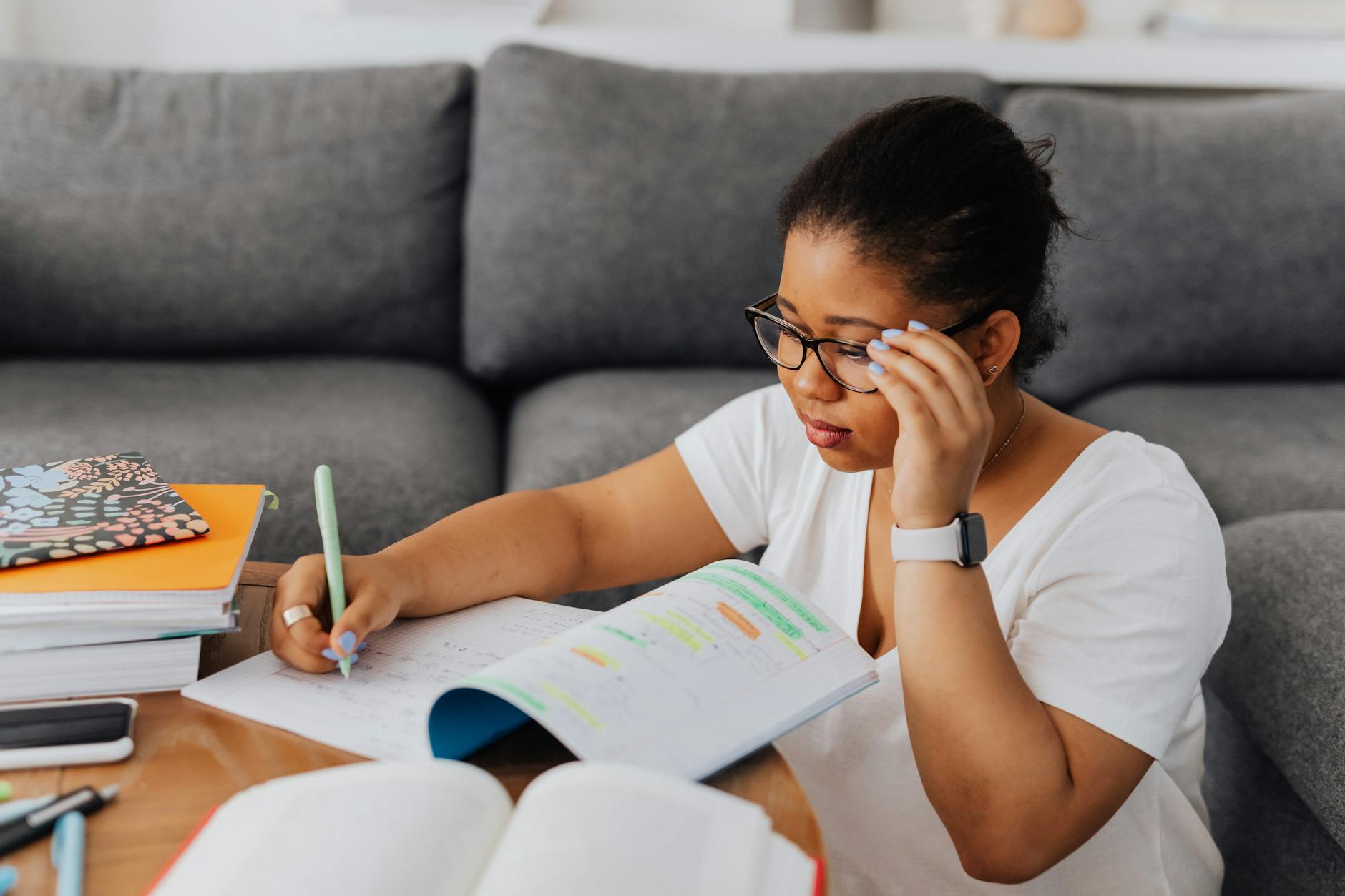
The technology is particularly effective for subjects that require repetitive practice, such as mathematics, language learning, and standardized test preparation. Students can work with AI tutors during study halls, after school, or even at home, extending learning beyond traditional classroom hours.
Some schools are using AI tutoring to support students with learning differences. The technology can adjust reading speeds, provide audio support, or break down complex instructions into smaller steps. This level of customization would require significant human resources to achieve manually.
Teacher Adaptation and New Roles
Rather than eliminating teaching positions, many private schools are finding that AI tutoring is changing how human educators spend their time. Teachers report spending less time on repetitive explanations and basic skill drilling, instead focusing on higher-level discussions, creative projects, and emotional support for students.
At The Collegiate School in Virginia, math teachers now use AI tutoring data to identify which students need additional support before problems become significant. The system’s analytics help teachers understand class-wide trends and individual student needs more effectively than traditional assessment methods.
Professional development programs are helping teachers integrate AI tools into their existing curricula. Organizations like the International Society for Technology in Education offer training on how educators can work effectively alongside AI systems rather than compete with them.
Some teachers have become AI learning coordinators, helping students navigate different platforms and interpreting the data these systems generate. This role combines traditional teaching skills with technology management and data analysis.
The transition hasn’t been without challenges. Some educators express concerns about losing the human connection that defines effective teaching. Others worry about students becoming overly dependent on AI assistance for problem-solving.
Student Outcomes and Future Implications
Early data from schools implementing AI tutoring shows promising results. Students often demonstrate improved performance on standardized tests and report feeling more confident in subjects where they previously struggled. The immediate feedback and adaptive difficulty levels help maintain student engagement longer than traditional worksheets or textbooks.
However, educational researchers caution against viewing AI tutoring as a complete solution. Social-emotional learning, critical thinking development, and creative expression still require human guidance and interaction. The most successful implementations combine AI efficiency with human wisdom and empathy.

As ChatGPT Enterprise adoption surges among Fortune 1000 companies, the education sector is following suit with sophisticated AI implementations. Private schools are positioning themselves as testing grounds for educational technologies that may eventually reach public school systems.
The trend toward AI tutoring in private schools reflects broader changes in how premium educational institutions differentiate themselves. Rather than simply offering smaller class sizes, these schools are leveraging technology to provide truly personalized learning experiences that adapt to each student’s needs and learning style.
Looking ahead, the most successful private schools will likely be those that find the optimal balance between AI efficiency and human connection, creating educational environments where technology enhances rather than replaces the fundamental relationships that drive learning and personal growth.
Frequently Asked Questions
Are AI tutors completely replacing human teachers in private schools?
No, AI tutors are working alongside human teachers to enhance personalized learning while teachers focus on higher-level instruction and emotional support.
What subjects work best with AI tutoring systems?
Mathematics, language learning, and standardized test preparation show the strongest results due to their repetitive practice requirements.