



Adobe’s grip on photo editing is loosening. After decades of Photoshop dominance, artificial intelligence tools are democratizing professional image editing in ways that would have seemed impossible just five years ago. Social media influencers, small business owners, and even professional photographers are discovering they can achieve stunning results without mastering complex layer systems or spending years learning keyboard shortcuts.
The shift represents more than just new software-it signals a fundamental change in how we approach visual creativity. Traditional Photoshop skills that took months to master are now executed with simple text prompts and one-click corrections.
The Rise of One-Click Professional Results
Modern AI photo editors like Canva’s Magic Eraser, Luminar Neo, and Adobe’s own Firefly integration deliver results that rival seasoned professionals. These tools analyze images in milliseconds, understanding context, lighting, and composition in ways that would challenge even experienced editors.
Take background removal, once a painstaking process requiring precise masking and feathering. AI tools now identify subjects with startling accuracy, cleanly separating foreground from background regardless of hair texture, transparency, or complex edges. What previously required 30 minutes of careful work happens instantly.
Color grading presents another dramatic example. Professional colorists spend years developing an eye for subtle tonal adjustments. AI systems analyze thousands of professionally graded images, learning patterns that human eyes might miss. They can instantly suggest mood-appropriate color schemes or match the aesthetic of reference images.
Portrait retouching showcases perhaps the most striking advancement. Traditional beauty retouching demanded understanding facial anatomy, skin texture, and lighting principles. AI portrait tools automatically detect and correct blemishes while preserving natural skin texture-a balance that stumps many traditional editors.
Industry Response and Professional Adaptation
Professional photographers and designers are adapting their workflows rather than resisting the change. Many now use AI for time-consuming basics-background removal, initial color correction, noise reduction-then apply their expertise to creative direction and final polish.
Wedding photographer Sarah Chen from Los Angeles reports cutting her editing time by 60 percent. “I used to spend entire weekends processing a single wedding. Now AI handles the technical corrections, and I focus on the storytelling aspects that clients actually value.”
Commercial studios are restructuring their pricing models. Tasks that previously justified hourly rates now happen automatically. Instead, professionals emphasize consultation, creative concept development, and complex composite work that still requires human judgment.
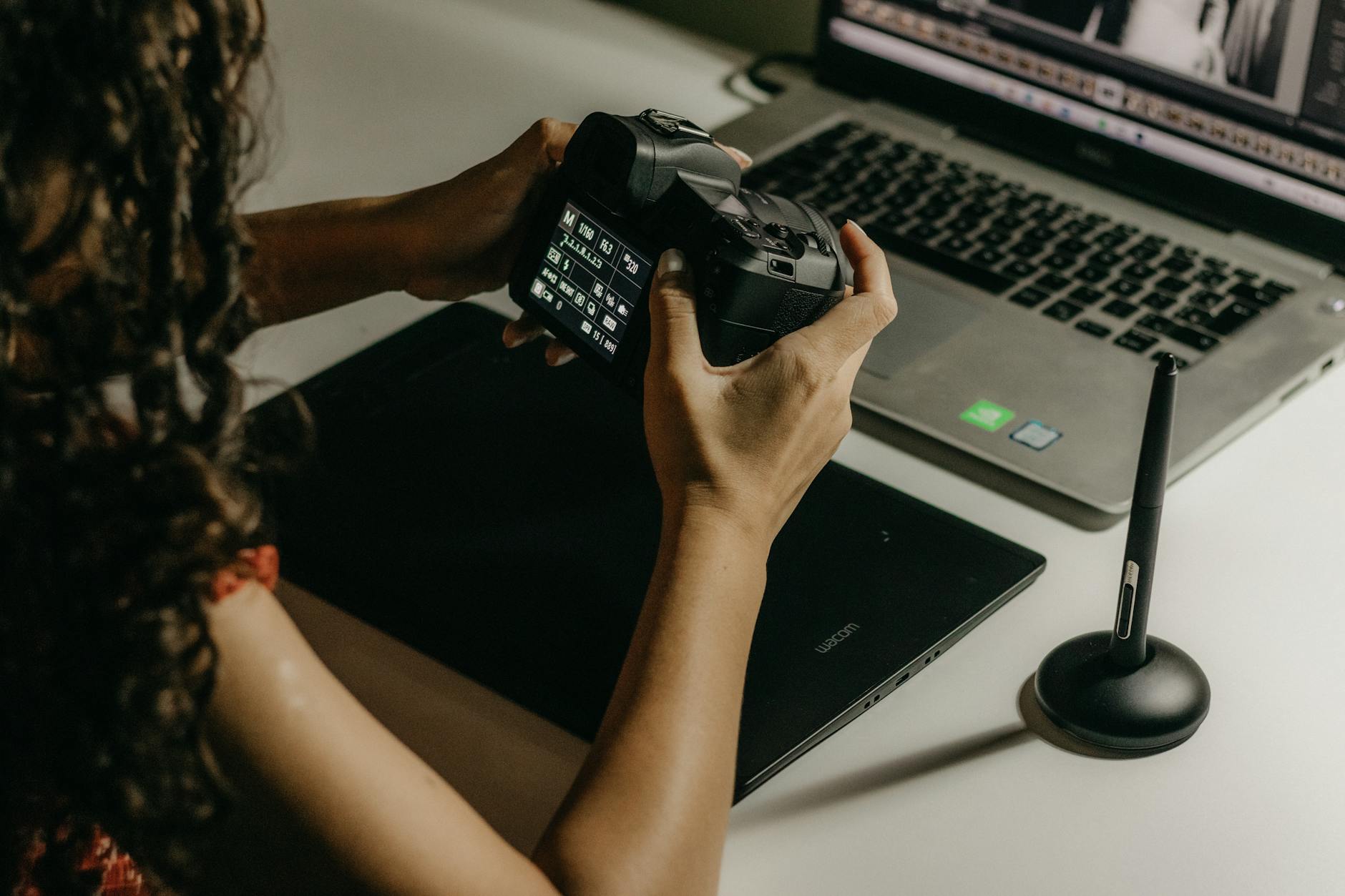
The learning curve for new professionals has flattened dramatically. Photography students who once spent semesters mastering Photoshop basics can now produce professional-quality edits within weeks of picking up a camera. This accessibility is creating new competition but also expanding the overall market for visual content.
Technical Capabilities Reshaping the Field
Current AI photo editing capabilities extend far beyond simple filters. Object-aware editing allows users to select and modify specific elements-changing a red car to blue while maintaining realistic reflections and shadows. Sky replacement tools analyze lighting conditions and automatically match new skies to the scene’s perspective and illumination.
Content-aware fill has evolved from Adobe’s original implementation to sophisticated reconstruction that can remove large objects or crowds from images while seamlessly rebuilding backgrounds. The technology understands architectural patterns, natural textures, and perspective in ways that produce convincing results without manual intervention.
Advanced features like style transfer allow users to apply the aesthetic of famous photographers or art movements with single clicks. An amateur can instantly achieve the moody tones of film noir or the vibrant saturation of Instagram’s most popular accounts.
Real-time processing represents another breakthrough. Many AI tools provide live previews as users adjust sliders, showing the final result before committing to changes. This immediate feedback loop accelerates learning and experimentation in ways traditional software never allowed.
Similar to how AI-powered code review tools are replacing senior developers in software development, photo editing AI is handling technical execution while humans focus on creative vision and strategic decisions.
Market Impact and Future Implications
The democratization of photo editing is reshaping entire industries. Small businesses that couldn’t afford professional photography services can now create compelling marketing materials in-house. E-commerce sellers can produce product images that compete with major retailers without hiring specialized photographers.
Stock photography faces particular pressure. AI-generated images can now fulfill many commercial needs previously requiring human photographers and models. While ethical considerations around consent and representation remain complex, the economic impact on traditional stock providers is undeniable.

Educational institutions are updating curricula to emphasize creative thinking over technical execution. Design programs now teach AI prompt engineering and tool selection alongside traditional composition principles. The focus shifts from “how to execute” to “what to create.”
The accessibility revolution extends globally. Creators in developing markets can now compete professionally without expensive software licenses or years of training. This leveling effect could reshape the geographic distribution of creative work in the coming decade.
Professional photo editing as a distinct skillset may evolve into something more strategic-combining technical AI knowledge with creative direction, client management, and visual storytelling. The future belongs to those who can envision compelling images and orchestrate AI tools to achieve those visions, rather than those who’ve memorized Photoshop menus.
As these tools continue advancing, the line between amateur and professional results will blur further. The real differentiator may become creative vision and client relationships rather than technical proficiency-a shift that could make visual creativity more accessible while challenging traditional professional boundaries.
Frequently Asked Questions
Can AI photo editors really replace Photoshop skills?
AI tools now handle many technical tasks automatically, but creative vision and complex compositing still benefit from human expertise.
Are AI photo editors suitable for professional work?
Yes, many professionals now use AI for basic corrections while focusing their time on creative direction and client-specific needs.