




Overview: The Rise of AI-Powered Code Review
Software development teams worldwide are discovering that artificial intelligence can scrutinize code with unprecedented speed and accuracy. Tools like GitHub Copilot, Amazon CodeGuru, and DeepCode are transforming how developers approach quality assurance, catching bugs that human reviewers frequently miss while processing thousands of lines in seconds rather than hours.
Traditional code review involves senior developers manually examining pull requests, checking for security vulnerabilities, performance issues, and adherence to coding standards. This process typically takes 2-4 hours per review and creates bottlenecks in development pipelines. AI code review tools promise to eliminate these delays while maintaining or improving code quality.
The technology leverages machine learning models trained on millions of code repositories, enabling these systems to recognize patterns, identify anomalies, and suggest improvements based on best practices across the software industry. Major tech companies including Microsoft, Google, and Meta have already integrated AI code review into their development workflows, reporting significant productivity gains.
The Promise: Speed and Consistency at Scale
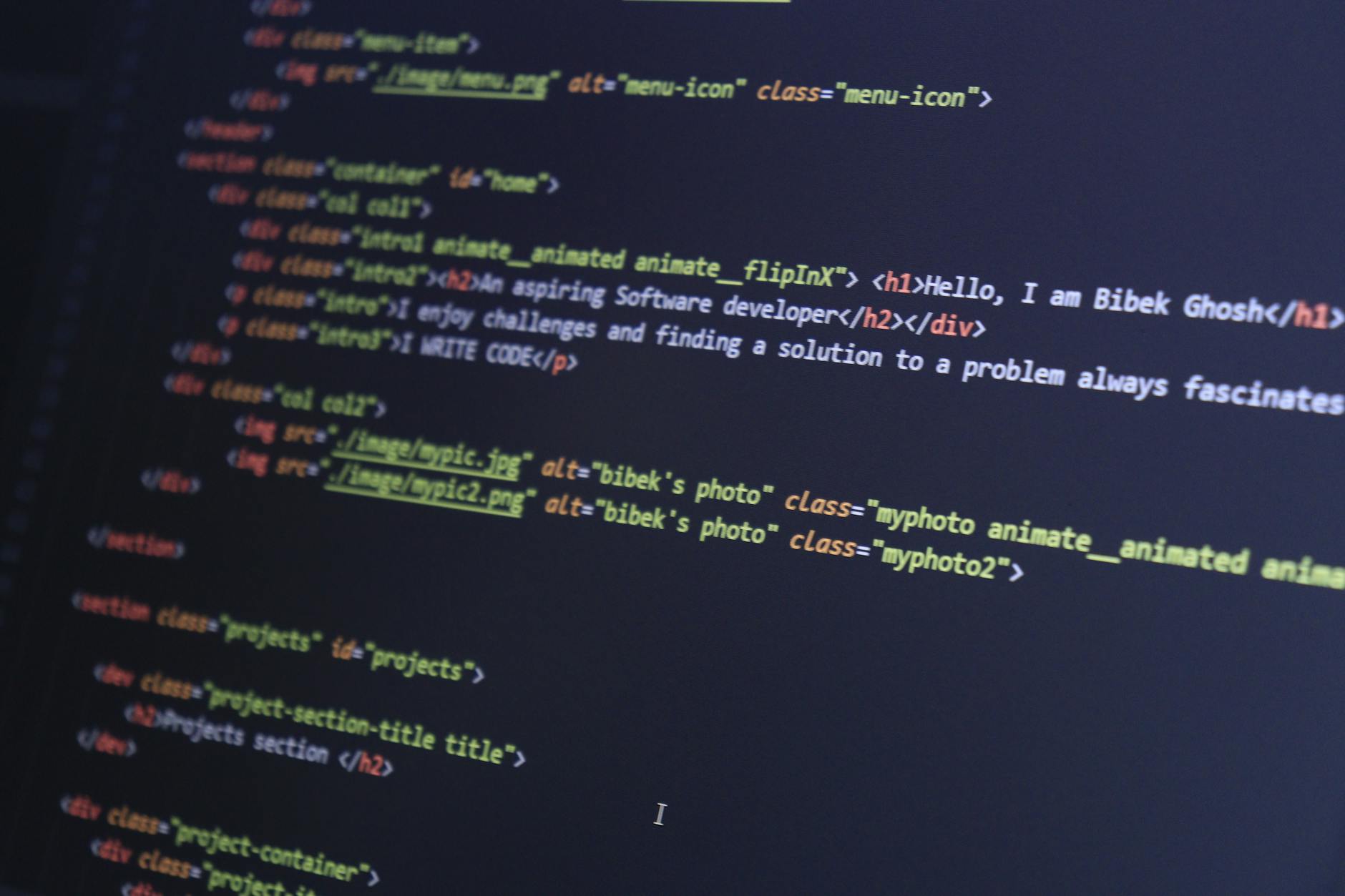
AI code review tools excel where human reviewers struggle most: consistency and speed. While a human reviewer might overlook subtle security flaws during late-night code reviews or apply different standards across similar code bases, AI systems maintain unwavering attention to detail regardless of time or workload.
GitHub Copilot’s code analysis features can process entire repositories in minutes, flagging potential issues from SQL injection vulnerabilities to memory leaks. The tool integrates directly into popular IDEs like Visual Studio Code, providing real-time feedback as developers write code rather than waiting for formal review cycles.
Amazon CodeGuru takes this further by analyzing application performance in production environments, identifying inefficient database queries and recommending optimizations that human reviewers might never consider. The service reportedly helped one financial services company reduce Lambda function costs by 30% through automated performance recommendations.
These tools also democratize code quality across development teams. Junior developers gain access to the same level of code analysis that previously required years of experience to develop, while senior developers can focus on architectural decisions rather than hunting for syntax errors.
Enhanced Security Detection
Security vulnerabilities represent one area where AI tools significantly outperform human reviewers. Tools like SonarQube and Snyk use machine learning to identify security patterns across thousands of known vulnerability databases, catching issues that might escape even experienced security engineers.
The OWASP Top 10 security risks – including injection attacks, broken authentication, and cross-site scripting – are precisely the types of systematic vulnerabilities where AI excels. These tools can trace data flow through complex applications, identifying potential attack vectors that require extensive manual analysis to discover.
The Reality: Limitations and False Positives
Despite impressive capabilities, AI code review tools struggle with context and nuance that human reviewers handle intuitively. These systems frequently generate false positives, flagging legitimate code patterns as problematic while missing subtle logical errors that don’t match known vulnerability signatures.
A significant limitation involves understanding business logic. AI tools can identify that a function performs inefficient database queries but cannot determine whether this inefficiency is acceptable given specific business requirements or if the function runs infrequently enough that optimization isn’t worthwhile.

Context switching represents another challenge. While AI can analyze individual functions or files effectively, understanding how code changes impact broader system architecture requires human insight. A seemingly minor modification might have cascading effects across microservices that AI tools cannot fully comprehend.
Integration complexity also poses practical barriers. Organizations with legacy codebases or custom development frameworks often find AI tools require extensive configuration before providing useful feedback. The initial setup can take weeks and may require specialized knowledge that smaller development teams lack.
The Human Element Cannot Be Eliminated
Code review serves purposes beyond bug detection. Senior developers use review processes to mentor junior team members, share domain knowledge, and maintain coding standards that reflect company culture and project requirements. AI tools cannot replicate these collaborative aspects of the review process.
Creative problem-solving remains exclusively human territory. When AI flags a performance issue, it might suggest generic optimizations, but human reviewers can propose innovative solutions that consider the specific application context, user needs, and future scalability requirements.
Implementation Challenges and Team Dynamics
Organizations implementing AI code review tools often encounter resistance from development teams who view automation as a threat to job security. Successful implementations require careful change management and clear communication about how AI augments rather than replaces human expertise.
Training overhead presents another consideration. While AI tools promise to reduce review time, teams must invest significant effort learning to interpret AI-generated feedback, configure tools for their specific environments, and develop workflows that effectively combine automated and human review processes.
Cost considerations vary significantly across tools and team sizes. Enterprise-grade AI code review platforms can cost thousands of dollars monthly, while open-source alternatives may require substantial internal development effort to implement effectively.
Industry Adoption and Real-World Results
Major technology companies report impressive results from AI code review implementations. Microsoft teams using GitHub Copilot report 25% faster pull request completion times, though these gains come primarily from reduced time spent on routine tasks rather than complete replacement of human reviewers.
Smaller organizations show more mixed results. Startups with limited senior developer resources often find AI tools help maintain code quality as they scale rapidly, while established companies with mature review processes may see fewer immediate benefits.
The integration of AI tools with existing productivity platforms follows broader trends in workplace automation. Just as ChatGPT integration is transforming Microsoft Office productivity, AI code review represents part of a larger shift toward AI-assisted professional workflows.
Verdict: Augmentation, Not Replacement
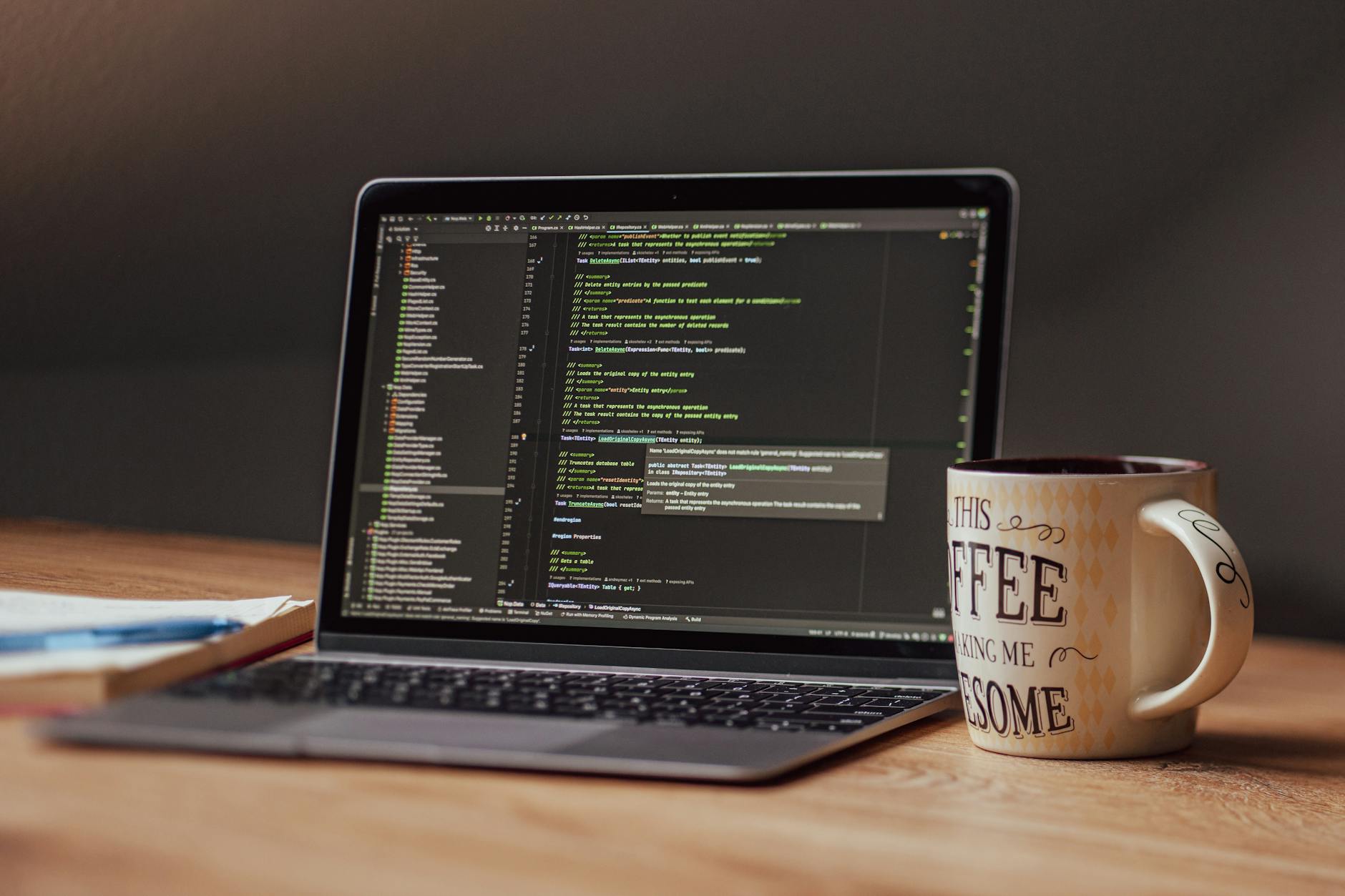
AI code review tools excel as force multipliers for development teams rather than wholesale replacements for human expertise. These systems provide exceptional value for routine tasks: catching common security vulnerabilities, enforcing coding standards, and identifying performance optimizations that follow established patterns.
The most effective implementations treat AI tools as junior developers requiring supervision rather than senior reviewers making final decisions. Teams that combine AI-generated insights with human oversight achieve the best results, leveraging automation for speed while maintaining human judgment for context and creativity.
For organizations considering implementation, start with specific use cases where AI tools show clear advantages: security scanning, style consistency, and basic performance analysis. Gradually expand usage as teams develop confidence and workflows that effectively integrate automated feedback.
The future likely holds deeper AI integration in development workflows, but human developers remain essential for architectural decisions, complex problem-solving, and the collaborative aspects of software development that extend far beyond code quality. AI code review tools represent powerful additions to the developer toolkit, not replacements for the developers themselves.
Frequently Asked Questions
Can AI code review tools completely replace human developers?
No, AI tools excel at routine tasks but require human oversight for context, creativity, and complex architectural decisions.
What are the main benefits of AI code review tools?
They provide consistent, fast analysis of security vulnerabilities, coding standards, and performance issues across large codebases.