



Google’s Latest Energy Play Goes All-In on Solar
Google has agreed to purchase the full electrical output of a major solar project, directing that clean energy specifically toward offsetting the fossil fuel emissions generated by its data centers. The deal marks a direct financial commitment to sourcing renewable power at scale, rather than relying on carbon credits or partial offsets.
The arrangement gives Google exclusive claim to every kilowatt-hour the solar farm produces – a structure that differs significantly from the more common approach of buying renewable energy certificates while still drawing from a mixed grid. For a company whose data center footprint continues to expand alongside rising demand for AI workloads, locking in a dedicated clean energy supply has clear operational logic.
What the Deal Actually Covers
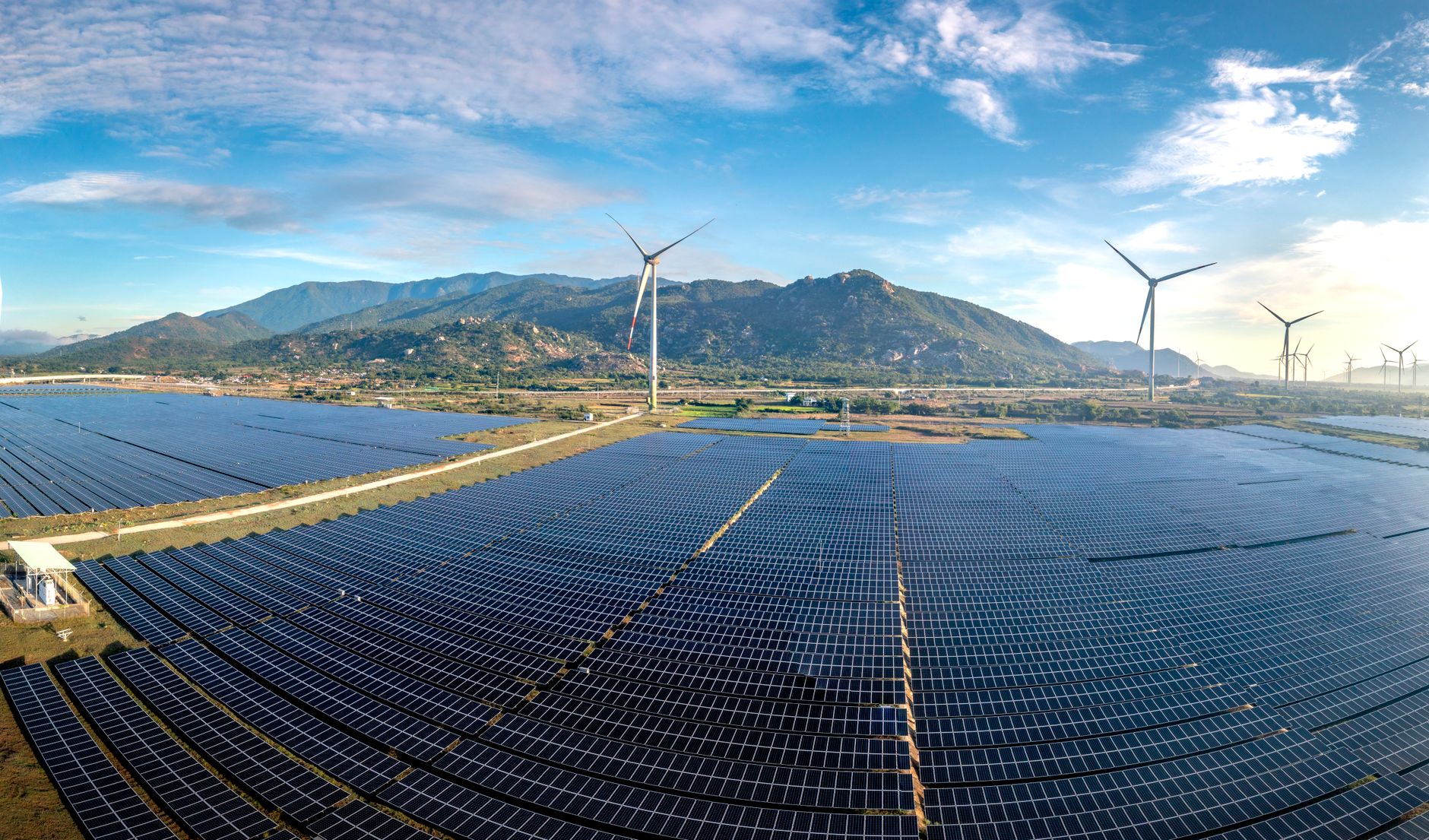
The solar project in question is the Steel River Energy facility located in Arkansas. Google’s purchase agreement covers the entirety of that farm’s output, meaning no portion of its generation goes to other buyers. That exclusivity is the headline feature of the arrangement – Google isn’t simply contributing to a shared renewable pool, it’s absorbing the whole supply.
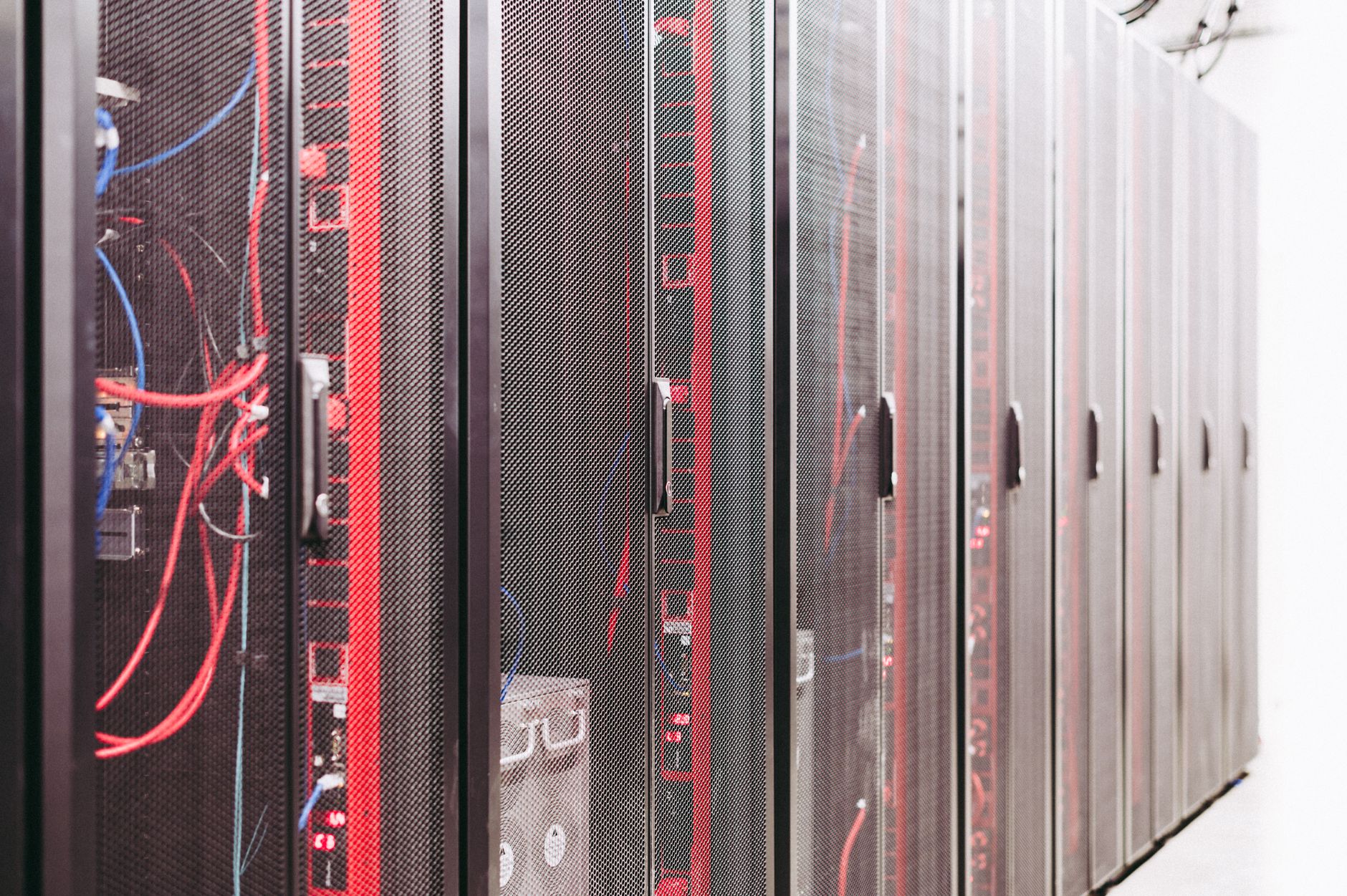
Data centers are among the most energy-intensive facilities in modern infrastructure. Servers run continuously, cooling systems operate around the clock, and the electricity draw is constant and substantial. Google has publicly committed to operating on 24/7 carbon-free energy by 2030, meaning clean power matched to consumption hour by hour rather than averaged over a year. A deal like Steel River moves that needle by adding dedicated generation capacity tied directly to the company’s consumption obligations.
The fossil fuel emissions Google is working to offset originate primarily from grid power that isn’t carbon-free. In regions where the local grid still relies heavily on coal or natural gas, drawing electricity from that mix produces indirect emissions. Purchasing the output of a dedicated solar facility allows Google to claim an equivalent volume of clean generation against those emissions, at least on paper and in aggregate terms.
Solar farms in Arkansas benefit from the state’s solar irradiance levels, which are reasonable for utility-scale generation, though not as high as projects in the American Southwest. The choice of location likely reflects a combination of land availability, grid interconnection access, and proximity to Google’s existing or planned infrastructure in the region. Arkansas has seen growing interest from data center operators partly because of relatively lower land and energy costs.
The Broader Pattern of Big Tech Energy Buying
Google is not alone in pursuing these arrangements. Microsoft, Amazon, and Meta have all signed large-scale renewable power purchase agreements in recent years, each racing to demonstrate progress on sustainability commitments while simultaneously expanding computing capacity at a rate that makes those commitments harder to meet.
The tension is real. AI model training and inference require enormous amounts of electricity. Every new data center Google brings online adds to its aggregate energy demand, and renewable procurement has to keep pace with that growth just to hold emissions steady – let alone reduce them. Buying out a solar farm’s entire output is one way to make a measurable dent, but the math only works if procurement scales alongside demand.
How This Stacks Up as an Energy Strategy
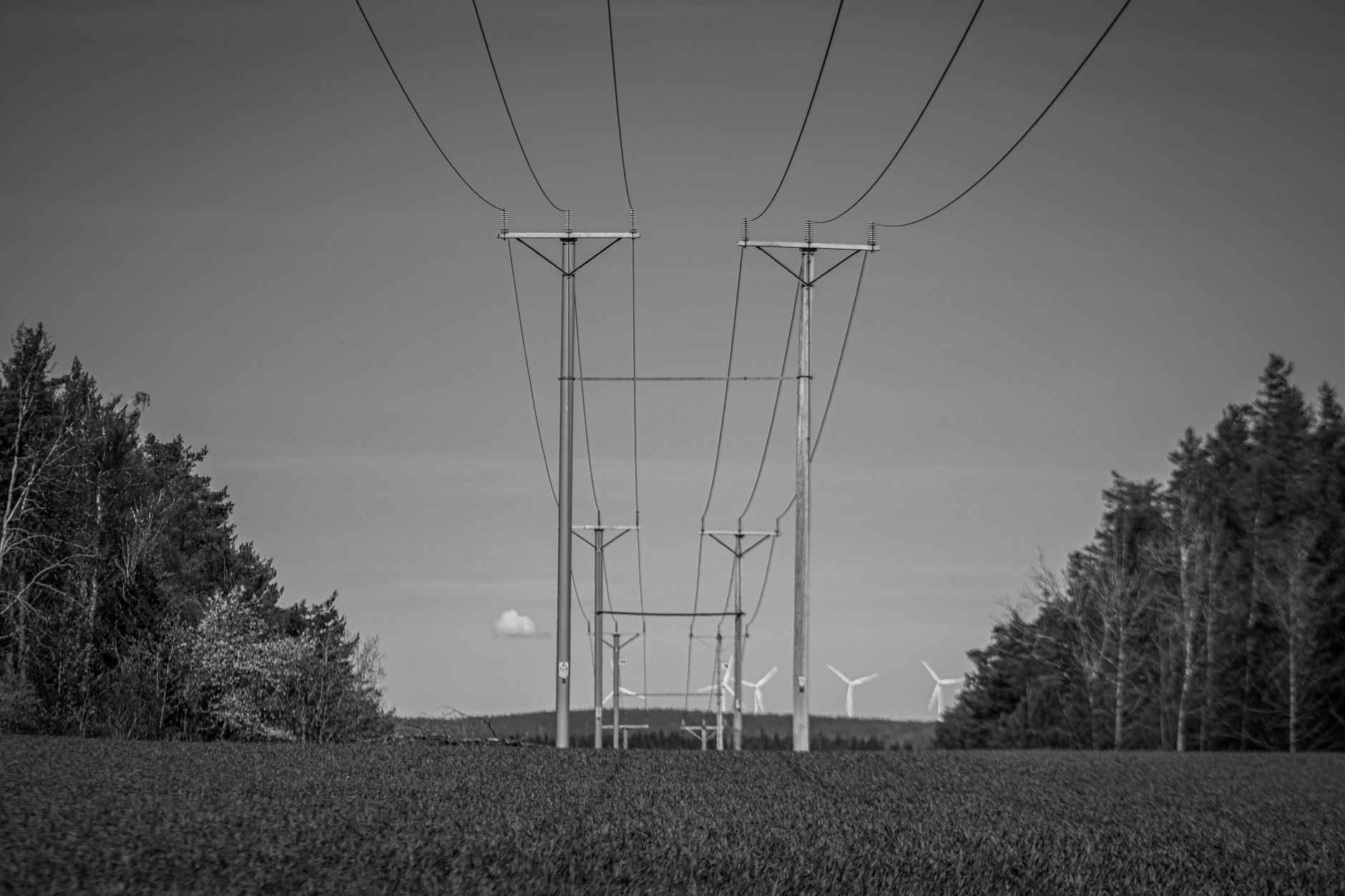
From a technical standpoint, power purchase agreements structured as full-output exclusives give buyers stronger claims than unbundled renewable energy certificates, which critics have long argued do little to actually change which power plants run or how much carbon enters the atmosphere. By tying payment directly to a specific physical facility’s generation, Google is at minimum ensuring that the Steel River solar farm operates and feeds the grid because of its financial commitment.
Whether that translates into genuine emissions reduction depends on what would have happened otherwise – a question that gets complicated quickly. If the Arkansas grid would have integrated that solar capacity anyway through other buyers, Google’s exclusive purchase shifts commercial arrangements more than it shifts actual generation. If the deal enabled the project to get financed and built when it otherwise wouldn’t have, the emissions impact is more concrete.
Google has not publicly detailed the contract terms, the duration of the agreement, or the specific gigawatt-hour volume the Steel River facility generates annually. Those figures would matter significantly for anyone trying to evaluate how much of Google’s data center emissions this arrangement actually addresses. A large farm covering a decade of output is a different proposition than a smaller facility under a shorter term.
What is clear is that Google is treating dedicated solar procurement as part of its standard operating toolkit, not as a one-off gesture. Google has faced its share of scrutiny on multiple fronts in recent years, and its environmental commitments are among the areas where public accountability expectations remain high. Exclusive energy deals like Steel River give the company something concrete to point to – but whether exclusive rights to one Arkansas solar farm moves the needle on a global data center network operating at the scale Google runs is a question the company’s 2030 deadline will eventually force into the open.