




Framework Laptop’s modular approach is disrupting an industry that has remained largely unchanged for decades. While most manufacturers push consumers toward complete device replacements every few years, Framework offers something revolutionary: a laptop you can actually repair, upgrade, and customize piece by piece.
The San Francisco-based startup has gained significant traction since launching in 2021, challenging giants like Dell, HP, and Apple with a fundamentally different philosophy. Instead of sealed units designed for obsolescence, Framework laptops feature swappable ports, upgradeable RAM, replaceable screens, and even interchangeable motherboards. This isn’t just about sustainability – it’s about giving users control over their computing experience.
Breaking Down the Modular Revolution
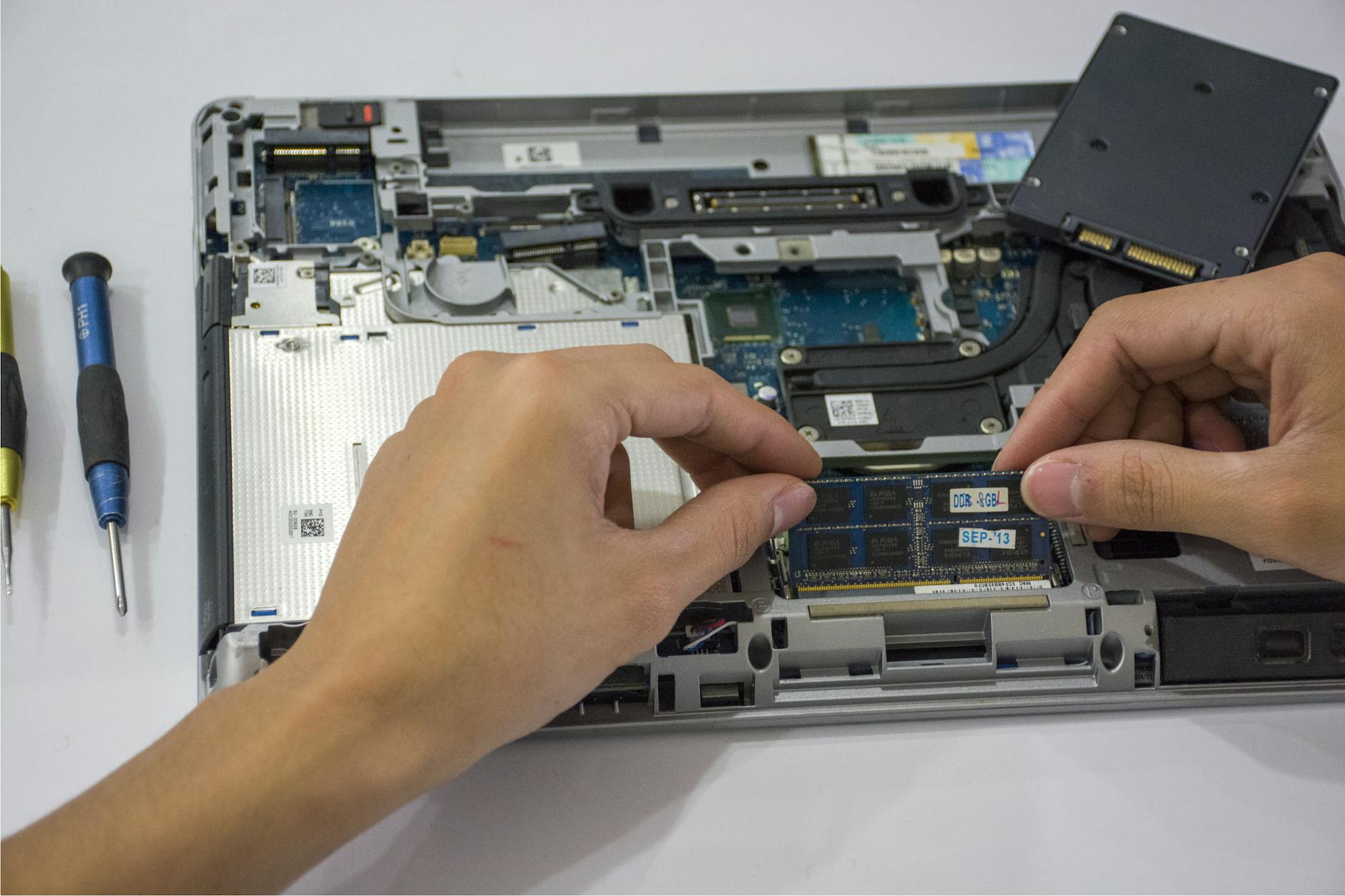
Framework’s core innovation lies in its expansion card system and component accessibility. Users can swap USB-A ports for HDMI, add microSD slots, or install custom modules created by third-party developers. Need more storage? The SSD slides out without tools. Want to upgrade the display? The screen bezel pops off with simple clips.
The company recently expanded beyond its original 13-inch model with a 16-inch variant, maintaining the same modular principles while offering more powerful configurations. Both models support user-replaceable keyboards, trackpads, speakers, and cameras – components that typically require expensive professional repair in traditional laptops.
This approach directly challenges the industry’s planned obsolescence model. While Apple and other manufacturers have faced criticism for difficult repairs and limited upgrade options, Framework builds repairability into its core design philosophy. The company even publishes detailed repair guides and sells individual components at reasonable prices.
Market Response and Growing Competition
Traditional manufacturers are taking notice. Dell’s recent announcements about more serviceable designs and HP’s modular workstation initiatives suggest the industry is responding to Framework’s challenge. However, none have fully embraced the radical modularity that defines Framework’s approach.
The timing couldn’t be better. Right-to-repair legislation is gaining momentum globally, with the European Union mandating repairability scores for electronics and several U.S. states considering similar measures. Corporate buyers are also prioritizing sustainability, making Framework’s proposition increasingly attractive for enterprise deployments.
Early adopters include tech-savvy consumers, educational institutions, and companies with strong environmental commitments. Framework’s laptops cost comparably to premium ultrabooks from established brands, but the long-term value proposition becomes clear when considering upgrade costs over time.
Technical Performance Meets Practical Design
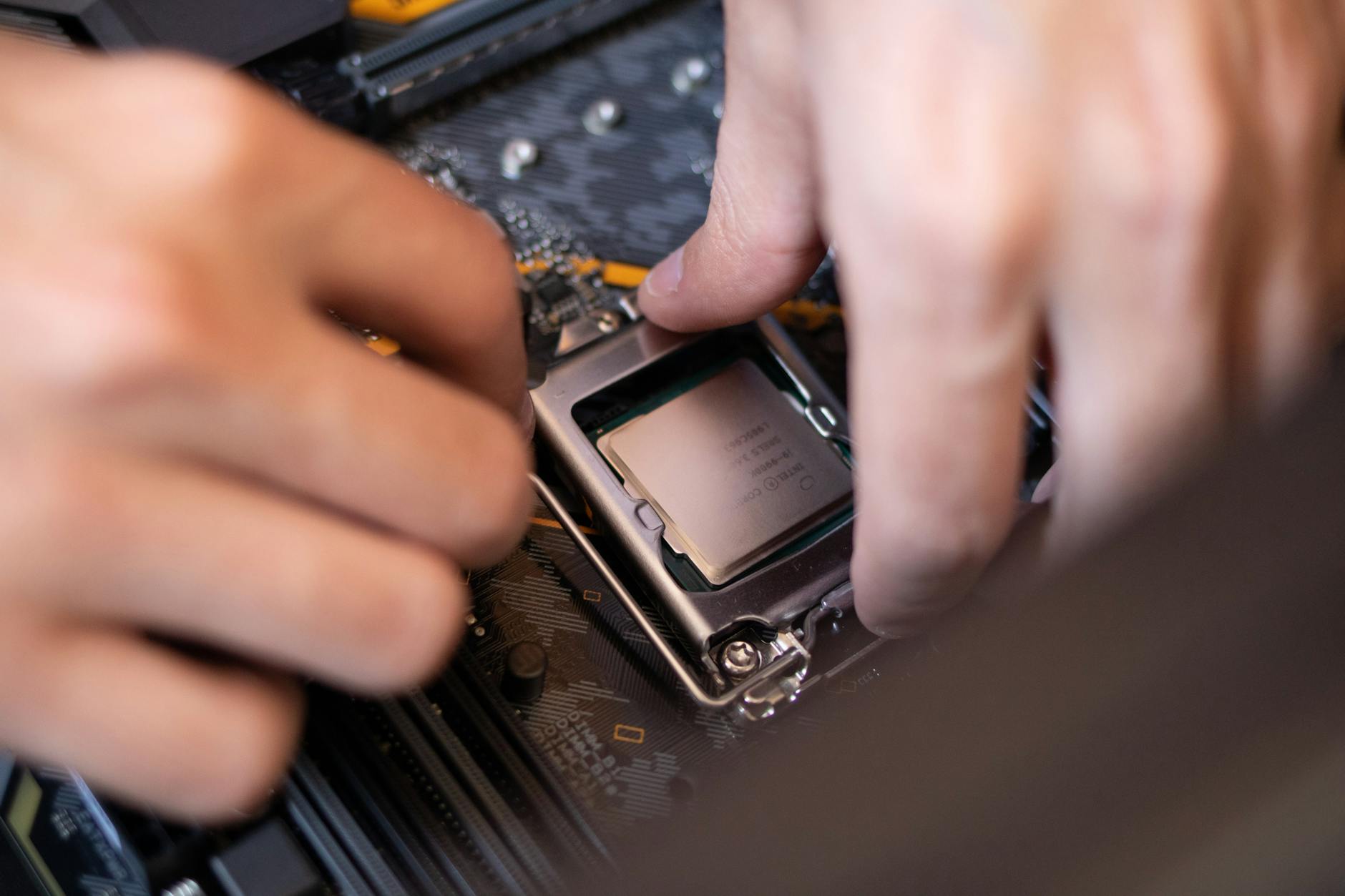
Framework hasn’t sacrificed performance for modularity. Current models feature Intel’s latest processors, high-quality displays, and competitive battery life. The 16-inch variant supports discrete graphics cards, appealing to creators and gamers who previously had to choose between performance and repairability.
The modular design requires precise engineering tolerances and robust connectors that can withstand repeated assembly. Framework’s emphasis on build quality addresses early concerns about durability, with user reports indicating the laptops hold up well to regular reconfiguration.
Port flexibility represents another significant advantage. Users can configure their exact needs – multiple USB-C ports for power users, a mix of legacy and modern connections for compatibility, or specialized modules for specific workflows. This customization extends beyond simple port swapping, with the ecosystem supporting everything from external GPU enclosures to specialized industrial sensors.
The company’s commitment to open-source hardware design allows third-party developers to create custom modules. This ecosystem approach could prove crucial for long-term success, similar to how smartphone app stores created sustainable platforms around core devices. Recent additions include modules for specialized audio interfaces, additional storage options, and even cryptocurrency mining capabilities.
Sustainability Impact and Future Implications
Framework’s environmental impact extends beyond individual device longevity. The company uses recycled materials where possible and designs for end-of-life recyclability. More importantly, the modular approach could fundamentally change how consumers think about electronics ownership.
Traditional laptop lifecycles involve complete device replacement when single components fail or become obsolete. Framework’s approach allows targeted upgrades, potentially extending device lifespans from 3-4 years to a decade or more. This shift could significantly reduce electronic waste while providing economic benefits for users.

The broader implications reach beyond laptops. As consumers become familiar with modular design principles through Framework’s products, demand for similar approaches in smartphones, tablets, and other electronics could grow. Apple’s recent moves toward modular design elements, as seen in discussions around modular smartphone components, suggest even established manufacturers recognize this trend’s potential.
Framework’s success will likely depend on expanding beyond enthusiast markets to mainstream adoption. The company recently secured significant funding to scale production and expand internationally, indicating investor confidence in the modular approach. Partnerships with enterprise customers and educational institutions could provide the volume needed to compete directly with established manufacturers.
The laptop market stands at a crossroads. Framework has proven that consumers will embrace modular design when executed thoughtfully. Whether traditional manufacturers adapt their approaches or lose market share to more flexible alternatives will define the industry’s next decade. For users tired of planned obsolescence and limited repair options, Framework’s modular revolution offers a compelling glimpse into a more sustainable computing future.
Frequently Asked Questions
Can you really upgrade Framework laptop components yourself?
Yes, Framework laptops allow user replacement of RAM, storage, ports, keyboards, screens, and even motherboards without special tools.
How does Framework laptop pricing compare to traditional brands?
Framework laptops cost similarly to premium ultrabooks initially but offer better long-term value through upgrades instead of full replacements.