




The sound of diesel engines rumbling through historic European city centers may soon become a memory. Major cities across the continent are implementing sweeping bans on gas-powered delivery vehicles in their downtown cores, forcing logistics companies to rapidly electrify their fleets or face hefty fines.
Amsterdam leads the charge with its zero-emission zone that took effect in January 2023, prohibiting all diesel and gasoline delivery trucks from entering the city center during peak hours. Barcelona, Paris, and Berlin have followed suit with similar restrictions, while London’s Ultra Low Emission Zone continues expanding its boundaries. The movement represents the most aggressive push yet to clean up urban air quality while maintaining the flow of goods that keep city economies running.
These bans aren’t just environmental gestures – they’re reshaping how goods move through Europe’s most densely populated areas. Delivery companies report scrambling to retrofit their operations with electric vehicles, while city officials tout measurable improvements in air quality within months of implementation.
The Logistics Revolution Underway
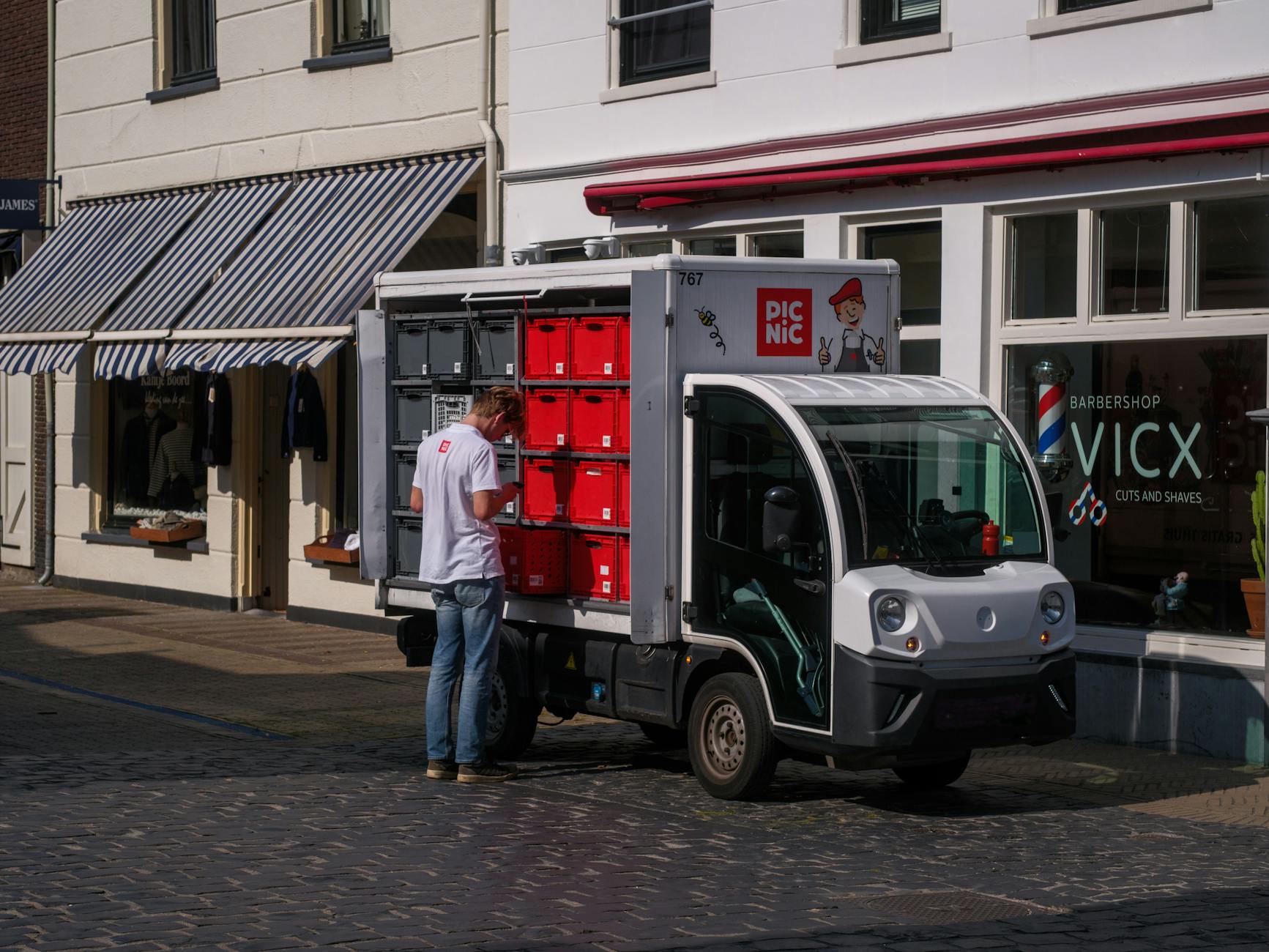
Major logistics companies are adapting their European operations at unprecedented speed. DHL has committed over 7 billion euros to electrify its delivery fleet by 2030, with priority given to urban routes affected by the new regulations. UPS operates more than 1,000 electric delivery vehicles across European cities, concentrated heavily in areas with gas-powered restrictions.
Local delivery services face even greater pressure. Small and medium-sized logistics firms, which handle roughly 60% of last-mile deliveries in European city centers, often lack the capital for large-scale fleet transitions. Many are partnering with larger companies or forming cooperatives to share the costs of electric vehicle adoption.
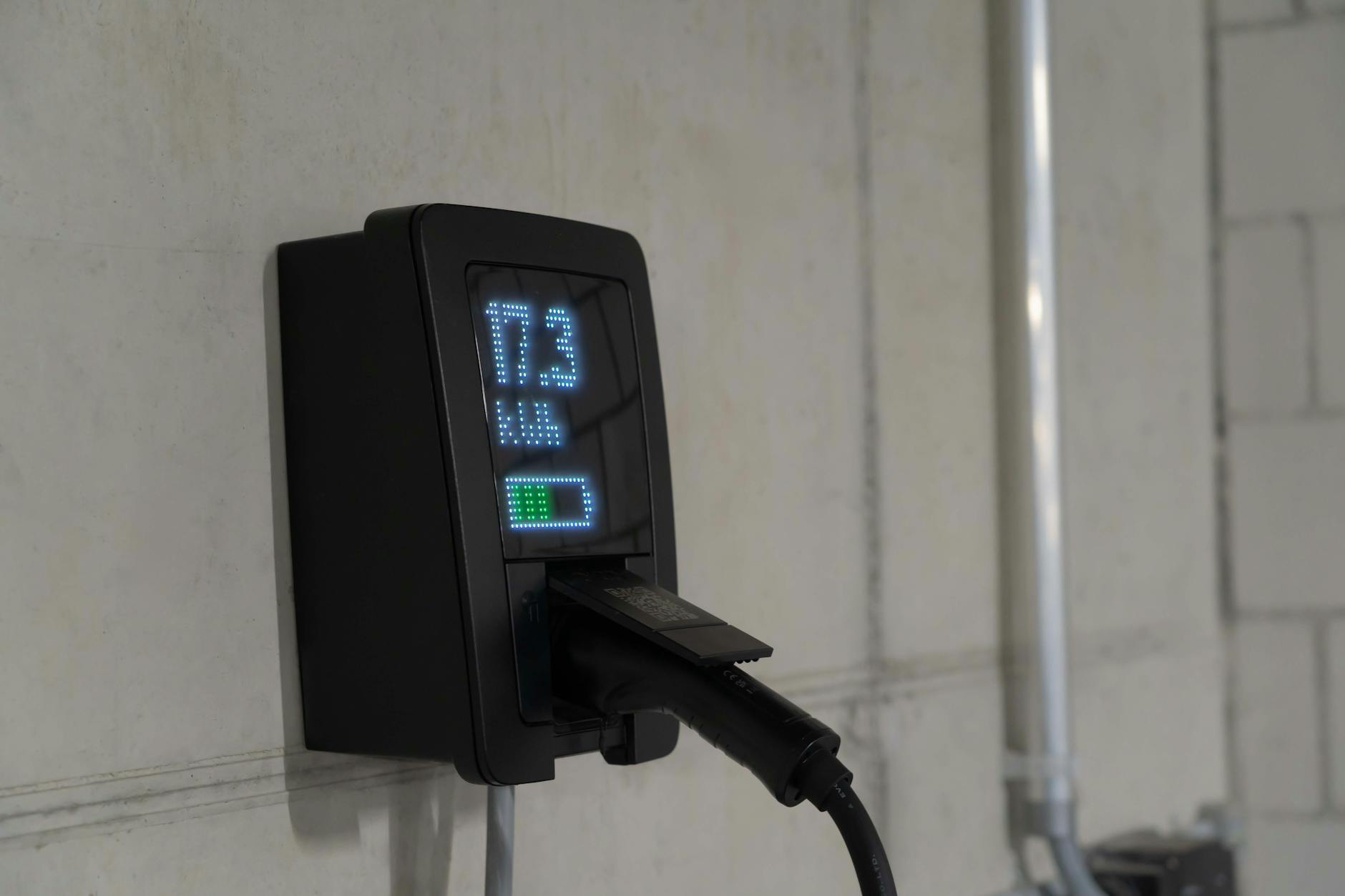
The financial impact extends beyond vehicle purchases. Charging infrastructure requirements have created new business opportunities, with companies like Ionity and Shell Recharge Solutions rapidly expanding urban charging networks. Some cities offer incentives – Amsterdam provides grants covering up to 40% of electric delivery vehicle costs, while Paris has installed over 200 dedicated charging points for commercial vehicles.
Delivery routes are being completely reimagined. Electric vehicles’ limited range compared to diesel trucks means logistics companies must establish new distribution hubs on city outskirts. Amazon has opened micro-fulfillment centers in suburban areas around Paris and Barcelona specifically to accommodate shorter electric vehicle ranges for final delivery legs.
Air Quality Results Drive Policy Expansion
Early results from cities with established bans show significant environmental improvements. Amsterdam reported a 20% reduction in nitrogen dioxide levels in its city center within six months of implementing restrictions. Paris measured similar improvements in areas covered by its Low Emission Zone, which now covers the entire metropolitan area.
These measurable changes are accelerating policy adoption across Europe. Munich announced plans for a zero-emission delivery zone by 2025, while Rome is conducting feasibility studies for similar restrictions in its historic center. The European Union’s Green Deal framework provides political backing, with member states required to meet strict air quality standards by 2030.

Health officials point to reduced particulate matter concentrations as particularly significant. The European Environment Agency estimates that poor air quality causes over 400,000 premature deaths annually across EU member states, with urban areas experiencing the highest pollution levels. Delivery vehicles, while representing a small percentage of total traffic, contribute disproportionately to emissions during peak hours when pedestrian exposure is highest.
The policy momentum extends beyond Western Europe. Warsaw plans to restrict gas-powered deliveries in its Old Town area by 2026, while Prague is studying similar measures. The financial technology sector has also adapted – companies like those involved in major platform mergers are developing new logistics solutions specifically for electric fleet management, though specific implementations vary by region.
Technology Solutions Emerge
Innovation in electric delivery technology has accelerated to meet policy demands. Vehicle manufacturers like Mercedes-Benz, Volvo, and Renault have developed electric truck models specifically designed for urban delivery, with improved battery ranges and faster charging capabilities.
Alternative solutions are gaining traction where full electrification proves challenging. Cargo bikes and electric scooters handle smaller packages, while some companies employ walking couriers for dense urban areas. Hamburg has tested drone deliveries for medical supplies, though regulatory approval remains limited.
Battery technology improvements directly impact delivery operations. Current electric delivery vehicles achieve ranges of 150-250 kilometers per charge, sufficient for most urban routes but requiring careful planning. Fast-charging technology enables vehicles to recharge during driver breaks, though infrastructure availability remains inconsistent across European cities.
Software platforms now optimize routes specifically for electric vehicles, accounting for charging station locations, battery levels, and weight distribution. These systems have become essential as delivery companies manage mixed fleets during transition periods.
Economic and Social Impacts
The transition carries significant economic implications beyond logistics companies. Local businesses report concerns about potential delivery delays or increased costs during the adjustment period. Some restaurants and retailers have modified inventory management to account for changing delivery schedules.
Employment patterns within the logistics sector are shifting. Electric vehicle maintenance requires different technical skills than traditional diesel engines, leading to retraining programs for mechanics and fleet technicians. Several European cities have established vocational programs specifically focused on electric commercial vehicle servicing.
Consumer behavior shows signs of adaptation. Online shopping patterns in cities with delivery restrictions have shifted slightly toward consolidated orders and flexible delivery windows. Some retailers offer incentives for customers willing to accept longer delivery times to help logistics companies optimize electric vehicle routes.
The restrictions have also influenced urban planning decisions. Cities are designating specific areas for delivery vehicle charging and creating loading zones optimized for electric vehicle operations. This infrastructure planning represents a long-term commitment to maintaining the policy changes.
Looking ahead, the success of current implementations will likely determine how quickly similar policies spread across Europe and potentially globally. As battery technology continues improving and charging infrastructure expands, the logistical challenges facing delivery companies should diminish. The next two years will prove crucial in determining whether European cities can maintain commerce flows while achieving their air quality goals through these ambitious delivery vehicle restrictions.
Frequently Asked Questions
Which European cities have banned gas-powered delivery vehicles?
Amsterdam, Barcelona, Paris, Berlin, and London have implemented restrictions, with Munich and Rome planning similar measures.
How are delivery companies adapting to these bans?
Companies are rapidly electrifying fleets, establishing new distribution hubs, and redesigning routes to accommodate electric vehicle limitations.