




The graphics card market has reached a pivotal moment where true 4K gaming performance is finally within reach for enthusiasts willing to invest in premium hardware. With the latest generation of GPUs pushing unprecedented frame rates at ultra-high resolutions, the question isn’t whether 4K gaming is possible-it’s which card delivers the best experience for your budget and gaming preferences.
Modern graphics cards have evolved far beyond their predecessors, with manufacturers focusing intensively on 4K optimization. The current flagship models represent years of architectural improvements specifically designed to handle the demanding 3840×2160 resolution that defines today’s premium gaming experience. These advances mirror the rapid technological evolution we’ve seen in other sectors, much like how electric vehicle charging technology continues advancing at breakneck speed.
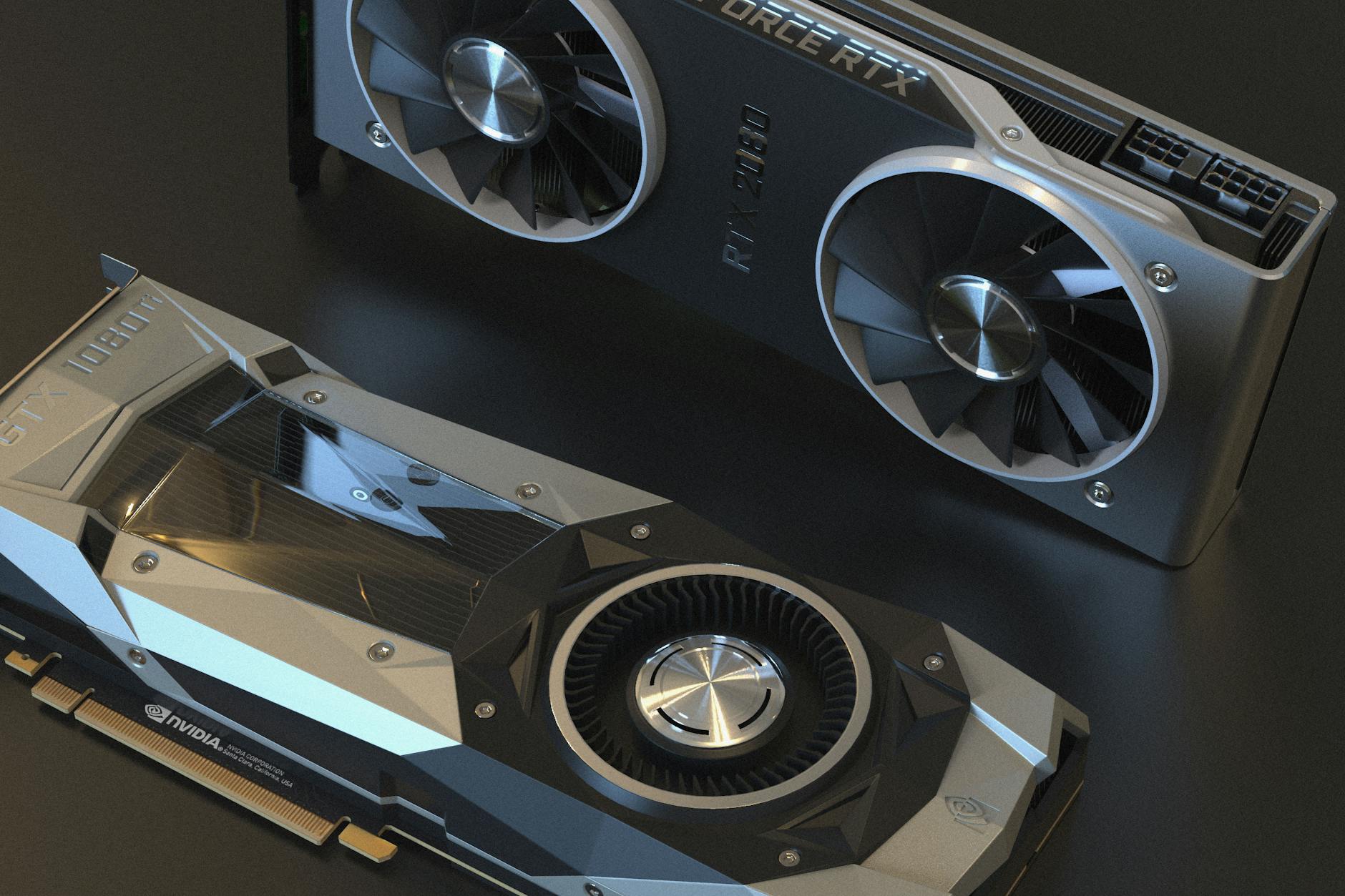
NVIDIA’s High-End Offerings Lead the Pack
NVIDIA’s RTX 40-series cards currently dominate the 4K gaming landscape, with the RTX 4090 setting the standard for uncompromised performance. This flagship GPU consistently delivers smooth frame rates across demanding titles, often exceeding 60 FPS in games like Cyberpunk 2077 and Microsoft Flight Simulator with ray tracing enabled. The card’s substantial VRAM allocation ensures it won’t struggle with texture-heavy games that push memory limits.
The RTX 4080 offers a more accessible entry point into high-end 4K gaming, though it requires more careful settings management. While it handles most current games admirably at 4K, users may need to adjust ray tracing settings or use DLSS upscaling technology to maintain consistent performance in the most demanding scenarios. The price-to-performance ratio makes it attractive for gamers who want excellent 4K capability without the premium cost of the flagship model.
NVIDIA’s DLSS 3 technology deserves special attention in 4K discussions. This AI-powered upscaling can dramatically boost frame rates by rendering at lower resolutions and intelligently upscaling the image. Games supporting DLSS 3 often see performance improvements of 50-100%, making previously challenging 4K experiences much more playable. However, the technology’s effectiveness varies by game, and some purists prefer native 4K rendering despite the performance cost.
AMD’s Competitive Response
AMD’s RX 7000 series presents compelling alternatives, particularly for budget-conscious 4K gamers. The RX 7900 XTX delivers impressive 4K performance at a lower price point than NVIDIA’s flagship offerings. In rasterization-focused games without ray tracing, it often matches or exceeds the RTX 4080’s performance while offering superior value.
The RX 7900 XT sits in an interesting middle ground, providing solid 4K gaming capability with some compromises. Like the RTX 4080, it requires careful settings optimization for the most demanding games, but it excels in well-optimized titles. AMD’s FSR (FidelityFX Super Resolution) upscaling technology helps bridge performance gaps, though it generally doesn’t match DLSS 3’s effectiveness.
Ray tracing performance remains AMD’s Achilles’ heel in 4K gaming. While the RX 7000 series shows significant improvements over previous generations, NVIDIA’s RTX cards still maintain a clear advantage in ray-traced scenarios. For gamers prioritizing visual fidelity with advanced lighting effects, this performance gap becomes more pronounced at 4K resolution where ray tracing demands are highest.

Budget Considerations and Performance Tiers
The 4K gaming landscape creates distinct performance tiers that directly correlate with pricing. Premium cards like the RTX 4090 command high prices but deliver uncompromising performance across all current games. Mid-tier options require strategic settings management but still provide excellent 4K experiences in most scenarios.
Previous-generation cards deserve consideration for budget-focused builds. The RTX 3080 and RX 6800 XT, while not cutting-edge, still offer respectable 4K performance in many games. These older cards often provide the best entry point into 4K gaming, though they may struggle with the most demanding new releases without upscaling assistance.
Memory considerations become critical at 4K resolution. Cards with less than 12GB of VRAM may encounter texture streaming issues or forced quality reductions in memory-intensive games. This factor particularly affects longevity, as future games will likely demand even more VRAM for optimal 4K performance. The investment in higher-memory cards often pays dividends over the card’s useful lifespan.
Power consumption and cooling requirements also escalate with 4K-capable cards. High-end GPUs often require robust power supplies and adequate case ventilation to maintain optimal performance. These ancillary costs should factor into budget calculations, as inadequate power delivery can limit performance or cause stability issues.
Real-World Gaming Performance
Actual 4K gaming performance varies dramatically across different game genres and engines. Competitive esports titles like Valorant or Counter-Strike run effortlessly at 4K on most modern cards, often achieving refresh rates that exceed typical monitor capabilities. These games prioritize frame rate over visual complexity, making them ideal showcases for 4K’s clarity benefits.
Open-world games present the greatest 4K challenges, with titles like Red Dead Redemption 2 and Assassin’s Creed pushing even flagship cards to their limits. These games benefit most from upscaling technologies and careful settings optimization. The visual payoff justifies the effort, as detailed environments shine at 4K resolution with properly tuned graphics settings.
Racing and flight simulation games occupy a sweet spot for 4K gaming, offering stunning visual improvements while maintaining reasonable performance demands. Games like Forza Horizon and Microsoft Flight Simulator showcase 4K’s benefits beautifully, with crisp distant details and smooth motion that enhances immersion significantly.

The future of 4K gaming looks increasingly promising as game developers optimize engines for higher resolutions and GPU manufacturers continue pushing performance boundaries. Next-generation cards will likely make 4K gaming more accessible across price points, while technologies like AI upscaling become more sophisticated and widely adopted.
Current 4K-capable graphics cards represent a maturation of the technology, offering genuine high-resolution gaming experiences that were aspirational just a few years ago. Whether choosing NVIDIA’s feature-rich RTX cards or AMD’s value-focused alternatives, today’s options provide paths into premium 4K gaming that suit various budgets and performance expectations.
Frequently Asked Questions
Which graphics card is best for 4K gaming?
NVIDIA RTX 4090 leads performance, while RTX 4080 and AMD RX 7900 XTX offer good value for high-end 4K gaming.
Do I need DLSS or FSR for 4K gaming?
Upscaling technologies significantly boost 4K performance, especially in demanding games with ray tracing enabled.