



The battle for aerial photography supremacy has intensified as content creators demand more sophisticated features from compact drones. Two standout models have captured photographers’ attention: DJI’s Mini 4 Pro and Skydio’s 2. While both promise professional-grade results in portable packages, their approaches to autonomous flight and camera performance differ dramatically.
DJI continues dominating the consumer drone market with refined hardware and extensive shooting modes. Meanwhile, Skydio carved its niche through advanced obstacle avoidance and subject tracking capabilities. For photographers weighing these options, understanding each model’s strengths reveals which better serves different shooting scenarios.
Camera Quality and Image Processing
The DJI Mini 4 Pro delivers exceptional image quality through its three-axis gimbal and upgraded sensor. The drone captures footage in multiple formats including standard video modes and RAW photo capabilities. DJI’s color science produces vibrant, cinema-ready footage straight from the camera, requiring minimal post-processing for social media content.
Image stabilization remains rock-solid even in moderate wind conditions. The gimbal compensates for drone movement while maintaining smooth footage during complex flight maneuvers. Professional photographers appreciate the ability to shoot in manual modes, controlling ISO, shutter speed, and aperture independently.
Skydio 2 takes a different approach with its camera system, prioritizing computational photography over traditional hardware specs. The drone excels at capturing dynamic action sequences where subject tracking matters more than absolute image quality. While the camera produces solid results, it doesn’t match the Mini 4 Pro’s color accuracy or low-light performance.
Both drones handle daylight conditions admirably, but differences emerge in challenging lighting situations. The DJI model maintains cleaner footage with less noise when shooting during golden hour or overcast conditions. Skydio’s strength lies in maintaining focus on moving subjects rather than optimizing for maximum image fidelity.
Autonomous Flight and Obstacle Avoidance
Skydio 2 revolutionizes autonomous flight with its six 4K cameras providing 360-degree environmental awareness. The drone processes visual data in real-time, creating detailed 3D maps of surroundings. This technology enables unprecedented obstacle avoidance capabilities, allowing the drone to navigate complex environments like dense forests or urban landscapes with minimal pilot input.
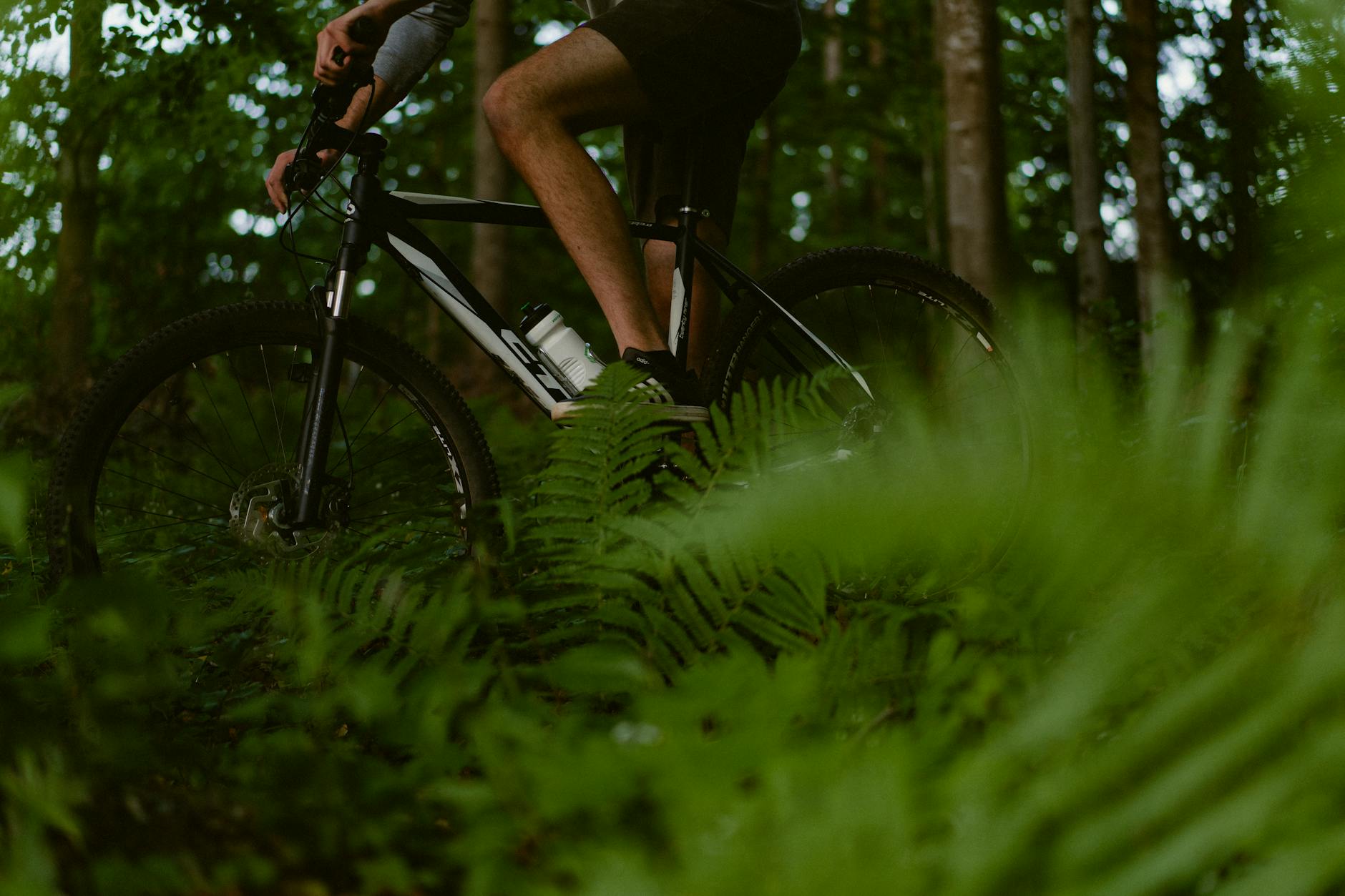
The autonomous tracking feature sets Skydio apart from competitors. Once locked onto a subject, the drone maintains visual contact while avoiding obstacles dynamically. Mountain bikers, runners, and extreme sports athletes find this capability invaluable for capturing action footage previously requiring multiple operators.
DJI Mini 4 Pro includes obstacle sensors but relies more heavily on pilot skill for complex navigation. The drone features forward, backward, and downward-facing sensors that detect obstacles and halt movement when necessary. While effective for basic safety, the system doesn’t match Skydio’s autonomous maneuvering capabilities.
However, DJI compensates with flight modes designed for cinematic shots. ActiveTrack follows subjects smoothly while maintaining artistic framing. The drone offers various automated flight patterns including circle shots, helixes, and waypoint missions. These pre-programmed movements help novice pilots achieve professional-looking results without extensive training.
Portability and Flight Performance
Both drones prioritize portability without sacrificing performance. The DJI Mini 4 Pro weighs under 250 grams, avoiding registration requirements in many countries. Its foldable design fits easily into camera bags or backpacks. Battery life extends to approximately 34 minutes under ideal conditions, providing ample time for most shooting sessions.
Flight performance remains stable across various weather conditions. The Mini 4 Pro handles moderate winds effectively while maintaining precise positioning. GPS accuracy enables reliable return-to-home functionality, providing peace of mind for photographers working in unfamiliar locations.
Skydio 2 carries slightly more weight but offers comparable portability. The drone’s unique design incorporates protective propeller guards, reducing damage risk during transport or crashes. Flight time reaches around 23 minutes, shorter than DJI’s offering but sufficient for most autonomous tracking scenarios.
Wind resistance proves adequate for most conditions, though the drone struggles more than the Mini 4 Pro in gusty environments. The trade-off between obstacle avoidance sensors and aerodynamic efficiency becomes apparent during challenging weather conditions.
Control systems differ significantly between models. DJI provides traditional remote controller options plus smartphone-only operation. Professional photographers often prefer physical controls for precise camera adjustments. Skydio emphasizes smartphone control with simplified interfaces designed for quick deployment and autonomous operation.
Software Ecosystem and Post-Processing
DJI’s mature software ecosystem includes comprehensive mobile apps and desktop editing tools. The DJI Fly app provides intuitive controls for beginners while offering advanced manual settings for experienced users. Footage syncs automatically to DJI’s cloud services, enabling editing across multiple devices.
Professional workflows benefit from DJI’s compatibility with industry-standard editing software. Color profiles and metadata integrate seamlessly with Adobe Premiere, Final Cut Pro, and DaVinci Resolve. The drone’s flat color profile preserves maximum dynamic range for extensive color grading.
Like the comparison between Tesla Model Y vs Ford Mustang Mach-E charging speeds, these drones represent different philosophies in their respective markets. DJI focuses on maximum image quality and manual control, while Skydio prioritizes automated intelligence and ease of use.
Skydio’s software emphasizes simplicity and automation. The mobile app handles most flight operations through touch controls and gesture commands. Autonomous missions require minimal setup, making the drone accessible to users with limited piloting experience.
Post-processing workflows prove more streamlined with DJI’s ecosystem. Skydio footage requires more manual adjustment to achieve cinema-quality results. However, the autonomous tracking capabilities often capture unique angles and movements difficult to achieve manually, compensating for technical limitations.
The choice between DJI Mini 4 Pro and Skydio 2 ultimately depends on shooting priorities and skill level. Photographers prioritizing maximum image quality, manual control, and professional workflow integration will find the Mini 4 Pro more suitable. Its superior camera system and mature software ecosystem serve traditional aerial photography needs effectively.
Content creators focused on dynamic action footage and autonomous operation benefit more from Skydio’s approach. The drone’s tracking capabilities enable unique shots previously requiring multiple operators or expensive equipment. Sports videographers and adventure content creators particularly appreciate these autonomous features.
As drone technology continues evolving, expect both manufacturers to incorporate competitive features into future models. DJI will likely enhance autonomous capabilities while Skydio improves camera performance, potentially blurring current distinctions between these approaches.
Frequently Asked Questions
Which drone has better camera quality for photography?
DJI Mini 4 Pro delivers superior image quality with better color science and low-light performance compared to Skydio 2.
Is Skydio 2 better for tracking moving subjects?
Yes, Skydio 2’s six-camera system and AI processing provide exceptional autonomous subject tracking and obstacle avoidance capabilities.