



The Apple Watch Ultra 2 and Garmin Fenix 8 represent two fundamentally different philosophies in adventure smartwatch design. Apple refined their outdoor flagship with enhanced GPS precision and extended battery life, while Garmin doubled down on their reputation for hardcore athletic features and week-long endurance. For hikers choosing their next wrist companion, the decision comes down to ecosystem integration versus specialized outdoor functionality.
Both watches arrived in 2023 and 2024 respectively, targeting serious outdoor enthusiasts willing to invest in premium tracking technology. The Ultra 2 starts at $799, positioning itself as Apple’s most rugged offering yet. The Fenix 8 commands a higher price point, reflecting Garmin’s decades of GPS expertise and their commitment to purpose-built adventure gear.
Display and Durability in Harsh Conditions
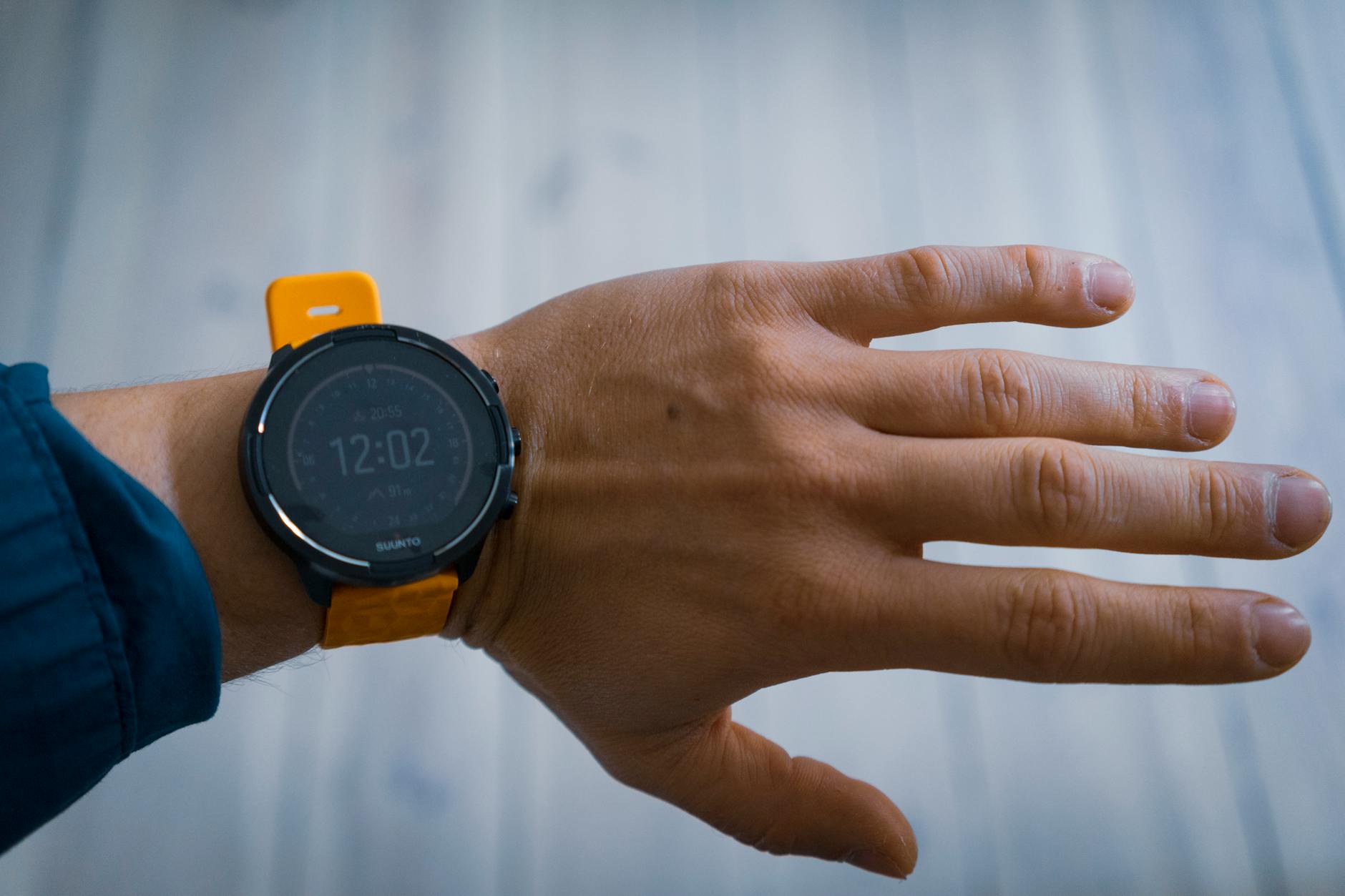
The Apple Watch Ultra 2 sports a 49mm titanium case with a bright 2000-nit display that remains readable even in direct alpine sunlight. Apple engineered the watch face with a flat sapphire crystal front, designed to withstand impacts against rock faces and tree branches. The Action Button provides tactile control when wearing gloves, a crucial feature for winter hiking or mountaineering.
Garmin’s Fenix 8 takes durability seriously with military-grade construction and a choice between AMOLED and solar-powered memory-in-pixel displays. The solar charging capability extends battery life significantly during multi-day backcountry trips. The watch face includes a scratch-resistant sapphire lens and reinforced housing that’s proven itself in extreme conditions from desert heat to arctic cold.
Screen visibility differs between the models. The Ultra 2’s OLED display offers vivid colors and sharp contrast but can struggle with battery drain when brightness is maximized. The Fenix 8’s solar model provides always-on readability without compromising power consumption, though color saturation doesn’t match Apple’s vibrancy.
Both watches meet water resistance standards for swimming and shallow water activities, but serious hikers should note that neither is designed for deep water sports or prolonged submersion. The build quality on both models inspires confidence for typical hiking scenarios including rain, mud, and accidental drops.
GPS Accuracy and Navigation Features
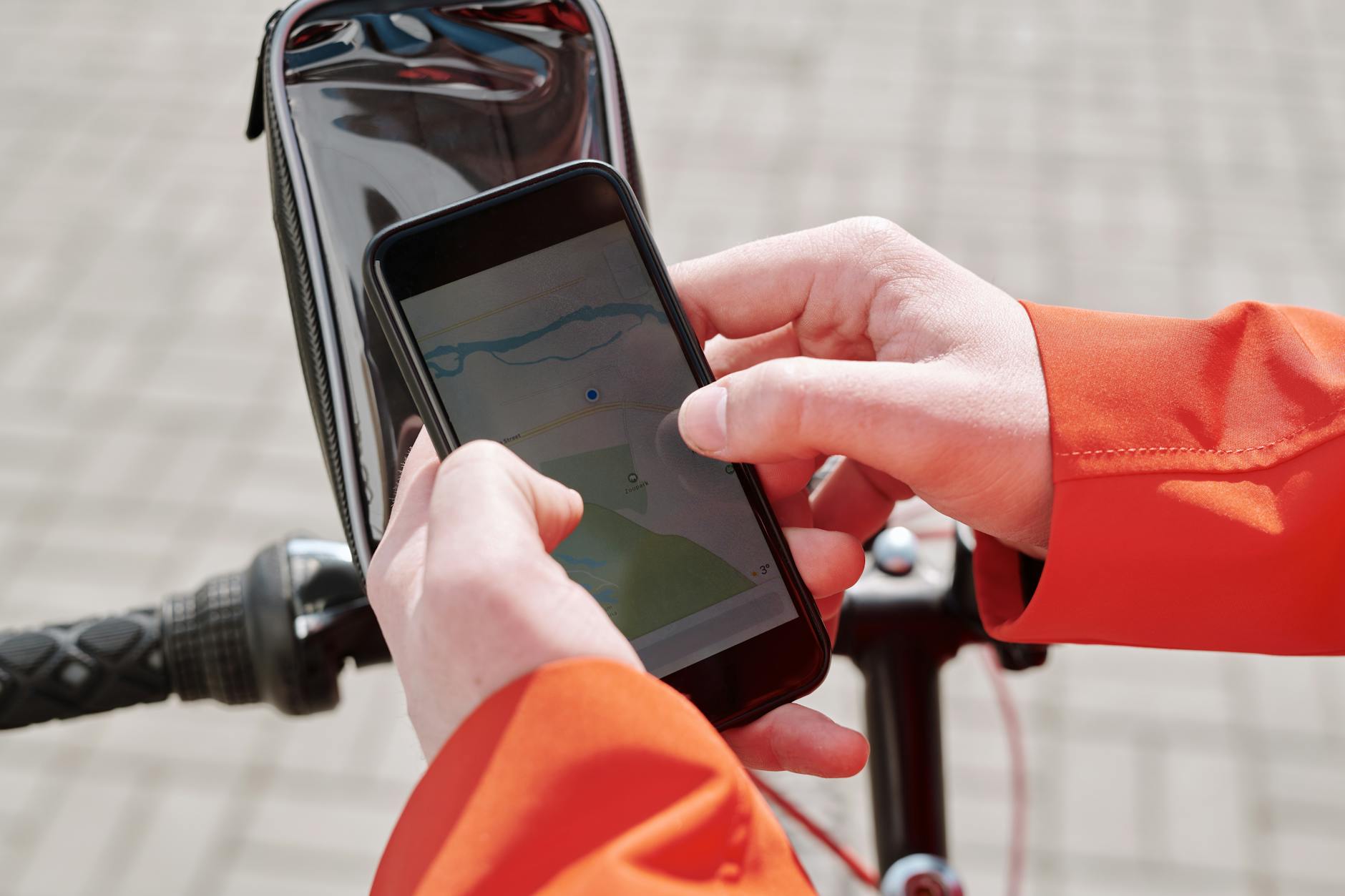
Navigation capabilities separate these devices most dramatically. The Apple Watch Ultra 2 includes dual-frequency GPS with L1 and L5 bands, improving location accuracy in challenging environments like dense forest canopy or narrow canyon walls. Apple’s Backtrack feature automatically creates breadcrumb trails, allowing hikers to retrace their steps if weather or darkness forces an early return.
The Garmin Fenix 8 leverages the company’s decades of GPS expertise with multi-band satellite support including GPS, GLONASS, and Galileo systems. Garmin’s mapping capabilities shine with detailed topographic maps, trail overlays, and turn-by-turn navigation that functions entirely offline. The watch can store multiple route files and provides advanced metrics like grade-adjusted pace and climbing performance analytics.
Real-world accuracy testing reveals both watches perform well in typical hiking conditions, with the Fenix 8 maintaining a slight edge in challenging terrain like slot canyons or heavy tree cover. The Apple Watch Ultra 2 compensates with faster satellite acquisition and more intuitive waypoint marking through its Digital Crown interface.
Battery performance during GPS tracking heavily favors the Garmin. The Fenix 8 can maintain continuous GPS logging for up to 29 hours, while the Ultra 2 typically provides 12-15 hours of active GPS use. For day hikes, both watches perform adequately, but multi-day adventures clearly favor Garmin’s endurance capabilities.
The integration with smartphone mapping apps differs significantly. Apple Watch users benefit from seamless integration with Apple Maps and popular hiking apps like AllTrails, with route planning happening on the iPhone and syncing automatically. Garmin users can plan routes through Garmin Connect or third-party services, but the workflow requires more manual steps.
Health and Fitness Tracking for Hikers
Both watches excel at fundamental fitness tracking, but their approaches reflect different target audiences. The Apple Watch Ultra 2 provides comprehensive health monitoring including blood oxygen levels, heart rate variability, and sleep tracking. The health app ecosystem integrates with numerous third-party fitness applications, making it easy to analyze hiking performance alongside other activities.
Garmin’s strength lies in specialized outdoor metrics that serious hikers value. The Fenix 8 tracks elevation gain and loss with barometric altimeter precision, calculates grade-adjusted pace for accurate effort assessment, and provides detailed recovery metrics. The Body Battery feature helps hikers understand when they’re ready for challenging ascents versus when rest is needed.
Heart rate monitoring proves reliable on both devices, though the Garmin typically maintains better sensor contact during vigorous activity. The optical heart rate sensors on both watches can struggle with very cold conditions or when worn over base layers, but this limitation affects most wrist-based monitors.
Sleep tracking becomes crucial during multi-day hiking trips, and both watches provide useful insights. The Ultra 2 offers more detailed sleep stage analysis and integration with Apple’s health ecosystem. The Fenix 8 focuses on recovery metrics and how sleep quality affects next-day performance capacity.
Recovery and training load features appeal to hikers who treat their adventures as serious athletic pursuits. Garmin’s decades of experience in endurance sports shows in their sophisticated algorithms for training stress balance and performance predictions.
Ecosystem Integration and Daily Usability
The Apple Watch Ultra 2 seamlessly integrates with iPhone users’ existing digital lives. Text messages, calls, and app notifications work exactly as expected, making the transition from daily wear to hiking companion effortless. The cellular model allows emergency communication even when hiking solo, though coverage obviously depends on cell tower proximity.

Garmin takes a more focused approach, prioritizing battery life and outdoor functionality over smartphone integration. Basic notifications work reliably, but the experience feels more utilitarian than integrated. For hikers who prefer disconnecting from digital distractions during outdoor adventures, this limitation becomes a feature rather than a drawback.
App ecosystems differ substantially. Apple Watch users access thousands of hiking and outdoor apps through the App Store, from detailed weather forecasts to plant identification tools. Garmin’s Connect IQ platform offers fewer options but focuses specifically on outdoor and fitness applications built for their hardware capabilities.
Music storage and playback capabilities matter for some hikers, especially during long approach hikes or trail running segments. The Ultra 2 integrates smoothly with Apple Music and other streaming services, storing songs locally for offline listening. The Fenix 8 supports music storage and playback but requires more manual management of audio files.
Emergency features distinguish both watches in critical situations. Apple’s Emergency SOS can contact emergency services and share precise location data, while also notifying emergency contacts. Garmin includes incident detection and assistance features, plus compatibility with inReach satellite communicators for true off-grid emergency communication.
The choice between these exceptional hiking watches ultimately depends on your priorities and existing technology ecosystem. Apple Watch Ultra 2 users gain seamless integration with iPhone workflows, intuitive interfaces, and comprehensive health tracking wrapped in a package that transitions effortlessly from trail to office. Garmin Fenix 8 devotees prioritize specialized outdoor features, extended battery life, and purpose-built functionality that assumes hiking is the primary use case rather than a secondary feature.
Both represent significant investments in wearable technology, but they serve different types of outdoor enthusiasts. As wearable technology continues advancing, we can expect even more sophisticated features and longer battery life from both manufacturers, potentially blurring the lines between lifestyle and adventure-focused devices.
Frequently Asked Questions
Which watch has better GPS accuracy for hiking?
Both perform well, but Garmin Fenix 8 has a slight edge in challenging terrain like dense forests or canyons.
How long does the battery last during GPS tracking?
Garmin Fenix 8 provides up to 29 hours of GPS tracking, while Apple Watch Ultra 2 offers 12-15 hours.