



When Supplement Shopping Becomes a Research Project
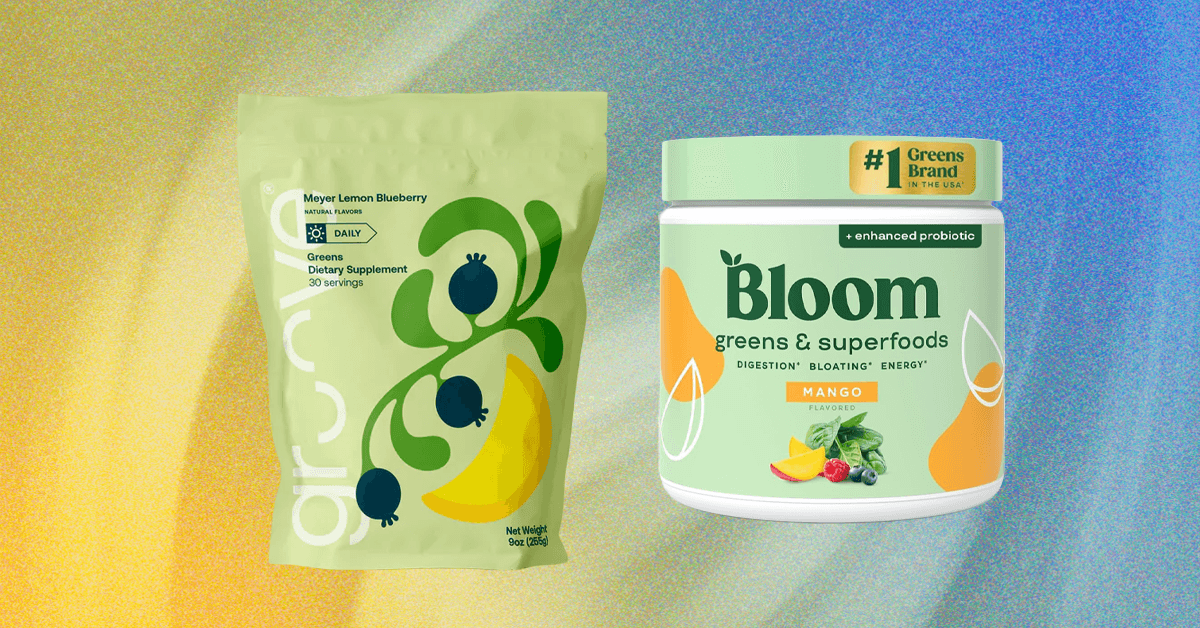
The greens powder market has expanded far beyond the niche health-store shelves it once occupied. Dozens of brands now compete for counter space in kitchens and gym bags alike, each promising dense nutritional profiles, digestive support, and palatable flavors – claims that vary wildly in accuracy once you actually open a canister and start mixing. Wired set out to cut through that noise by spending months taste-testing and researching the category, eventually publishing a ranked list of 16 greens powders worth considering in 2026.
Bloom Nutrition’s Superfood Greens Powder came out on top.
That result matters not just as a product recommendation but as a signal of where the supplement industry’s quality bar currently sits – and which companies are clearing it with enough consistency to earn repeat buyers. The process Wired used wasn’t a single-session comparison; it stretched across months, suggesting the evaluation weighted long-term palatability and usability alongside raw ingredient lists.
What a 16-Product Taste Test Actually Measures
Greens powders are among the more difficult supplement categories to evaluate objectively. Unlike a protein powder, where protein content per serving is a clean benchmark, greens formulas pack in wildly varied ingredient mixes – spirulina, wheatgrass, chlorella, adaptogens, digestive enzymes, probiotics – with no universal standard for what a “complete” formula looks like. Taste compounds the difficulty, because the same chlorophyll-dense blend that reads impressively on a label can be nearly undrinkable when mixed into water. Some products lean on sweeteners and flavoring to mask that problem; others embrace the earthy bitterness, betting that their target consumer has already made peace with it.
Testing 16 products over months means a reviewer cycles through different use contexts – morning routines, post-workout windows, mixed into smoothies versus stirred into plain water – and surfaces issues that a one-day comparison would miss entirely. Clumping behavior, aftertaste duration, how a product performs on day 30 of a canister versus day one, whether the flavor holds when the formula is cold versus room temperature: these are the details that determine whether someone actually finishes a container and buys another.
Bloom Nutrition surviving that extended process as the top pick suggests its Superfood Greens Powder handles the palatability problem better than the 15 products it was ranked against. The brand has built a visible presence on social media over the past few years, particularly on platforms where fitness and wellness content performs strongly, which means its name recognition was already high before Wired’s list gave it an editorial endorsement.
The Technology Angle Behind Modern Supplement Formulation
What often goes undiscussed in greens powder coverage is how much manufacturing technology influences the final product. Spray-drying, freeze-drying, and cold-processing methods each preserve different nutrient profiles from raw ingredients, and the gap between a cheaply processed greens blend and a carefully manufactured one shows up in both bioavailability and flavor. Companies investing in better processing equipment can maintain more of the active compounds that justify the product’s nutritional claims, while also avoiding the oxidized, stale flavor that makes older or lower-quality blends difficult to consume consistently.
Encapsulation technology for probiotics – a common addition to greens powders – is another area where the technical sophistication of a manufacturer matters. Probiotic strains that aren’t properly stabilized degrade before they reach the consumer, or fail to survive stomach acid even if they arrive intact. Bloom Nutrition and other brands competing at the premium end of the category have financial incentive to address these formulation challenges, because their customers are increasingly informed and comparison-shopping based on third-party testing data, not just marketing copy.
The 2026 timing of Wired’s list is also worth noting. Consumer interest in functional foods and daily supplement stacking has held steady through economic pressure that reduced discretionary spending in other categories, which tells supplement brands that their core buyers are treating these products less like luxuries and more like recurring household staples. That behavioral shift changes how companies price, package, and iterate on formulas.
Sixteen Options, One Clear Preference
Publishing a list of 16 greens powders is a meaningful editorial commitment – it implies the category has enough legitimate depth to support that many distinct recommendations, rather than a handful of strong products and a long tail of mediocre ones. Wired’s framing suggests the latter isn’t entirely the case, with the publication identifying enough variation in quality, use case, and flavor profile across the field to justify the breadth.
Still, the structure of the piece centers on Bloom Nutrition as the “tried-and-true pick,” language that signals personal familiarity over a period of time rather than a single favorable lab result. That phrasing carries more weight than it might appear to, particularly in a category where many positive reviews are transactional or based on minimal use. A product that earns the “tried-and-true” label from a publication that spent months in the testing process has cleared a different kind of threshold.
For consumers working through the greens powder options currently on the market, the Wired list offers a starting point grounded in actual use rather than sponsored content or surface-level ingredient comparisons. Whether Bloom Nutrition holds that top position in next year’s evaluation, or whether a competitor closes the gap with a reformulation or a new entrant disrupts the category entirely, is the question that makes annual supplement rankings worth revisiting – because the answer is rarely the same two years running.