



Apple’s Camera application is preparing for its biggest overhaul in years, with iOS 27 reportedly bringing Visual Intelligence capabilities directly into the core photography experience. The integration represents a fundamental shift in how users will interact with their device’s camera beyond simple photo capture.
Enhanced customization options will accompany the Visual Intelligence features, allowing users to tailor the camera interface according to their specific needs and shooting preferences.
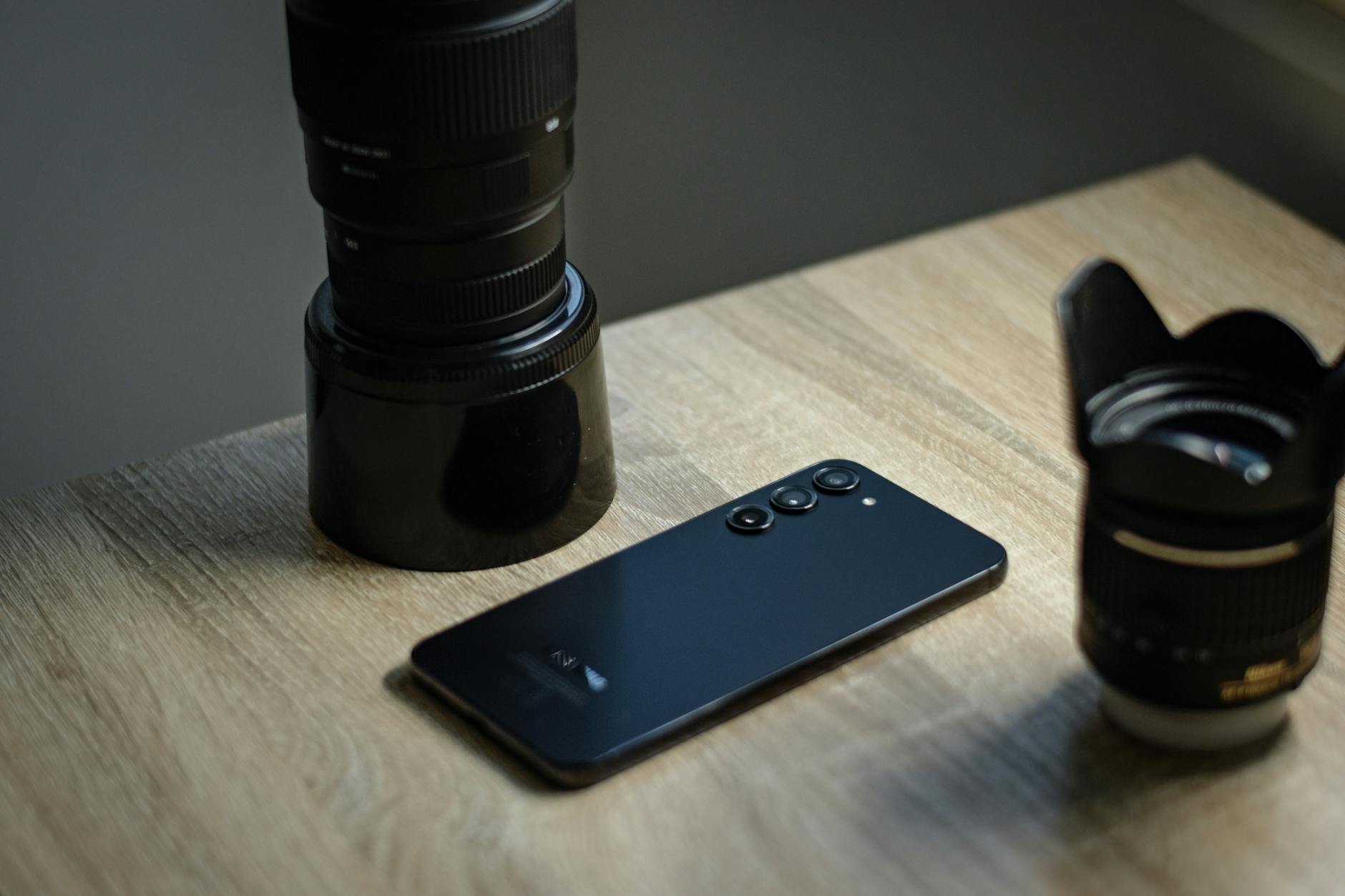
Visual Intelligence Takes Center Stage
The Visual Intelligence system will transform the Camera app from a straightforward capture tool into an interactive information hub. Users will be able to point their camera at objects, text, or scenes to receive real-time information and contextual data without switching between applications.
This integration eliminates the current workflow where users must take a photo first, then open additional apps or services to analyze the content. The new system processes visual information in real-time, providing immediate feedback and suggestions based on what the camera sees.
Apple’s approach differs from standalone AI camera features by embedding intelligence directly into the native camera experience. The system will likely recognize text for translation, identify plants and animals, provide shopping information for products, and offer location details for landmarks and businesses.
Customization Options Expand
The customization features will address long-standing user requests for more control over the Camera app’s interface and functionality. Users have consistently requested the ability to rearrange camera modes, adjust quick-access controls, and personalize the shooting experience.
These changes suggest Apple is responding to competition from third-party camera applications that offer extensive customization options and advanced features that appeal to photography enthusiasts.
Technical Implementation Challenges
Integrating Visual Intelligence into the Camera app requires significant processing power and optimization to maintain the smooth, responsive experience users expect from Apple’s native applications. The feature must operate efficiently without draining battery life or causing performance issues during regular photography tasks.
Real-time visual analysis demands sophisticated machine learning models that can run locally on the device while maintaining privacy standards. Apple’s approach typically favors on-device processing over cloud-based solutions, which adds complexity to the implementation but ensures user data remains secure.
The system must also handle various lighting conditions, camera angles, and object types while providing accurate information quickly enough to be useful in practical situations. This requires extensive testing across diverse real-world scenarios and continuous refinement of the underlying algorithms.
iOS 27’s release timeline remains unconfirmed, but the integration of Visual Intelligence into such a fundamental app indicates Apple’s commitment to making AI features accessible through existing user workflows rather than creating separate applications. The success of this integration could influence how other native iOS apps incorporate intelligent features in future updates.