



A Wireless Audio Warning Worth Taking Seriously
Most people buying AirPods are thinking about sound quality, battery life, and fit – not cardiac safety. But for anyone living with a cardiac implantable device, the magnets inside modern wireless earbuds are a factor that cannot be ignored.
What the Interference Risk Actually Is
Cardiac implantable devices, commonly called CIDs, include pacemakers and implantable cardioverter-defibrillators. These devices regulate heart rhythm through precisely timed electrical signals. They are also designed to respond to magnetic fields – a feature intended for clinical use during medical procedures, but one that can be triggered unintentionally by consumer electronics that emit strong enough magnetic fields.
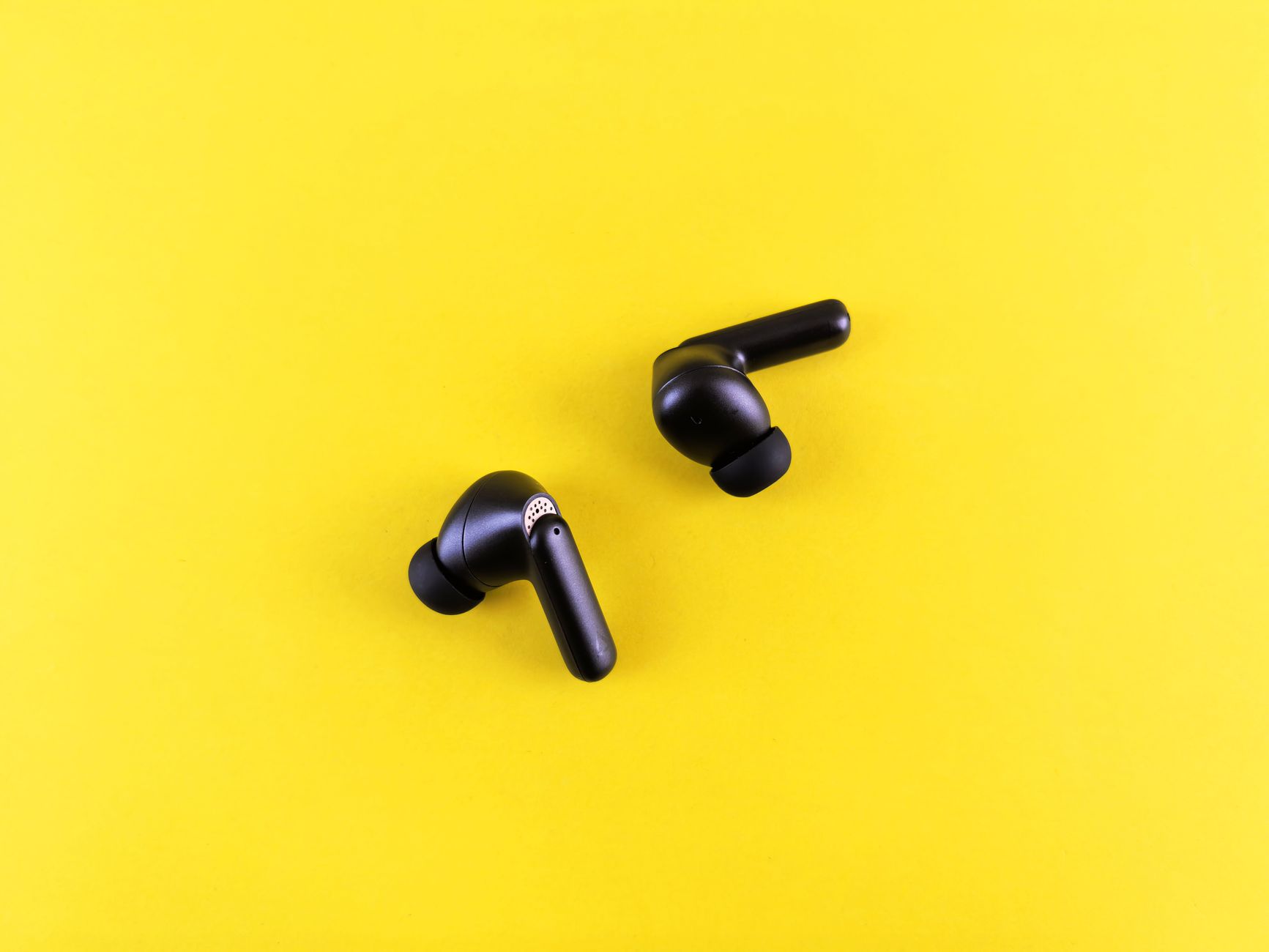
AirPods, like most modern wireless earbuds, contain magnets. These magnets serve functional purposes: they help the earbuds snap into their charging case, contribute to speaker mechanics, and in some models support sensors that detect when the earbuds are in your ears. None of that is unusual. The concern is not the technology itself but the proximity at which earbuds are typically used.
When a CID detects a magnetic field above a certain threshold, it can switch into a preset mode – sometimes called magnet mode – that overrides its normal programmed behavior. For a pacemaker, this might mean the device begins pacing at a fixed, default rate rather than responding dynamically to the wearer’s activity. For an ICD, magnetic interference can temporarily suspend the device’s ability to deliver a potentially life-saving shock if a dangerous arrhythmia occurs. Neither outcome is trivial.
The core issue is distance. Magnetic field strength drops sharply as distance increases, which is why the guidance from cardiologists centers on maintaining a safe gap between the earbuds and the implanted device. Wearing AirPods in your ears while your pacemaker sits in your chest puts those two objects at a relatively short distance from each other – close enough, in some configurations, to register as a concern.

Why This Matters More Now Than It Did Five Years Ago
Consumer electronics have grown more magnet-dense over the past several years. MagSafe charging on iPhones, magnetic watch bands, smart rings, and earbuds with magnetic case closures all contribute to an environment where people with CIDs are surrounded by more potential interference sources than they were a decade ago. AirPods sit at the center of this shift because of how widely they are used and how close to the chest they can end up – in a shirt pocket, draped around the neck on a cord, or simply being worn while someone leans forward over a desk.
The specific risk is not that AirPods will catastrophically disable a pacemaker in all situations. It is that the conditions under which interference could occur are everyday ones. Someone might fall asleep wearing their earbuds. A person might habitually store their AirPods case in a breast pocket on the same side as their implanted device. These are not edge cases requiring unusual behavior – they are normal habits that need to be reconsidered for a specific subset of users.
Cardiologists who advise patients on device safety generally recommend keeping consumer electronics with magnets at least 6 inches – roughly 15 centimeters – away from an implanted cardiac device. That guideline predates AirPods and applies broadly, but wireless earbuds have made it newly relevant for many patients who otherwise live digitally active lives. The recommendation is not to avoid earbuds entirely but to be deliberate about how and where they are stored and used.
It is also worth noting that different AirPod models carry different magnet configurations. The AirPods Pro, which includes active noise cancellation hardware and a more complex sensor array, involves additional magnets compared to the standard AirPods. The exact field strength emitted by any given pair of earbuds is not typically disclosed in consumer-facing product documentation, which makes it harder for patients to make fully informed decisions without guidance from a physician who has reviewed the specifics.
For people with newer-generation CIDs, the situation may be somewhat less fraught. Device manufacturers have worked to reduce the magnetic sensitivity of recent models, and some implantable devices now include features specifically designed to filter out brief or incidental magnetic exposure. However, not everyone with a cardiac implant has a recent device – CIDs are built to last a decade or more, which means many patients are still using hardware that was implanted years before these refinements became standard. The installed base of older, more magnetically sensitive devices is substantial, and those patients face the original version of this problem without the benefit of updated hardware.

What Patients Should Actually Do
The practical guidance is specific: keep AirPods and their charging case away from the side of your chest where your CID is implanted, avoid storing earbuds in a breast pocket, and do not fall asleep wearing them if you have an implanted cardiac device. These are not hypothetical precautions – cardiologists are actively raising the topic in consultations as wireless earbuds have become near-universal accessories.
Anyone with a CID who uses wireless earbuds regularly and has not discussed it with their cardiologist has an open question worth raising at their next appointment. The answer will depend on the specific device model, its implant location, and the earbuds in question – and for a small but real group of patients, the answer may be that their current listening habits need to change. What makes that conversation uncomfortable is that it is not about a niche or obscure product. AirPods are the best-selling wireless earbuds in the world, and cardiologists are now in the position of advising patients about a device that most people treat as completely harmless.