



An Unlikely Mascot for a Movement
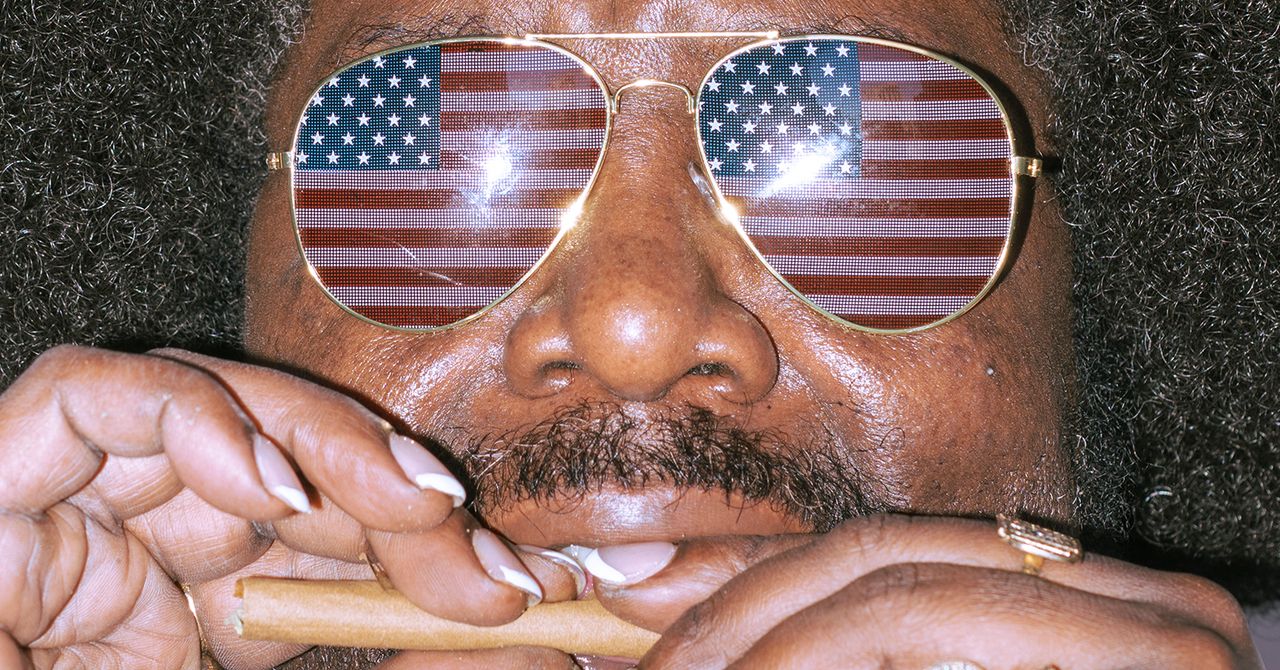
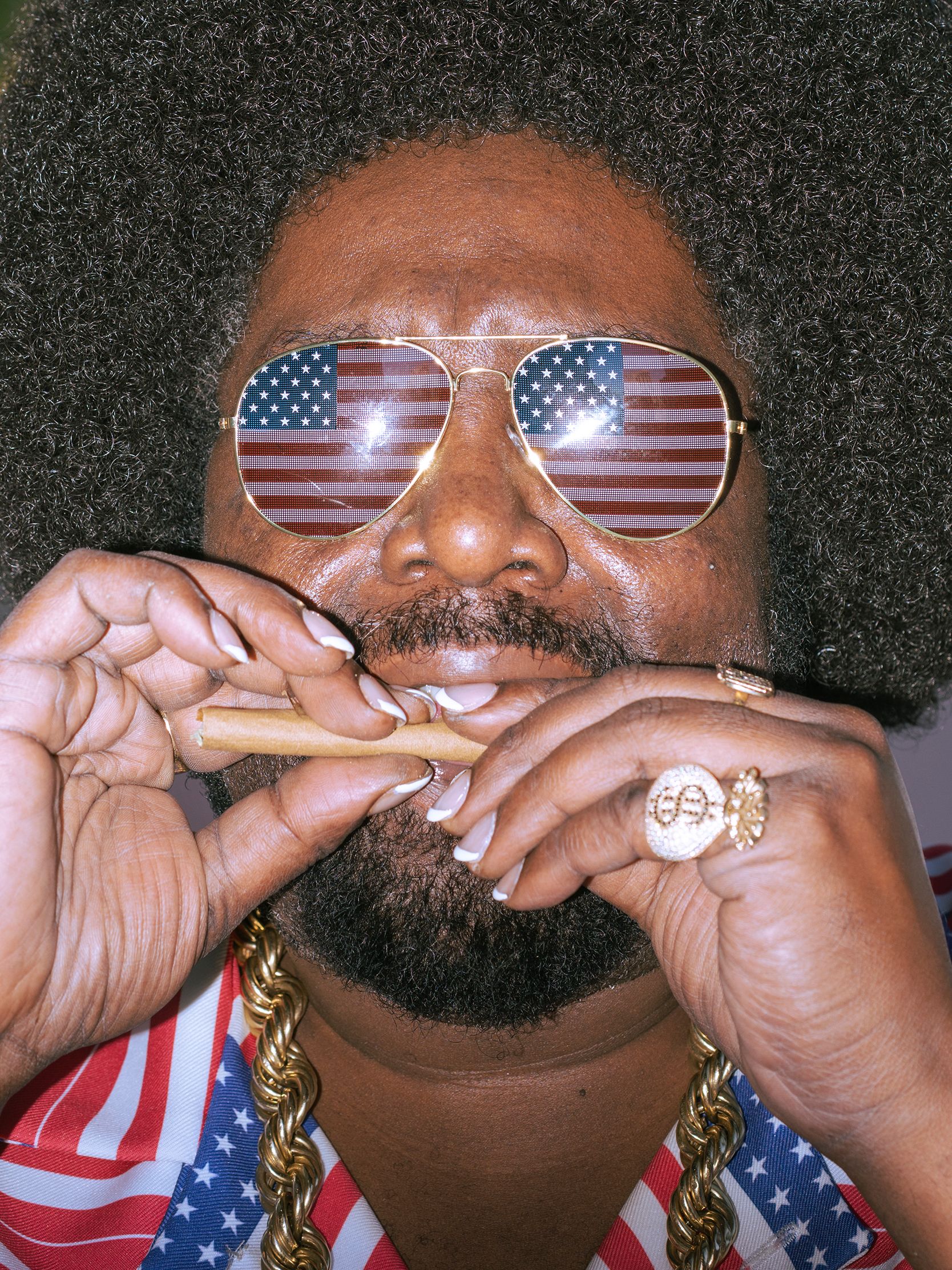
Joseph Foreman – better known as Afroman, the rapper behind the 2001 hit “Because I Got High” – spent years as a punchline. Then he became a plaintiff, and everything shifted. Earlier this year, he went viral after winning a legal case against the police officers who had raided his home. The internet responded the way it does: with memes, with noise, and apparently, with Bitcoin conference invitations.
Now Afroman is crypto’s newest free-speech symbol, standing at the intersection of law enforcement criticism, personal liberty, and a financial movement that has always been hungry for exactly this kind of story. The only complication is that Afroman himself is not entirely clear on how Bitcoin works.
From “Because I Got High” to the Blockchain Stage
The lawsuit that made Afroman a trending topic involved police officers who raided his home. Rather than staying quiet about it, he turned the footage and the experience into content – music videos, merchandise, and a public campaign that framed the whole episode as a civil liberties fight. The officers involved actually sued him back over use of their likenesses, but the case went in Afroman’s favor. That outcome, and the way he handled it publicly, caught the attention of communities already primed to celebrate anyone willing to take on institutional authority.
The Bitcoin and broader crypto world has a specific appetite for this type of figure. The movement has long positioned itself as a corrective to centralized financial power, government overreach, and surveillance capitalism. Finding a rapper who beat the cops in court and made art about it – that’s a narrative that writes itself, regardless of whether the person at its center has studied the white paper.
What Afroman brings isn’t technical fluency. It’s something the crypto world arguably values more in its public-facing moments: an authentic grievance with authority, documented and adjudicated. His story doesn’t need to be translated into blockchain metaphors to land. The audience already connects the dots.
The Gap Between Symbol and Substance
There’s a specific irony at work here. Bitcoin conferences spend considerable time attracting developers, economists, and ideological architects of decentralized finance. Then they also book Afroman, who by his own admission isn’t quite sure how the digital currency functions. This isn’t unusual – celebrity adjacency has always been part of how fringe financial movements migrate toward mainstream visibility – but it does reveal something about what these events are actually selling.
The free-speech framing that crypto increasingly wraps itself in requires faces. It requires stories of people who ran into the state and survived, or better yet, won. Afroman fills that role with a specific credibility that a venture capitalist or a protocol engineer simply cannot. His win against the police happened in public, on the record, and produced content that millions of people watched. That’s a different kind of asset than liquidity or market cap.
What His Presence Actually Signals
The crypto industry’s embrace of Afroman says less about him and more about the current state of Bitcoin’s cultural strategy. After years of trying to win over institutional finance – and achieving real gains on that front, with ETF approvals and bank partnerships becoming increasingly common – there’s a parallel effort to hold onto the countercultural identity that made the movement feel meaningful to early adopters.
That tension doesn’t resolve easily. A financial instrument traded by hedge funds and a symbol of resistance to state power are not incompatible, but they require constant narrative management. Booking someone like Afroman – someone whose Bitcoin knowledge is admittedly incomplete – at a conference signals that the emotional story still matters, maybe more than technical literacy, when it comes to recruiting the next wave of believers.
Afroman’s viral moment earlier this year wasn’t generated by anything he built or invented. It came from a confrontation he didn’t seek, a legal process he navigated, and a creative decision to document all of it publicly. The crypto community didn’t make that story – it just recognized that the story already fit. That’s a meaningful distinction. Movements don’t manufacture their symbols so much as they absorb them when the timing is right.
And yet Afroman himself occupies a strange position: celebrated by a community whose core technology he doesn’t fully understand, for a legal victory that had nothing to do with digital assets, at conferences where the technical and ideological stakes are supposedly very high. Whether that gap ever closes – whether he becomes a genuine participant in the ecosystem or remains a well-timed cameo – is the kind of question nobody at the conference seems particularly concerned with asking.

He won his case. The crowd cheered. Somewhere in that room, someone was almost certainly explaining to someone else what a private key is, while Afroman stood at the front, holding the microphone, not entirely sure either.